Ukraine Leader’s Threat Sparks Hungary Outrage
Hungary's Foreign Minister Péter Szijjártó has accused Ukrainian President Volodymyr Zelensky of threatening Prime Minister Viktor Orbán. Szijjártó called the alleged threat "scandalous" and unacceptable, linking it to claims of foreign interference in Hungary's elections. This incident further strains relations between the two nations amidst the ongoing conflict in Ukraine.

Ukraine Leader’s Threat Sparks Hungary Outrage
Hungary’s government is reacting strongly to reports that Ukrainian President Volodymyr Zelensky threatened to send soldiers to the residence of Hungarian Prime Minister Viktor Orbán. Hungarian Foreign Minister Péter Szijjártó revealed this alleged threat on social media, calling it “scandalous” and “unacceptable.” He stated that a foreign head of state should never threaten the leader of an allied nation.
The alleged incident occurred shortly before Hungary’s recent elections. Szijjártó claimed he was unaware of Zelensky’s reported statement until Prime Minister Orbán informed him.
The minister expressed disbelief upon first hearing the news but confirmed its truth after looking into it. This development has intensified already strained relations between Hungary and Ukraine.
Hungary Cites Foreign Interference Claims
Szijjártó used the alleged threat to highlight what he sees as double standards regarding foreign influence in Hungary’s affairs. He contrasted Zelensky’s supposed actions with statements from U.S. Vice President Kamala Harris, who reportedly praised Orbán’s efforts towards peace. Szijjártó described Harris’s comments as foreign influence, questioning why they are not viewed as such.
The Hungarian minister also criticized actions by the European Union and Ukraine that he believes unfairly pressure Hungary. He pointed to the EU’s threats to withhold billions of dollars from Hungary, which he linked to Hungary’s border protection policies. Szijjártó argued that this is a form of foreign influence, despite not being labeled as such.
Szijjártó alleged that Ukraine’s actions, such as shutting down oil pipelines, have caused suffering among the Hungarian people. He suggested these pipeline disruptions were intended to influence Hungary’s election outcomes. According to Szijjártó, these actions by Ukraine are also not considered foreign influence, a position he finds illogical and unacceptable.
Strategic Implications
The accusations of threats and foreign interference strike at the heart of Hungary’s relationship with both Ukraine and the European Union. Hungary has often taken a different stance than many EU members regarding Russia’s invasion of Ukraine, advocating for peace talks and maintaining some economic ties with Moscow. This latest controversy could further isolate Hungary within the EU or, conversely, solidify its position as a dissenting voice.
For Ukraine, facing a protracted war, alienating potential allies or even neutral European nations is strategically disadvantageous. Accusations of threatening a neighboring leader, especially one from an EU member state, could undermine international support and complicate diplomatic efforts. The reported comments, if true, suggest a level of frustration or desperation from Kyiv, potentially aimed at pressuring Hungary to adopt a more pro-Ukraine stance.
The context of elections is crucial here. Hungary held parliamentary elections in April 2022, where Orbán’s Fidesz party secured a fourth consecutive term.
Szijjártó’s statements imply that Zelensky’s alleged threat and Ukraine’s pipeline actions were attempts to influence this vote. Such claims resonate with Orbán’s narrative of defending Hungarian sovereignty against external pressures, including from Brussels and other international actors.
Historical Parallels and Geopolitical Context
The idea of one nation attempting to influence another’s internal politics or leadership is not new. Throughout history, major powers and even smaller states have employed various tactics, from propaganda to covert operations, to sway foreign governments and populations. In the post-Cold War era, concerns about foreign interference in elections have grown, particularly with the rise of digital communication and disinformation campaigns.
Hungary’s position on energy, particularly its reliance on Russian oil and gas, is a significant factor. The Druzhba pipeline, which carries Russian oil to Hungary and other Eastern European countries, is a vital artery for its energy supply.
Ukraine’s control over transit routes, including pipelines, gives it leverage. However, using this leverage in a way that directly impacts the civilian population of a neighboring country, especially during an election period, carries significant diplomatic risks.
The broader geopolitical backdrop involves the ongoing conflict in Ukraine, which has reshaped European security and alliances. Hungary’s government has consistently called for an immediate ceasefire and peace negotiations, often diverging from the more confrontational stance taken by many Western allies. This independent approach has led to friction with both Kyiv and Brussels, making incidents like the one reported by Szijjártó particularly explosive.
What This Means on the Ground
For the average Hungarian citizen, the accusations raise concerns about their country’s foreign policy and its relationship with neighbors. The mention of suffering due to pipeline shutdowns directly impacts daily life and economic concerns, fueling a sense of grievance against external actors. It reinforces the government’s narrative that Hungary is under pressure from international forces that do not have its best interests at heart.
For Ukraine, the alleged threat, if publicized and believed, could harm its image as a victim fighting for survival and democracy. It risks alienating a country that, despite its reservations, is still an EU member and a neighbor. The focus shifts from Ukraine’s struggle against invasion to accusations of aggressive or undiplomatic behavior towards an allied nation.
The controversy highlights the complex web of interests and tensions in Central Europe. It underscores how regional disputes can become entangled with larger geopolitical conflicts, making diplomatic solutions more challenging. The situation demands careful verification of the claims and measured responses from all parties involved to prevent further escalation.
The Hungarian Foreign Ministry has stated that the alleged threat was made by Zelensky directly to Orbán during a phone call. The exact timing of this call and the specific wording used remain key points of contention. Further details are expected to emerge as diplomatic channels are engaged.
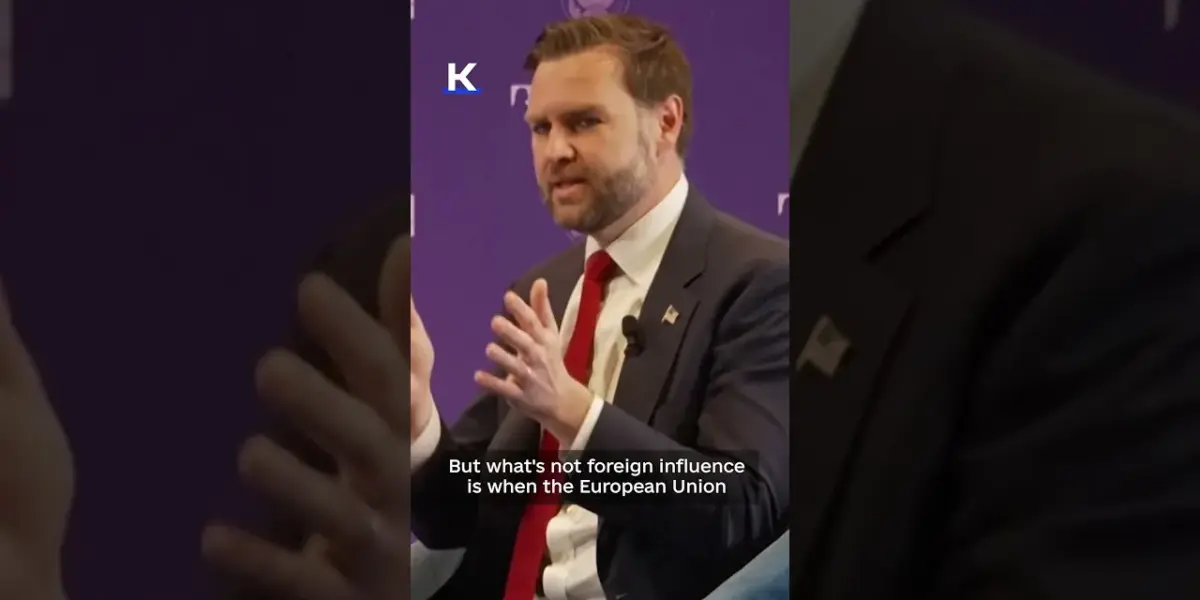
Source: Vance claims Zelensky threatened Hungary’s leadership (YouTube)

Related Articles
Senate to Vote on War Powers Resolution Amid Trump Concerns
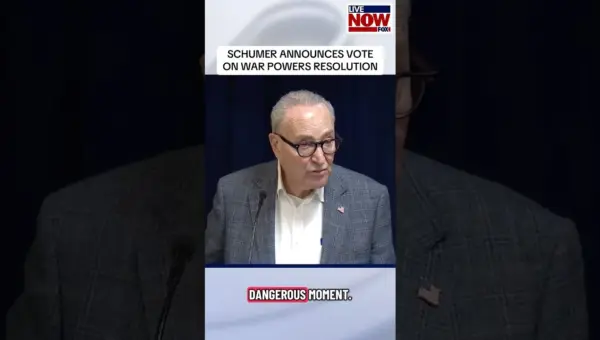
Senate Majority Leader Chuck Schumer announced the Senate will vote next week on a War Powers Resolution. The move aims to reassert Congress's authority over decisions to engage in military conflict, citing concerns about President Trump's handling of foreign policy. Schumer stated that no president should have unchecked power to take the country to war alone.
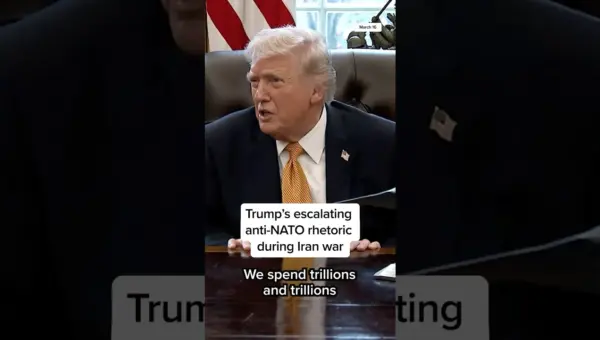
Trump Ramps Up NATO Criticism Amidst Iran Tensions
Former President Donald Trump has intensified his criticism of NATO, questioning its financial contributions and effectiveness amid rising global tensions. His rhetoric, particularly in the context of the war with Iran, highlights concerns over burden-sharing within the alliance. The upcoming meeting with NATO Secretary General Mark Rutte is seen as a crucial moment for discussing these issues.

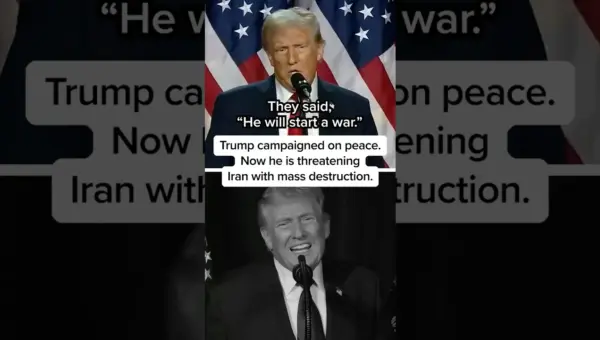
Trump’s Iran Threat Sparks Concern Over Campaign Promises
Donald Trump, who campaigned on a platform of avoiding new wars, is now reportedly issuing threats against Iran. This shift from his election rhetoric to aggressive language raises concerns about his foreign policy direction. Experts are watching closely for potential impacts on regional and global stability.