Podcasts Champion Open Standards Over Closed Platforms
Podcasts stand out in the digital world thanks to their foundation on an open standard called RSS. This allows listeners choice in apps and creators freedom to move their shows. Unlike proprietary video and social media platforms, podcasts avoid surveillance-based advertising.

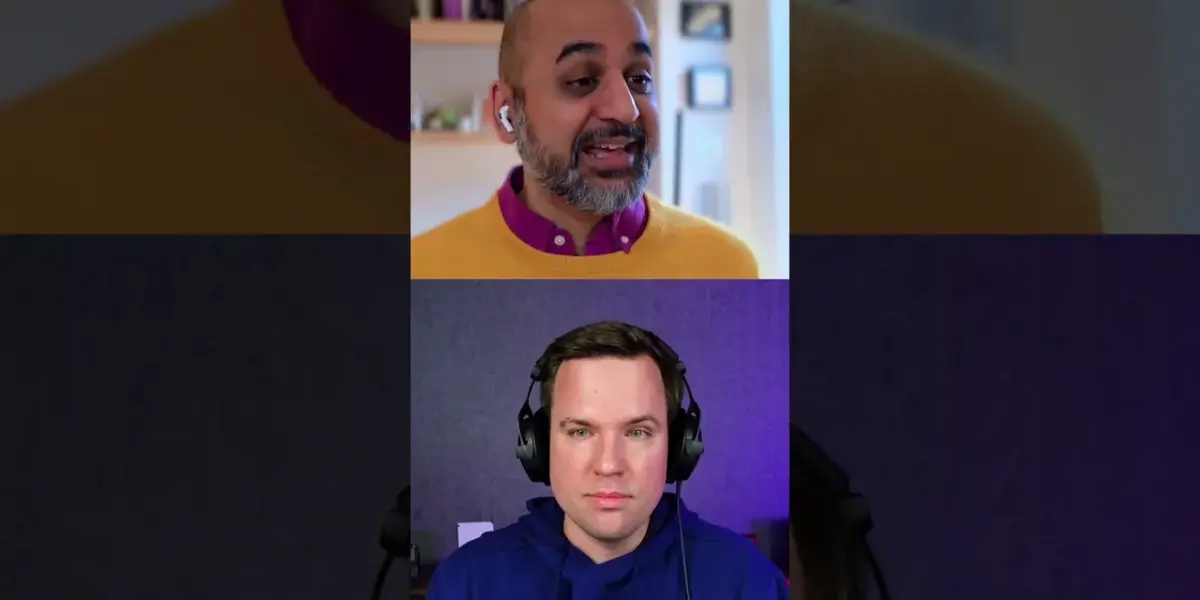
Podcasts Champion Open Standards Over Closed Platforms
Podcasts offer a unique freedom in the digital world: choice. Unlike most online content, your favorite podcasts aren’t tied to a single app or platform. This freedom stems from their foundation on an open standard, a concept that sets them apart from the proprietary systems dominating video and social media.
This open standard, RSS, has been the backbone of podcasting for over two decades. It was a deliberate choice that created a fundamentally different user experience. It means you can listen to any podcast on virtually any app you prefer, a level of flexibility rarely seen elsewhere online.
The Power of Openness
The open nature of podcasting also explains why you don’t see the same kind of surveillance-based advertising that plagues other platforms. Because podcasts aren’t tied to specific services, there’s no built-in tracking code to gather user data for targeted ads.
Instead, you’ll often hear hosts read out sponsor codes or mention specific products they’re promoting. This direct approach works because the podcast’s content isn’t being analyzed by a platform to serve ads. It’s a more transparent model that respects listener privacy.
Freedom to Move
Perhaps the most significant advantage of this open standard is portability. If a podcast creator is unhappy with their current hosting platform or distribution deal, they can easily move their entire show elsewhere. They can take their RSS feed and their audio files and re-launch on a different service without losing their audience.
Imagine if YouTube creators could simply pick up their videos and move them to a different video-sharing site. This kind of freedom is what podcasting has had from its inception, shaping a more decentralized and user-centric media landscape. This ability to switch platforms is a powerful tool for creators and a benefit for listeners.
Specs & Key Features
- Core Technology: RSS (Really Simple Syndication) – an open, non-proprietary standard.
- Content Portability: Creators can move their podcast feed and files to different hosting platforms.
- Advertising Model: Primarily direct sponsorships and host-read ads, not data-driven or surveillance-based.
- Accessibility: Podcasts can be accessed through a wide variety of podcast listening apps and services.
Who Should Care?
Listeners who value choice and privacy should care deeply about podcasting’s open standard. It means you’re not locked into a specific app dictated by a tech giant. You can use Apple Podcasts, Spotify, Google Podcasts, or any other player that supports RSS feeds.
Creators, especially those just starting out or looking for more control, benefit immensely. The ability to switch hosts without losing your archive or audience is crucial. It provides negotiation power and prevents creators from being beholden to a single company’s terms.
Comparison to Other Media
Video platforms like YouTube and TikTok operate on closed systems. When you upload a video, it lives within their walled garden.
You cannot easily download your content and upload it to a competing service. This makes creators dependent on the platform’s rules and algorithms.
Social media platforms are even more restrictive. Content shared on sites like Instagram or X (formerly Twitter) is largely confined to those specific apps. Taking that content elsewhere is often impossible or impractical, limiting user freedom and creator autonomy.
Availability and Future
Podcasts, by their very nature, are universally available wherever RSS is supported. There are no specific release dates or pricing as the technology is open and has been around for years. New podcast listening apps continue to emerge, all leveraging this open standard.
The ongoing success of podcasts demonstrates the power of open standards in fostering innovation and user choice. This model stands in stark contrast to the increasingly closed-off nature of other digital media services.
Source: Podcasting's secret superpower #vergecast (YouTube)

Related Articles


Trump’s White House App: A Direct Line or Digital Echo Chamber?
The White House has launched a new app to provide direct news from the Trump administration. Touted as a "direct line," the app allows users to watch events, read orders, and track promises. It also offers a channel for user feedback, aiming to enhance government-citizen communication.


Mamdani’s ‘Track Star’ Captivates Celebs, Rivals MTV
A new digital show, 'Track Star,' is rapidly gaining fame, attracting stars like LeBron James and politicians like Kamala Harris. Hosted by Jack Coyne and backed by Gus Wenner, the show's success is drawing comparisons to MTV's early impact. Its ability to blend entertainment and current events signals a shift in digital media influence.

From Minecraft to Millions: A Media Empire’s Rise
From a 9-year-old Minecraft enthusiast to a leading political commentator with 2 million YouTube subscribers, Adam Mockler's journey showcases the power of early passion and consistent effort. He has built a media company by blending content creation with a clear vision for influencing public discourse.