Crises Centralize Wealth, Power: History Shows Pattern
Historical analysis reveals a recurring pattern where major crises lead to increased centralization of wealth and power. Events like the 2008 financial crisis and the 2020 pandemic have seen policy responses that consolidate influence. Investors should consider these structural shifts when evaluating market trends.


Crises Consolidate Wealth and Power, Historical Trends Show
History offers a consistent lesson: major crises often lead to a greater concentration of wealth and power. This pattern has repeated itself across different eras and events, suggesting a systemic response to instability.
The 2008 financial crisis is a prime example. As the global financial system teetered on the brink of collapse, the Federal Reserve quickly introduced quantitative easing. This policy involved the central bank buying trillions of dollars in assets, effectively supporting the financial institutions that were central to the crisis.
2020 Pandemic Fuels ‘Great Reset’ Discussions
More recently, the 2020 global pandemic brought the world to a standstill. Lockdowns and restrictions became the norm, and governments worldwide began discussing a concept known as the “Great Reset.” This idea was notably articulated by Klaus Schwab, founder of the World Economic Forum.
Schwab suggested that the pandemic presented a unique and limited chance to rethink and restructure global systems. The crisis, whether perceived as existential or managed, became a catalyst for conversations about increased global economic and governmental coordination.
Opportunity for Centralization Amidst Chaos
The core observation is that during times of crisis, whether they are genuine emergencies or perceived threats, those with close ties to power structures often find opportunities. They can then use these moments to implement changes that enhance centralized control.
This trend suggests that periods of significant disruption are not just challenges but also moments where the existing system is upgraded. These upgrades frequently benefit those already holding substantial wealth and influence, leading to further consolidation.
Market Impact
Investors often observe that during economic turmoil, certain sectors or asset classes may benefit from government intervention or policy shifts. Central banks’ actions, like quantitative easing, can inject liquidity into financial markets. This can support asset prices, even as the broader economy struggles.
The discussions around a “Great Reset” imply potential long-term shifts in economic policy. These could include greater regulation, changes in currency management, or increased international economic cooperation. Such developments could alter the investment landscape for years to come.
What Investors Should Know
Understanding this historical pattern is crucial for investors. It highlights that responses to crises are often designed to stabilize the system, but can also reinforce existing power dynamics. This means looking beyond immediate market reactions to consider the structural changes that crises can precipitate.
For example, when a central bank buys assets, it’s like injecting money directly into the financial system to encourage lending and investment. This can make stocks and bonds more attractive in the short term. However, it can also lead to inflation or asset bubbles over time.
The concept of a “Great Reset” suggests a potential move towards more managed economies. Investors should consider how increased governmental influence might affect different industries. Sectors that align with centralized planning or require significant oversight could see different outcomes compared to more free-market-oriented industries.
The long-term implications involve evaluating how these shifts might impact global trade, technological development, and the distribution of economic resources. The trend of centralization, driven by crisis response, suggests a continued focus on policies that manage and direct economic activity from the top down.
The World Economic Forum’s annual meeting in Davos, Switzerland, typically brings together global leaders to discuss such issues. Their agendas often reflect the prevailing themes of economic governance and international cooperation, especially following major global events.
Source: This Is How The System Resets (YouTube)

Related Articles

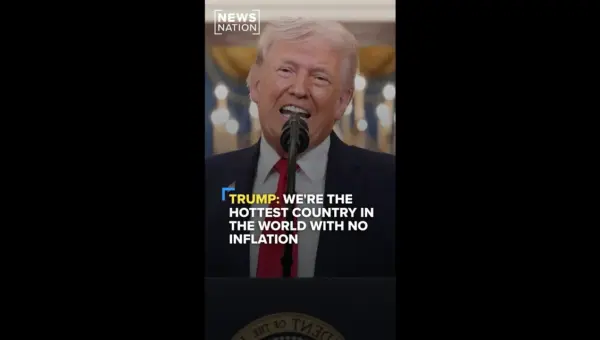
Claim: US Economy Is ‘Hottest’ With ‘No Inflation’
Donald Trump recently declared the U.S. economy the "hottest in the world" with "no inflation." He cited record investments and stock market highs as proof of his administration's success. This analysis examines his claims against economic data and historical context.

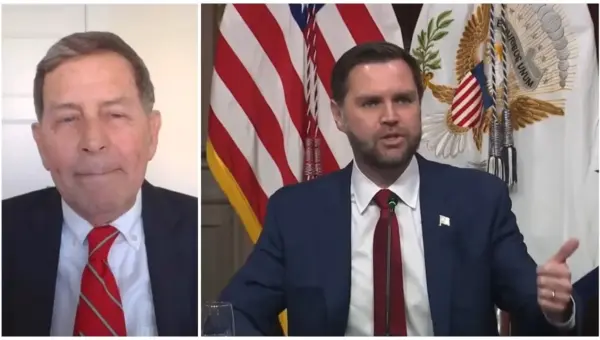
Taxpayer Billions Vanish: Is Fraud Undermining America’s Future?
A new White House task force is targeting decades of government fraud costing billions. Economist Michael Busler warns this waste erodes public trust and harms America's future. He stresses the need for verification and accountability to ensure tax dollars help citizens, not fraudsters.


Bitcoin Surges Towards $150K on Fed Hopes
Bitcoin is showing strong upward momentum, with some analysts predicting a potential surge to $150,000 by the end of 2026. This optimistic outlook is tied to expectations of the U.S. Federal Reserve stepping in with quantitative easing (QE), which could increase the money supply and drive investors toward digital assets like Bitcoin.