Fragile Ceasefire: Iran Strikes Spark Global Alarm
A fragile ceasefire between Iran and the U.S. is under threat as Iran continues strikes and disputes erupt over the Strait of Hormuz. Key talks are scheduled in Pakistan this weekend to address major sticking points and prevent further escalation.

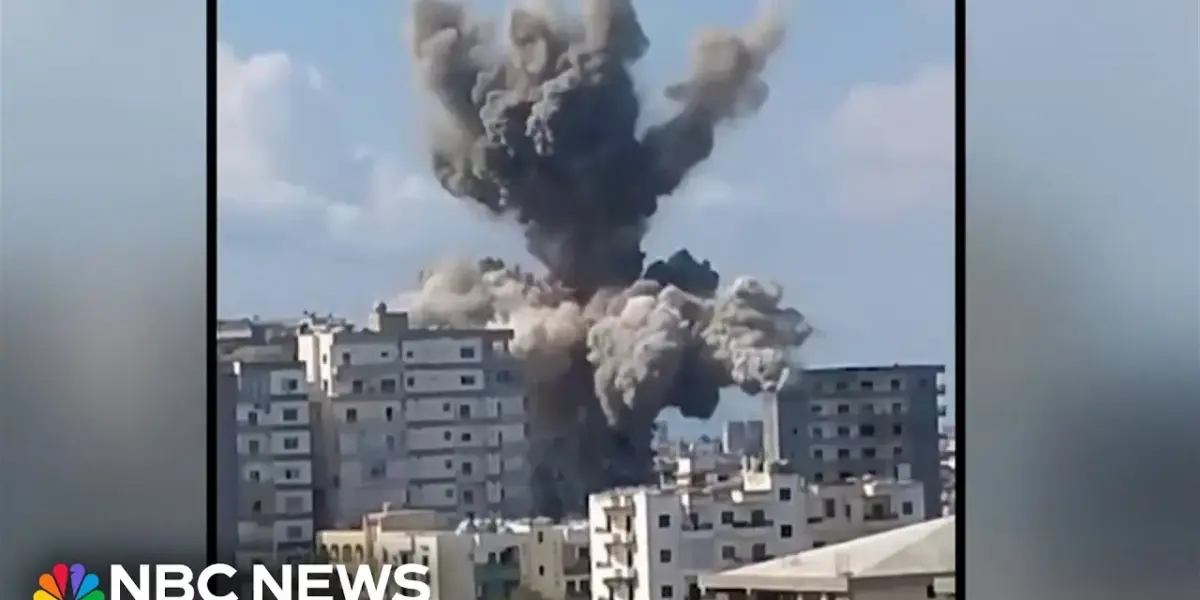
Ceasefire Under Strain Amidst Continued Strikes
A fragile ceasefire between Iran and the United States is facing serious challenges just days after being put in place. Confusion and conflicting reports are swirling about the exact terms of the agreement, leading to heightened tensions.
Israel launched its largest attacks to date against Hezbollah in Lebanon, resulting in significant casualties. Reports indicate 254 people were killed and over 1,100 wounded.
While Israel and the U.S. state that the ceasefire does not include Lebanon, Iran has publicly announced it shut down the Strait of Hormuz in retaliation. This action has been met with strong disapproval from the U.S. “That’s unacceptable,” stated a U.S. official. “This is a case of what they’re saying publicly is different privately.”
Strait of Hormuz Dispute Fuels Uncertainty
The situation in the Strait of Hormuz, a vital waterway for global oil transport, remains a major point of contention. According to tracking data, three ships have passed through the strait since the ceasefire began. Currently, four oil tankers are in the area, but their movement appears stalled.
Iran has been charging ships passage fees, and it is unclear if the U.S. will permit these tolls to continue. “That’s not something we have said that we have accepted,” a U.S. representative clarified. The President has suggested a joint venture between the U.S. and Iran to collect these tolls, emphasizing a desire for the strait to reopen without limitations.
U.S. Claims Victory, Allies Express Concern
The U.S. administration is highlighting its successes in recent operations, including eliminating Iranian leadership, disabling its navy, and hindering its nuclear program. “Operation Epic Fury was a historic and overwhelming victory on the battlefield. A capital military victory,” declared a U.S. spokesperson.
However, concerns are growing among America’s Arab allies. Persian Gulf countries have reported missile and drone attacks occurring even after the ceasefire was announced.
Iran has targeted oil infrastructure in Saudi Arabia, and Bahrain has also experienced bombings during this period. These strikes are causing anger among U.S. partners in the region.
High-Stakes Talks Loom in Pakistan
Adding to the uncertainty, the White House has announced that a U.S. delegation will travel to Pakistan this weekend for direct talks with Iran. These critical negotiations aim to address the sticking points that threaten the ceasefire’s longevity.
Key issues remain unresolved, including who will ultimately control the Strait of Hormuz and whether Iran will comply with demands regarding its actions. The U.S. has made it clear that Iran’s involvement in Lebanon was never part of the ceasefire agreement. “If Iran wants to let this negotiation fall apart where they were getting hammered over Lebanon, which has nothing to do with them and which the United States never said was part of the ceasefire, that’s their choice,” a U.S. official stated.
Looking Ahead: Will Diplomacy Prevail?
The upcoming talks in Pakistan represent a crucial moment for de-escalating tensions and solidifying the ceasefire. The U.S. and Iran appear to be far apart on several key issues, making the negotiations challenging. Observers will be watching closely to see if a lasting peace can be achieved amidst these continued provocations and disagreements.
Source: Ceasefire between Iran and the U.S. fragile amid continued strikes (YouTube)

Related Articles

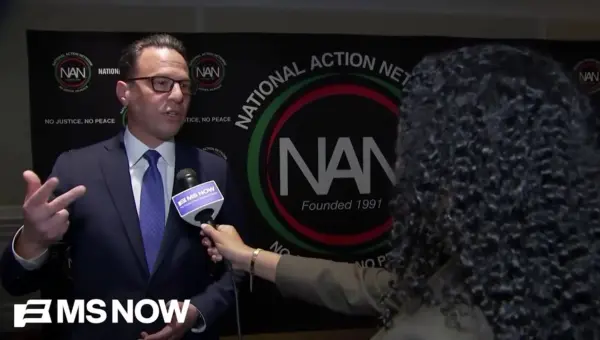
Shapiro Blames Trump for Global Havoc, Higher US Costs
Pennsylvania Governor Josh Shapiro criticized former President Donald Trump's foreign policy regarding Iran, labeling it a "war of choice" that has caused global disruption and increased costs for Americans. Shapiro emphasized his focus on the upcoming midterm elections, strategizing with Democrats to gain control of Congress.

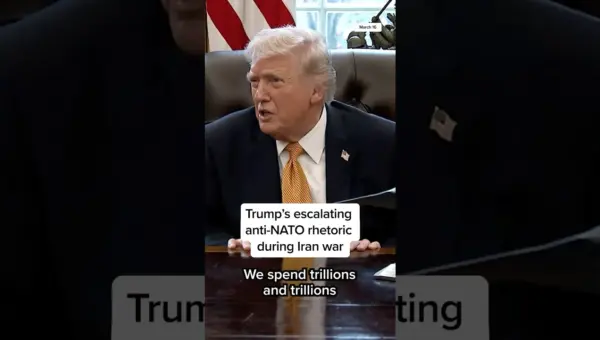
Trump Ramps Up NATO Criticism Amidst Iran Tensions
Former President Donald Trump has intensified his criticism of NATO, questioning its financial contributions and effectiveness amid rising global tensions. His rhetoric, particularly in the context of the war with Iran, highlights concerns over burden-sharing within the alliance. The upcoming meeting with NATO Secretary General Mark Rutte is seen as a crucial moment for discussing these issues.


Iran Claims Ceasefire Deal, US Denies Key Demands
Iran has announced a two-week ceasefire agreement, claiming the U.S. has accepted demands for troop withdrawal and Iranian control of the Strait of Hormuz. However, conflicting statements from U.S. officials cast doubt on these claims, creating significant uncertainty about the deal's true nature. The situation remains fluid, with global markets and regional stability hanging in the balance.