GOP Exploits Grandma’s Story for Political Gain
An older woman, dubbed the 'Door Dash grandma,' has been featured in multiple Republican political events, raising questions about her story being used as a prop. While her personal struggles are real, the political use of her narrative sparks debate on ethics and authenticity in campaigning.

GOP Exploits Grandma’s Story for Political Gain
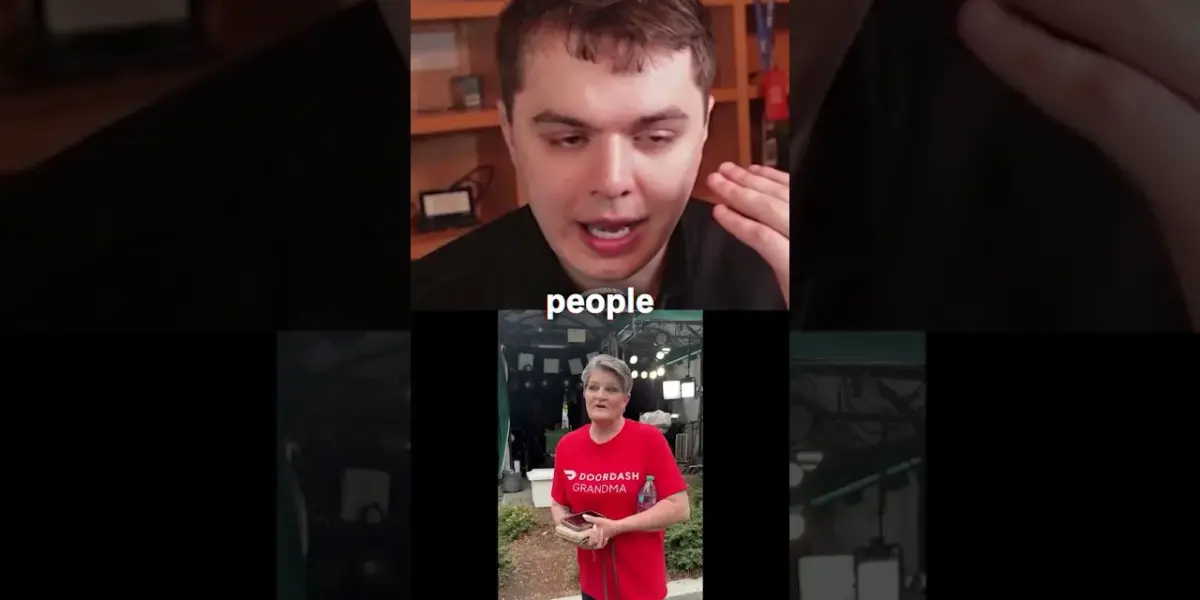
A recent political event has sparked discussion about how political parties use real people to promote their messages. The focus is on an older woman, often called the “Door Dash grandma,” who has appeared at several Republican events. Her personal story, which involves her husband’s cancer and her work as a delivery driver, has been highlighted by the party.
A Recurring Figure in Political Stunts
This woman’s situation is genuine: her husband is battling cancer, and she works hard to support him. She has expressed that tips make up a significant portion of her income. The idea of having tips not taxed and receiving help from delivery services like Door Dash would be very helpful for her situation.
However, reports suggest she has been featured in multiple Republican events over the past year or two. She has reportedly been flown around the country to participate in different political gatherings. This pattern raises questions about whether her story is being used for more than just sharing her personal experience.
Questioning the Political Narrative
Some observers point out that the numbers behind her claims might not fully support the political argument being made. The woman stated her yearly earnings were less than $22,000. Depending on her tax situation, this income level might mean she owes very little or no federal income tax because of standard tax deductions. This suggests the situation might not be as dire, tax-wise, as presented to make a political point.
The woman says she earned less than 22K last year, which means depending on her filing status, she owed no federal income tax due to the standard deduction or just a few hundred.
This discrepancy leads to the idea that while her personal story about her husband’s illness and her work is true, the political spin applied to it might be misleading. The argument being pushed is that the Trump administration may not have been entirely honest with her about her actual tax situation. It seems the focus is less on her exact financial needs and more on using her as an example for a political agenda.
The Ethics of Political Storytelling
The use of individuals’ personal struggles in political campaigns is not new. Parties often look for relatable stories to connect with voters and illustrate the impact of their proposed policies. This can be a powerful way to communicate complex issues. However, it also carries risks.
When a person’s story is used repeatedly in different contexts, it can appear as if they are being treated as a prop rather than an individual with a unique situation. This practice can draw criticism for exploiting someone’s vulnerability for political advantage. It raises ethical questions about consent and the potential for misrepresentation.
Why This Matters
This situation highlights a broader trend in politics: the strategic use of personal narratives. While sharing real stories can be effective, it’s important to consider how these stories are presented and whether they accurately reflect the situation. When individuals are repeatedly used in political messaging, it can blur the lines between genuine advocacy and political manipulation.
Voters need to be aware of how personal stories are being employed. Understanding the context and potential motives behind the use of such narratives helps in making informed decisions. It encourages a more critical look at political messaging, ensuring that real people’s experiences are respected and not just used as tools.
Historical Context and Future Outlook
Throughout history, political movements have used personal testimonials to gain support. From the abolitionist movement using formerly enslaved people’s stories to civil rights activists sharing their experiences, personal accounts have always been a vital part of political discourse. These stories often humanized abstract political goals.
However, the modern media landscape, especially with social media, allows for faster and wider dissemination of these narratives. This can amplify their impact but also increase the potential for misuse. The ease with which individuals can be featured in online content means political campaigns can quickly assemble a cast of characters to support their message.
Looking ahead, we can expect this practice to continue. As political divisions deepen, parties will likely continue to seek out compelling personal stories. The challenge for the public will be to discern between genuine representation and calculated political performance. It will require a more discerning eye from citizens to understand the full picture behind the stories they are told.
Source: Republicans Used Her as a Prop #politics #fyp #new (YouTube)

Related Articles


Trump’s Core Voters Flee: New Poll Shows Steep Decline
A recent poll reveals a significant drop in Donald Trump's support, especially among white, non-college-educated voters, his traditional base. This decline, from a strong positive to a negative rating, signals a potential shift in the Republican electorate. The numbers suggest widespread disapproval across all demographics and key issues like the economy.
Trump’s Tax Tip ‘Stunt’ Fuels Stock Surge, Lacks Real Impact
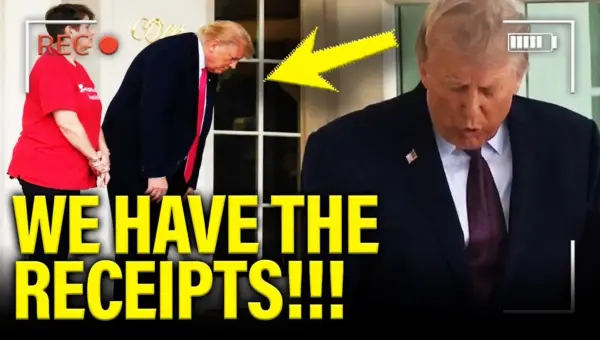
A recent White House event featuring a DoorDash driver and a 'no tax on tips' policy is under scrutiny. Critics argue the event was staged to boost DoorDash stock and promote a policy with minimal real benefit to the featured worker, highlighting concerns about political messaging and media portrayal.

Trump Exploits Cancer Patient for Political Gain
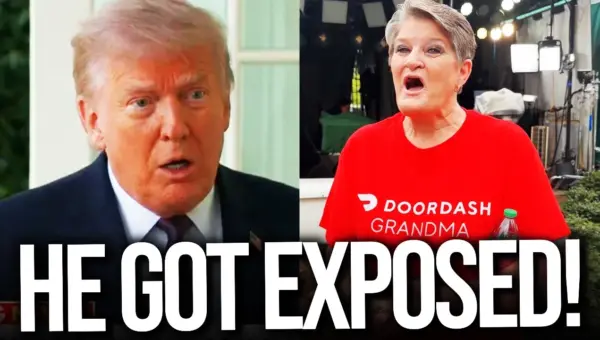
A DoorDash driver, whose husband has cancer, was used in a White House stunt to promote a 'no tax on tips' policy. Investigations reveal she's been repeatedly featured in Republican events, and the policy offers her minimal financial benefit, raising ethical concerns about political exploitation.