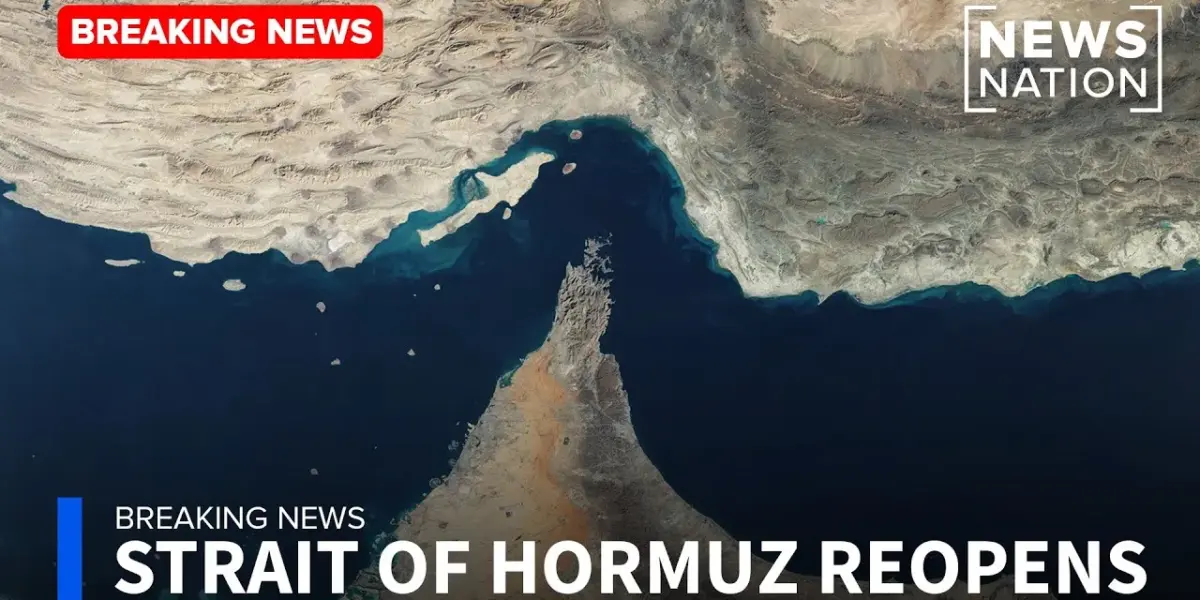
Strait of Hormuz Reopens, But Tensions Remain High
Iranian officials claim the Strait of Hormuz is now open for commercial vessels as part of a cease-fire in Lebanon. However, the U.S. maintains its naval blockade, turning away ships. This creates a tense standoff in a vital global shipping lane, with international partners pushing for reopening while the U.S. holds its position.

Strait of Hormuz Reopens, But Tensions Remain High
Iranian officials have announced that the Strait of Hormuz is now completely open for commercial vessels. This declaration comes as part of a broader cease-fire agreement in Lebanon.
The move is seen as a significant development, potentially easing global market gridlock that has persisted for weeks. However, the situation remains tense, with the U.S. maintaining a naval blockade and a significant military presence in the region.
According to Iran’s Foreign Minister, the passage through the Strait is open for the duration of the cease-fire. This means that ships choosing to use the Strait of Hormuz should not face threats from the Iranian side.
This announcement follows closely on the heels of a cease-fire taking effect in Lebanon. It suggests a step-by-step approach to de-escalation in the region.
U.S. Maintains Blockade Amidst Iranian Declaration
Despite Iran’s claims, U.S. Central Command reports no change to its naval blockade. U.S. forces have reportedly turned away 19 ships attempting to pass through the blocked area.
This ongoing blockade by the U.S. Navy highlights the complex and conflicting dynamics at play. It means that while Iran declares the Strait open, passage is still being restricted by American naval forces.
The U.S. military presence remains substantial, with over 10,000 service members, at least 12 warships, and 100 aircraft stationed in the area. This shows the commitment to maintaining control and observing the blockade.
Leaders from France and the UK, along with a dozen other countries, are pushing for plans to reopen the Strait. The United States will not be participating in these specific talks.
Geopolitical Chessboard: A Delicate Balance
The Strait of Hormuz is a vital waterway, crucial for global oil transport. Any disruption there can significantly impact international markets.
For weeks, the market has been in a state of gridlock due to the tensions surrounding the Strait. Iran’s announcement, linked to a cease-fire in Lebanon, suggests a strategic move to ease these pressures.
This situation is unfolding rapidly, with developments occurring almost hourly. The cease-fire in Lebanon is a 10-day agreement, and Israeli forces are expected to remain in southern Lebanon throughout this period. The hope is that this will lead to direct negotiations between Israeli and Lebanese government leaders in Washington D.C.
Soon. Such negotiations could be a historic moment for the region.
Uncertainty Looms Over the Region
While diplomatic efforts are underway, the mood on the ground in places like Tel Aviv is one of uncertainty. Residents are enjoying moments of quiet, aware that the situation can change instantly.
The possibility of the cease-fire breaking or negotiations between Iran and the U.S. failing creates a constant sense of unease. People are living for the moment, unsure of what tomorrow might bring.
The events of the past 24 hours have created a completely different global and regional context. The swiftness of these changes highlights the volatile nature of the Middle East.
The opening of the Strait of Hormuz, if fully realized, would be a major development. It could significantly alter the flow of goods and energy worldwide.
Why This Matters
The Strait of Hormuz is a critical chokepoint for global energy supplies. Approximately 30% of the world’s seaborne oil trade passes through it. Any closure or severe disruption directly impacts oil prices and the global economy.
Iran’s declaration, coupled with the ongoing U.S. blockade, creates a precarious situation. It highlights the delicate balance of power and the constant potential for escalation or de-escalation in the region.
Implications, Trends, and Future Outlook
The trend towards de-escalation, however fragile, is a positive sign. The involvement of international partners like France and the UK in seeking solutions indicates a broader desire for stability. However, the U.S.’s continued blockade and its absence from certain talks suggest that underlying tensions with Iran are far from resolved.
The future outlook depends heavily on the success of ongoing and future diplomatic negotiations. If direct talks between Iran and the U.S. materialize and yield positive results, it could lead to a more stable situation.
Conversely, any breakdown in these talks or a violation of the cease-fire could quickly reverse any progress made. The region remains a complex geopolitical puzzle.
Historical Context and Background
The Strait of Hormuz has long been a strategic flashpoint. Its narrow waters have seen numerous naval incidents and heightened tensions throughout history.
Both Iran and the United States have, at various times, demonstrated their willingness to exert influence and control in this vital waterway. Past incidents have often involved naval standoffs and threats to shipping.
The current situation is influenced by broader regional dynamics, including the conflict in Lebanon and the ongoing relationship between Iran and Western powers. The cease-fire in Lebanon itself is a product of intense diplomatic efforts, aiming to prevent further conflict and open avenues for dialogue. The opening of the Strait is presented as a component of this larger peace process.
The next crucial step will be the potential direct negotiations between Iran and the United States. While not yet announced, the possibility has been raised, suggesting a potential shift in diplomatic engagement. The world watches to see if this opening leads to sustained peace or a return to heightened tensions.
Source: Strait of Hormuz ‘completely open’: Iranian officials (YouTube)

Related Articles


Oil Prices Drop as Strait of Hormuz Reopens
The Strait of Hormuz has reopened for commercial vessels, leading to a significant drop in oil prices and easing fears of further interest rate hikes. This development follows progress in nuclear negotiations with Iran. The market is now more optimistic about potential rate cuts later this year.

Iran War Fuels UK Crisis: Britain Faces Shortages
The closure of the Strait of Hormuz due to the Iran war is threatening to upend life in Britain, with experts warning of potential shortages of fuel, food, and essential goods. Experts and former crisis planners discuss the UK's preparedness, the impact of CO2 shortages, and the need for both government action and public resilience.


Middle East Ceasefire Holds, US Economy Faces Inflation
A fragile ceasefire has been reached between Israel and Lebanon following weeks of conflict, with the U.S. playing a mediating role. Domestically, the U.S. economy faces rising inflation and consumer prices, while Congress grapples with surveillance authority and the Department of Homeland Security sees leadership changes. The nation is also experiencing extreme weather contrasts, from severe storms to unseasonable heat.