Trump Seeks Iran Ceasefire, Targets China Banks
President Trump is pursuing a 10-day ceasefire between Lebanon and Israel while also imposing financial pressure on Iran. U.S. Treasury has warned two major Chinese banks against facilitating Iranian money transfers, citing potential secondary sanctions. This dual approach aims to de-escalate regional tensions and curb Iran's financial capabilities.

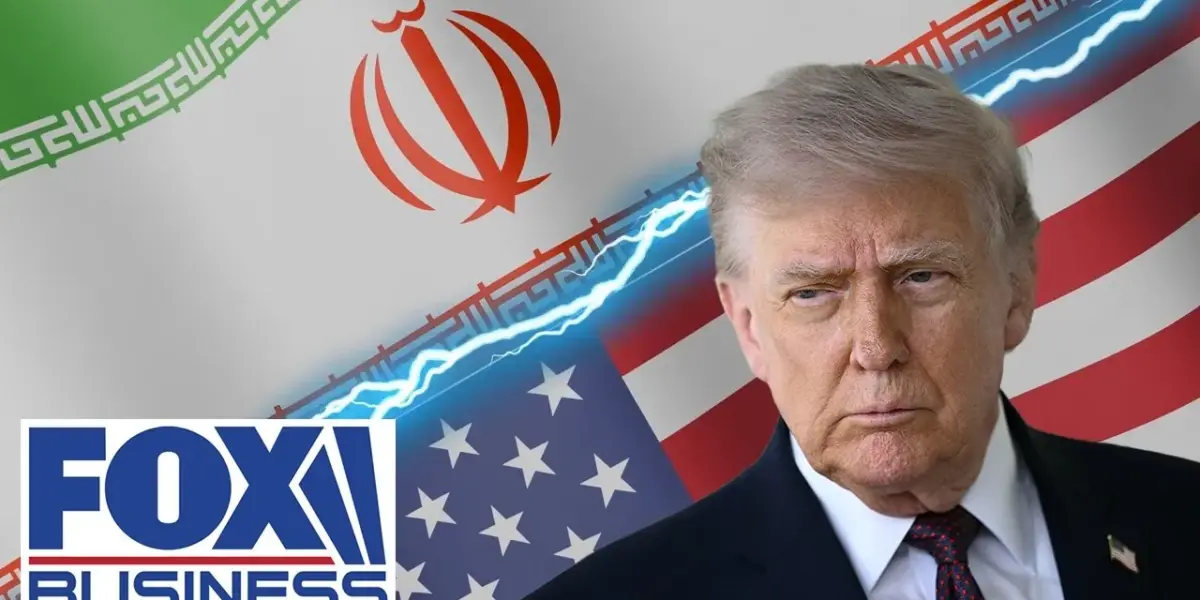
Trump Pursues Middle East Peace, Tightens Financial Squeeze on Iran
President Trump announced a significant diplomatic push this week, aiming to secure a 10-day ceasefire between Lebanon and Israel. He extended an invitation for both sides to attend further talks, signaling a strong desire for de-escalation in the region. This move comes as negotiations with Iran are expected to resume soon, with President Trump even suggesting a potential visit to Pakistan to finalize a deal.
The President expressed hope for a peaceful resolution, stating, “I hope Hezbollah asked nicely and well during the support period of time it’ll be a great moment for them if they do no more killing we must finally have peace.” This optimistic outlook contrasts with the complex geopolitical realities of the Middle East, where long-standing conflicts and regime actions have caused widespread disruption.
Financial Pressure Mounts on Tehran
Alongside diplomatic efforts, the U.S. Treasury is employing aggressive financial tactics to pressure Iran. Reports indicate that Iran is losing hundreds of millions of dollars daily due to economic blockades, impacting its ability to fund regional proxies like Hezbollah and the Houthis.
The tools now available to the Treasury Secretary are described as unprecedented since 9/11. These measures were reportedly intensified after Iran’s attacks on Arab allies, which prompted those nations to cooperate more closely with U.S. financial systems. Experts compare these economic sanctions to “economic nuclear weapons,” providing leverage to track and halt illicit funding.
China Banks Warned Over Iran Dealings
In a notable development, two major Chinese banks have been put on notice by the U.S. Treasury. They received letters warning of secondary sanctions if Iranian money is found flowing through their systems. This action highlights concerns that China may be aiding Iran’s financial activities, despite assurances to the contrary.
Leaked documents suggest a deeper connection, showing Iran acquiring a spy satellite launched by China in 2024. This satellite reportedly enables Iran to gather intelligence on U.S. military bases in Saudi Arabia and Jordan. This alleged support for Iran aligns with broader concerns about China’s role alongside Russia and Iran as partners in an alternative to American global leadership.
Strategic Implications for Global Markets
The U.S. strategy appears to be a blend of diplomatic engagement and robust financial pressure. By presenting evidence of China’s alleged support for Iran, the administration aims to create leverage for upcoming negotiations, drawing parallels to past successes in North Korean talks.
A potential meeting between President Trump and Chinese President Xi Jinping is being viewed with caution. Given the ongoing conflict and China’s alleged role, such a meeting could pose a significant risk unless China commits to ceasing its support for Iran. This strategic stance highlights the administration’s determination to maintain American influence and prevent adversaries from being taken advantage of.
Market Impact and Investor Considerations
The intensified pressure on Iran and the scrutiny of Chinese financial institutions could have ripple effects across global markets. China’s significant reliance on Middle Eastern oil and its dependence on access to the U.S. consumer market represent major vulnerabilities that President Trump’s administration is highlighting.
A disruption in oil supplies, even for a short period, can significantly impact global refineries and energy prices. The U.S. is signaling its intent to remain the dominant global power and is prepared to use economic tools, including tariffs, to achieve its objectives. Investors should monitor the ongoing diplomatic and economic developments, as they could influence energy markets, international trade, and geopolitical stability.
The next round of negotiations with Iran is scheduled for this weekend, with further developments expected concerning the U.S. stance on Chinese banks and Iran’s financial activities.
Source: Trump drops ceasefire BOMBSHELL with bold Middle East move (YouTube)

Related Articles

US Troops Surge Amidst Conflicting Signals on Iran War
The US is sending thousands more troops to the Middle East amidst conflicting signals about the Iran war. President Trump claims the war is nearly over, yet military deployments suggest otherwise. Meanwhile, a dispute with the Pope escalates, and a missing wife case takes a concerning turn.
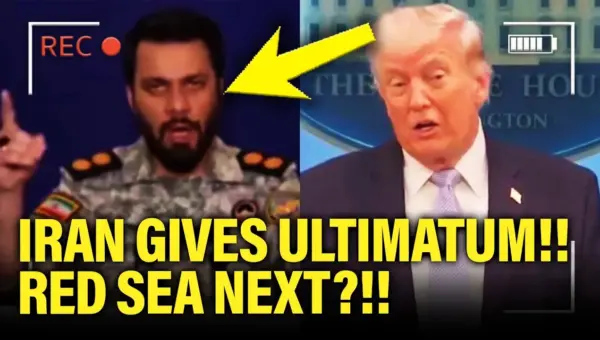
Iran’s Red Sea Threat: A Geopolitical Tightrope
Iran has issued a stark ultimatum, threatening to block the Bab el-Mandeb Strait in the Red Sea if its demands are not met. This escalation comes amid strained U.S. military resources, low morale among troops, and ongoing geopolitical negotiations with uncertain outcomes. The potential disruption to global shipping raises concerns of economic instability and a potential food crisis.


China’s Island Dreams Sink in South China Sea
China has restarted its controversial project of building artificial islands in the South China Sea, but past attempts failed due to unstable sandy foundations. These efforts represent a significant waste of resources and a strategic setback for China's regional ambitions.