Iran Reopens Strait of Hormuz to Commercial Ships
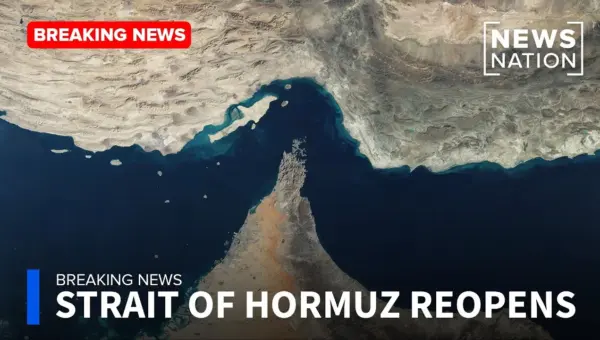
Iran's foreign minister announced the Strait of Hormuz is now fully open to commercial vessels, following a ceasefire in Lebanon. This vital shipping lane, through which a fifth of the world's oil passes, had been closed since February 28th. The move comes amid international efforts to ensure maritime security and ease economic disruptions.

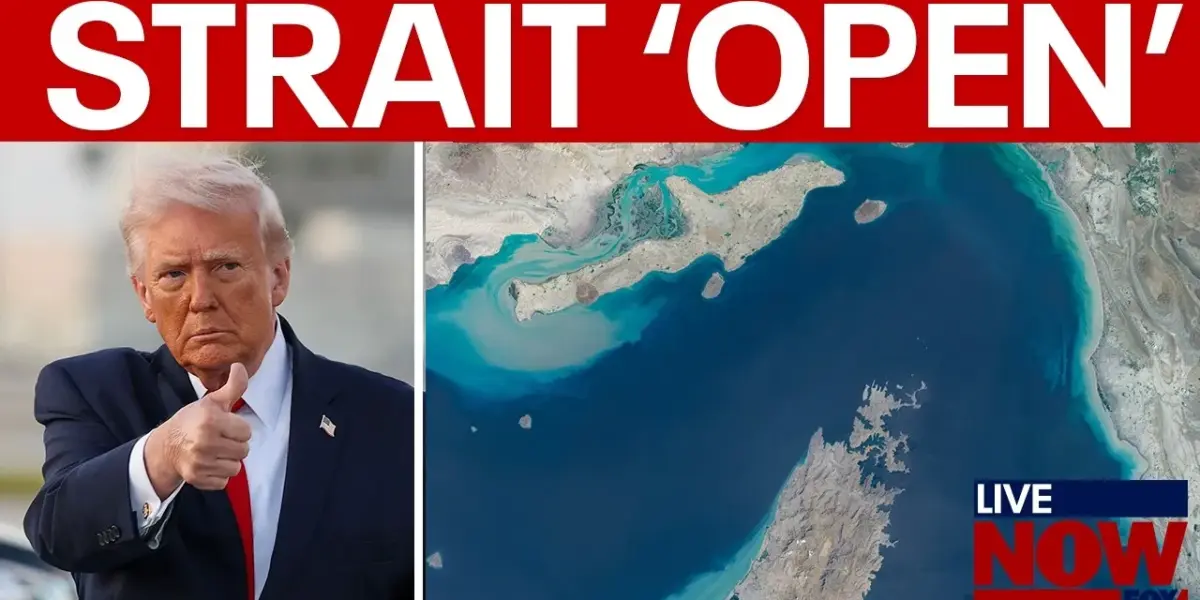
Iran Declares Strait of Hormuz Open After Ceasefire
Iran’s foreign minister announced that the Strait of Hormuz is now completely open for all commercial vessels. This move comes in line with a ceasefire in Lebanon and applies to the coordinated routes.
The announcement was made via a post on the social media platform X. This development is significant because the Strait of Hormuz is a vital waterway for global oil transport.
The strait, a narrow passage between Iran and Oman, is where about one-fifth of the world’s oil passes. Iran had effectively shut down this passage on February 28th, causing major disruptions. This closure had a significant impact on the global economy, leading to increased oil prices and supply concerns.
International Efforts to Secure Shipping Lanes
This announcement follows international talks aimed at easing the impact of recent conflicts. Leaders from France and the UK, including President Emmanuel Macron and Prime Minister Keir Starmer, have been pushing for plans to reopen the strait. These efforts are part of a broader initiative to ensure freedom of navigation in the region.
The United States is not directly involved in these specific planning efforts, which have been branded the “Strait of Hormuz Maritime Freedom of Navigation Initiative.” However, the US has previously announced retaliatory actions, including a blockade of Iranian ports. This highlights the complex geopolitical tensions surrounding the vital shipping route.
Defensive and Limited Security Measures Proposed
French President Emmanuel Macron previously stated that any mission to provide security for shipping through the strait would be strictly defensive. The plan is limited to non-belligerent countries and would only be deployed when security conditions allow. This approach aims to de-escalate tensions while ensuring safe passage for legitimate commercial traffic.
Prime Minister Keir Starmer has been a strong voice in increasing diplomatic and economic pressure on Iran. He has accused Iran of “holding the world’s economy to ransom” due to the disruption of this key shipping lane. The coordinated efforts by international partners aim to create a more stable environment for global trade.
Context of the Hormuz Strait
The Strait of Hormuz is a critical choke point for international shipping. Its strategic location means that any disruption there has immediate and far-reaching economic consequences. A fifth of the world’s oil supply transits through this narrow waterway daily, making its stability crucial for the global economy.
Iran’s decision to close the strait in February was a significant event, leading to a surge in oil prices and widespread concern among international markets. The subsequent diplomatic efforts, including the Paris meeting involving dozens of countries, highlight the global importance of keeping this route open and secure.
What to Watch Next
The reopening of the Strait of Hormuz is a positive development, but the situation remains fluid. International observers will be closely watching to see if Iran adheres to its commitment and if the security conditions in the region allow for sustained safe passage. Further statements from Iranian officials and international leaders are expected to provide more clarity on the long-term implications of this announcement.
Source: Iran FM: Strait of Hormuz passage open for vessels (YouTube)

Related Articles
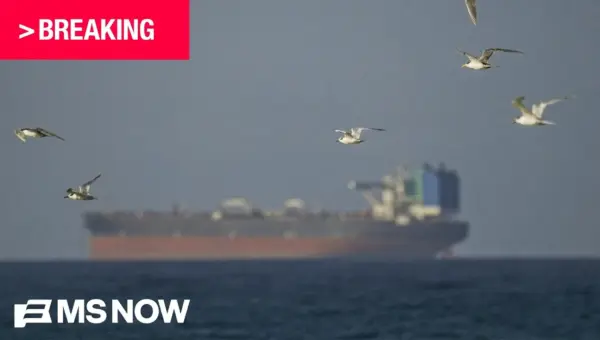
Iran Reopens Strait of Hormuz After Cease-Fire
Iran announced the reopening of the Strait of Hormuz, a critical global oil chokepoint, following a cease-fire in the Israel-Lebanon conflict. The move is seen as a significant de-escalation, with markets rallying and oil prices falling. Questions remain about the U.S. Navy's blockade, which is expected to be lifted.
Strait of Hormuz Reopens, But Tensions Remain High
Iranian officials claim the Strait of Hormuz is now open for commercial vessels as part of a cease-fire in Lebanon. However, the U.S. maintains its naval blockade, turning away ships. This creates a tense standoff in a vital global shipping lane, with international partners pushing for reopening while the U.S. holds its position.


Oil Prices Drop as Strait of Hormuz Reopens
The Strait of Hormuz has reopened for commercial vessels, leading to a significant drop in oil prices and easing fears of further interest rate hikes. This development follows progress in nuclear negotiations with Iran. The market is now more optimistic about potential rate cuts later this year.