Iran Reopens Strait of Hormuz After Cease-Fire
Iran announced the reopening of the Strait of Hormuz, a critical global oil chokepoint, following a cease-fire in the Israel-Lebanon conflict. The move is seen as a significant de-escalation, with markets rallying and oil prices falling. Questions remain about the U.S. Navy's blockade, which is expected to be lifted.

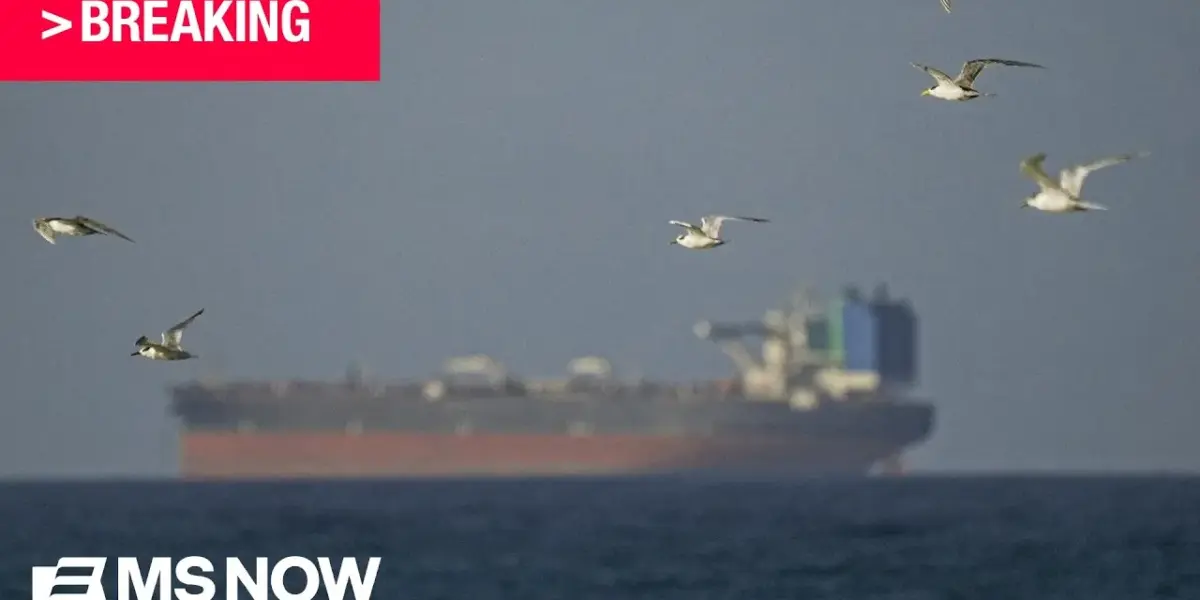
Strait of Hormuz Reopens as Iran Ends Blockade
The vital Strait of Hormuz has reopened, according to an announcement from Iran’s foreign minister. This development comes after Iran had maintained a blockade for several weeks. The reopening is directly linked to the cease-fire reached in the Israel-Lebanon conflict.
Iran had publicly stated its intention to reopen the strait about ten days ago as a condition for ending the blockade. This condition was tied to the cessation of hostilities between Israel and Lebanon. The move signals a potential de-escalation in regional tensions.
US Navy Blockade and Market Reactions
Questions remain about the U.S. Navy’s blockade, which was in place in response to Iran’s actions. It is presumed that the U.S. will also lift its blockade, though official confirmation from U.S. authorities is still pending. President Trump celebrated the news on his social media platform, Truth Social.
The financial markets reacted positively to the announcement, with markets rallying. Oil prices have also seen a decline. This suggests that the reopening of the strait is viewed as a significant positive development for global trade and stability.
White House Reporter Akeyla Gardner on Developments
Akeyla Gardner, a White House reporter for MS.NOW, provided insights into the unfolding situation. She described the reopening as a “huge development” and noted that it has been a key point of contention. Gardner indicated that President Trump’s posts suggested the U.S. blockade would likely end.
However, Gardner also pointed out that this comes at a time when President Trump has expressed skepticism about extending the cease-fire. He also mentioned an agreement with Iran regarding their uranium enrichment levels, though U.S. officials have not yet confirmed this detail. Skepticism about Iran’s enrichment activities and monitoring capabilities has been a long-standing concern.
Potential Implications and Future Negotiations
The mechanics of unwinding the blockade could be complicated, and the full implications are yet to be seen. The situation puts pressure on Prime Minister Netanyahu to agree to end the war with Lebanon. Iran has indicated that the blockade could be reinstated if the cease-fire does not hold.
If there is indeed progress on the uranium issue, coupled with the reopening of the Strait of Hormuz, it could create a more positive atmosphere for upcoming negotiations. These potential talks are anticipated for the upcoming weekend or next week. While the war is not officially over, this represents an important step towards a resolution.
Strait of Hormuz: A Critical Global Chokepoint
The Strait of Hormuz is a narrow waterway connecting the Persian Gulf to the Gulf of Oman. It is one of the world’s most important oil transit chokepoints. Approximately 20-30% of the world’s oil supply passes through this vital passage daily.
Any disruption or closure of the strait can have significant global economic consequences. It can lead to sharp increases in oil prices and create uncertainty in international energy markets. Iran has previously used the strait as leverage in geopolitical disputes.
Looking Ahead
As the situation continues to develop, all eyes will be on the official confirmation from U.S. authorities regarding their blockade. The progress of the Israel-Lebanon cease-fire and any further statements from Iran or the U.S. will be closely monitored. The world watches to see if this de-escalation holds and enables broader diplomatic solutions.
Source: BREAKING: Trump says Strait of Hormuz 'fully open' (YouTube)

Related Articles
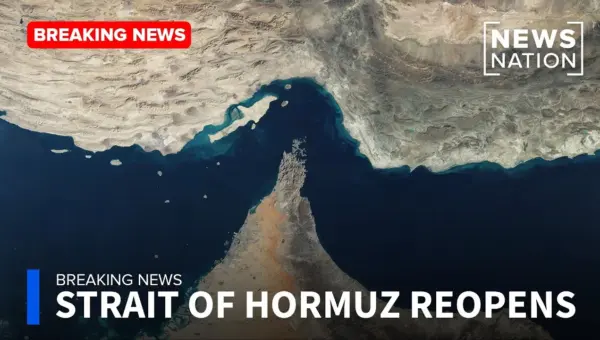
Strait of Hormuz Reopens, But Tensions Remain High
Iranian officials claim the Strait of Hormuz is now open for commercial vessels as part of a cease-fire in Lebanon. However, the U.S. maintains its naval blockade, turning away ships. This creates a tense standoff in a vital global shipping lane, with international partners pushing for reopening while the U.S. holds its position.


Oil Prices Drop as Strait of Hormuz Reopens
The Strait of Hormuz has reopened for commercial vessels, leading to a significant drop in oil prices and easing fears of further interest rate hikes. This development follows progress in nuclear negotiations with Iran. The market is now more optimistic about potential rate cuts later this year.

Iran War Fuels UK Crisis: Britain Faces Shortages
The closure of the Strait of Hormuz due to the Iran war is threatening to upend life in Britain, with experts warning of potential shortages of fuel, food, and essential goods. Experts and former crisis planners discuss the UK's preparedness, the impact of CO2 shortages, and the need for both government action and public resilience.