ICE Agents Deploy to Airports Amid Spring Break Travel Chaos
ICE agents have been deployed to U.S. airports to help manage long lines and delays during the spring break travel rush. The move comes as the partial federal government shutdown has severely impacted TSA staffing, leading to widespread travel chaos. This deployment aims to speed up security screening processes nationwide.

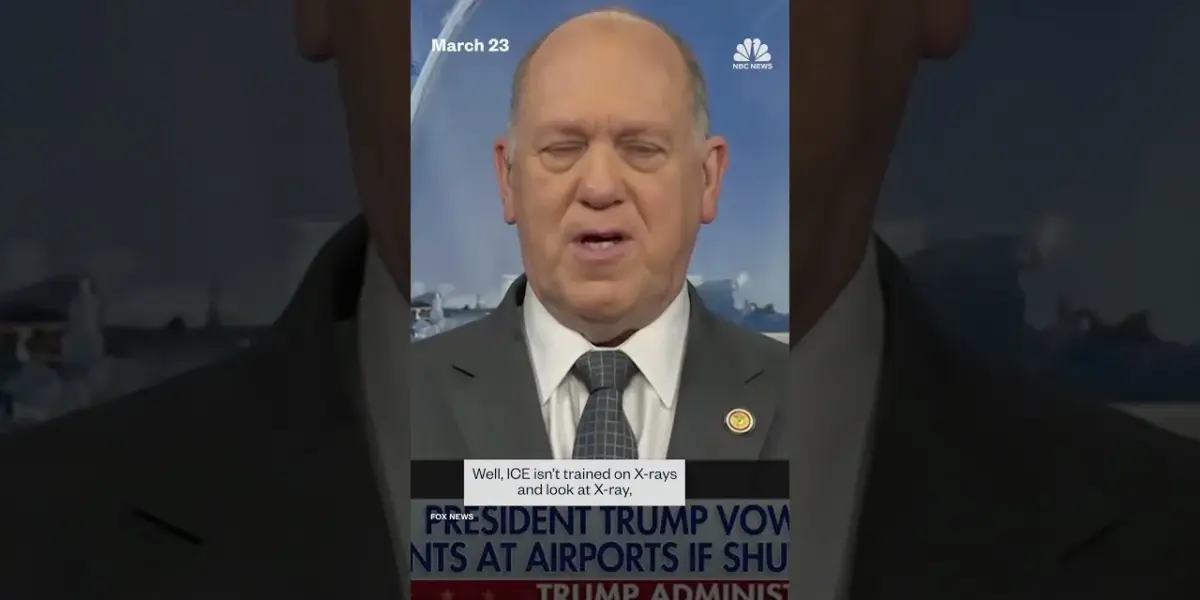
ICE Agents Deployed to Airports Amid Travel Chaos
President Trump has ordered U.S. Immigration and Customs Enforcement (ICE) agents to be deployed to several U.S. Airports. This move comes as travelers face extremely long lines and significant delays during the busy spring break travel season. The decision aims to speed up the screening process and alleviate congestion at airports nationwide.
ICE agents were visible at Atlanta’s Hartsfield-Jackson International Airport, one of the nation’s busiest, on Friday morning. The deployment is intended to allow Transportation Security Administration (TSA) officers to focus on their core security duties, such as screening baggage with X-ray machines. This reassures travelers that security checks will not be compromised by the shift in personnel.
Federal Shutdown Strains TSA Workforce
The deployment of ICE agents follows a period of significant strain on the TSA workforce. The ongoing partial federal government shutdown has left many TSA officers working for over a month without full pay. This financial uncertainty has impacted morale and staffing levels within the agency.
According to the Department of Homeland Security (DHS), more than 400 TSA workers have resigned since the shutdown began. Thousands more have reportedly called in sick, further exacerbating staffing shortages. These resignations and absences have contributed directly to the lengthy delays and chaotic scenes witnessed at airports across the country.
Nationwide Delays Plague Travelers
Scenes of travelers facing hours-long queues have become common in recent weeks. Major airports in New York City, Philadelphia, and Houston have all reported significant backlogs. The extended wait times have caused considerable stress and frustration for passengers trying to catch flights.
The increased wait times are a direct result of the TSA’s reduced staffing levels. With fewer officers available to work, the screening process slows down considerably. This creates a bottleneck effect, leading to the massive lines that travelers are experiencing.
ICE’s Role in Airport Security
While ICE agents are now present at some airports, their specific role is to handle certain security tasks. This is meant to free up TSA officers to concentrate on their specialized training.
TSA officers are experts in operating X-ray machines and inspecting luggage for dangerous items. ICE agents, while trained in security, do not typically perform these specific screening functions.
The strategy is to have ICE personnel manage general security duties. This allows the TSA workforce to focus on the technical aspects of passenger and baggage screening.
The hope is that this division of labor will improve efficiency and reduce wait times for travelers. It is a temporary measure designed to address the immediate crisis caused by the shutdown.
Broader Implications and Future Outlook
The deployment of ICE agents to airports highlights the far-reaching effects of the federal government shutdown. It has impacted not only federal employees but also the traveling public and the broader economy. The reliance on non-TSA personnel for security tasks raises questions about long-term solutions and the preparedness of the agency.
As the shutdown continues, the strain on government services, including air travel, is likely to persist. The effectiveness of this temporary measure will be closely watched.
Travelers are advised to monitor airport conditions and allow extra time for check-in and security screenings. The situation remains fluid as the federal shutdown continues, with potential for further disruptions.
Source: ICE agents deployed to airports amid hourslong lines (YouTube)

Related Articles

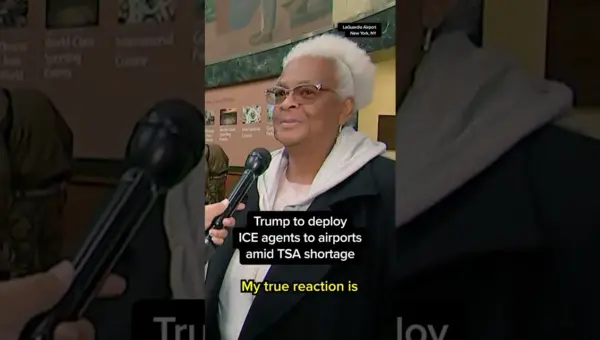
Trump Plans ICE Deployment to Airports Amid TSA Woes
Former President Donald Trump has proposed deploying ICE agents to airports to help alleviate perceived chaos and shortages within TSA screening lines. Travelers at LaGuardia Airport shared mixed reactions to the idea, with some welcoming any measure to speed up security and others questioning the suitability of ICE agents for the role. The suggestion highlights ongoing debates about national security, immigration policy, and the most effective ways to manage airport operations.


Mayor Frey Slams Trump’s ICE Airport Plan as Fear Tactic
Minneapolis Mayor Jacob Frey has strongly criticized President Trump's threat to deploy ICE agents to airports for security. Frey argued the plan is a fear tactic, not a genuine safety measure. He suggested hiring more TSA agents or police officers as better solutions for public safety.
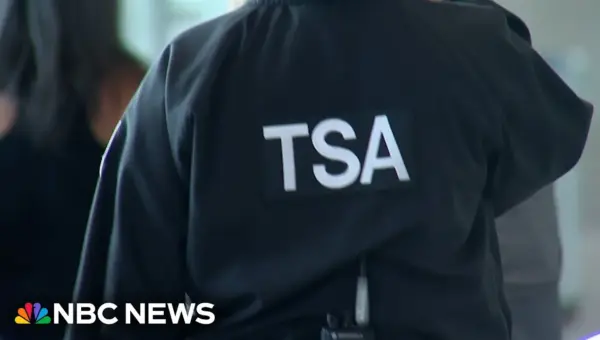
TSA Union Leader Slams ICE Airport Deployment Plan
A San Diego TSA union leader called President Trump's plan to send ICE agents to airports "ridiculous" amid the ongoing government funding crisis. Thousands of TSA employees are working without pay, leading to financial hardship and concerns about job stability. The political stalemate continues to impact federal workers and airport security.