White House Uses Memes to Sell War to Gen Z
The White House is using memes and viral video styles to communicate about military actions with Iran, particularly targeting Gen Z. This approach, mixing real footage with pop culture, marks a significant shift from traditional wartime messaging, drawing both praise for engagement and criticism for potential trivialization.

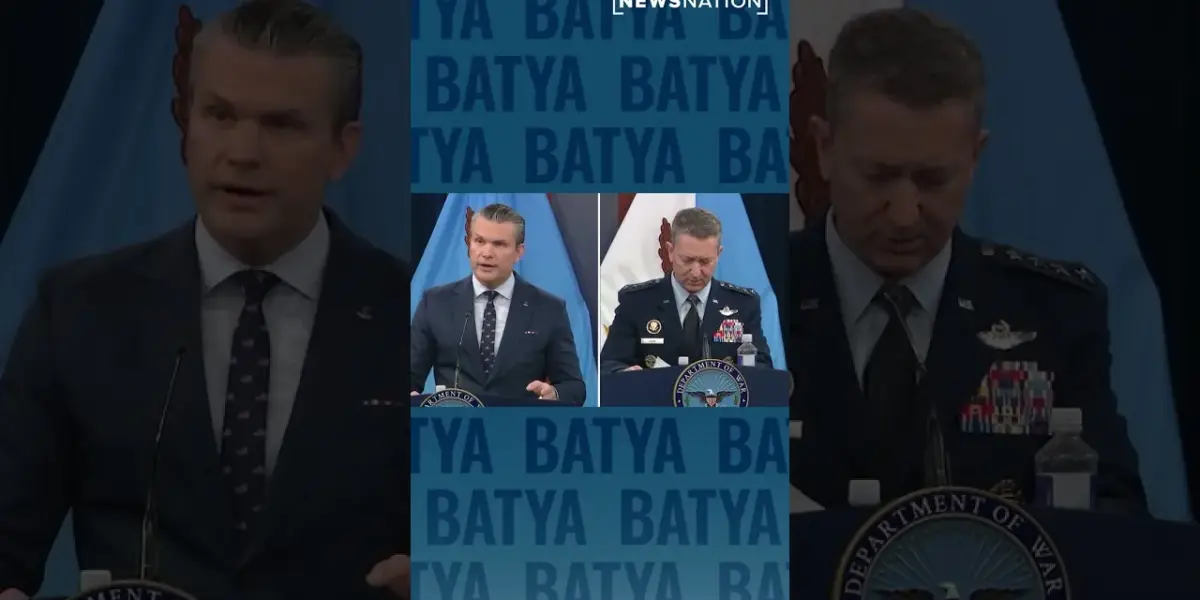
White House Uses Memes to Sell War to Gen Z
The White House has started a new way to talk about war. Instead of just giving speeches, they are using memes and short videos.
These are made for social media platforms like TikTok. The goal is to get younger people, like Gen Z, interested in what’s happening with Iran.
This is a big change from how presidents used to talk about war. For a long time, leaders were very careful with their words when discussing military actions.
They wanted to show respect for the seriousness of war. Now, the White House is trying a different approach, using online trends to share its message.
A New Kind of War Messaging
Reports show that this new strategy involves creating catchy videos. These videos often mix real footage of military actions with clips from popular movies and video games.
For example, one video used actual footage of missile strikes in Iran. It added an animation of a “kill streak” from the game Grand Theft Auto.
Another example combined powerful moments from NFL football games with recent strikes in Iran. This was set to the song “Thunderstruck.” Other videos show scenes from patriotic American movies, again with real war footage mixed in. These videos are designed to be attention-grabbing and shareable online.
Reactions to the Strategy
Not everyone likes this new way of talking about war. Many people have criticized using memes and online trends for such a serious topic.
They feel it makes war seem less important than it is. However, the White House seems happy with the results of this strategy.
One senior White House official was quoted as saying, “We’re over here just grinding away on banger memes, dude.” This shows they believe this approach is effective in reaching their target audience.
Why This Matters
This shift in communication is important because it shows how governments are trying to connect with younger generations. Social media has become a major way people get their news and form opinions. By using memes and popular online formats, the White House is trying to make complex foreign policy issues more accessible and relatable to young people.
However, it also raises questions about the seriousness of wartime communication. When war is presented through entertainment formats, it might downplay the real human cost and consequences. It’s a delicate balance between engaging an audience and respecting the gravity of military conflict.
Historical Context and Future Outlook
Historically, presidential messages about war were formal and delivered through official channels like press conferences and televised addresses. Think of Franklin D.
Roosevelt’s “fireside chats” during World War II. These were meant to inform and reassure the public in a serious tone.
The current approach is a stark contrast, reflecting the changing media environment and the rise of digital communication. As more people, especially young adults, get their information online, governments will likely continue to explore new ways to communicate. This could mean more use of short-form video, interactive content, and even humor in political messaging.
The long-term effects of this strategy are still developing. Will it make younger generations more informed about foreign policy, or will it trivialize important global issues? As this method of communication continues, we will see how it shapes public perception and engagement with national security matters.
The White House continues to post content on social media platforms.
Source: White House ‘meme department’ selling Iran war to Gen Z: Batya (YouTube)

Related Articles

Middle East Nuclear Sites Hit Amid Iran Conflict
Nuclear sites in the Middle East have become targets amid escalating conflict between Iran and Israel. Iran struck an Israeli nuclear facility in retaliation for an earlier air strike, prompting UN calls for restraint due to accident risks. The conflict also impacts US forces and has displaced over a million people in Lebanon.

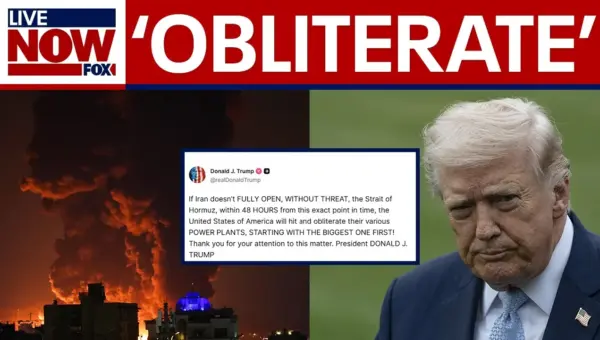
Trump Gives Iran 48 Hours to Open Strait or Face Power Plant Attacks
President Donald Trump has issued a stark 48-hour ultimatum to Iran, threatening to "obliterate" its power plants if the Strait of Hormuz is not fully opened. This declaration comes as the U.S. also moves to lift sanctions on stranded Iranian oil, aiming to ease energy market pressures. The deadline is set to expire early Monday morning in the Middle East, raising concerns about regional stability.

Iran’s People Suffer Amid War and Brutal Crackdown
Iranians are suffering immensely, caught between external war and internal government crackdowns. With the internet largely shut down, journalists rely on conflicting sources to report the truth. Secretly filmed footage reveals defiance, while state media shows government-approved narratives, painting a grim picture of daily life under threat.