AI Fuels Russian Disinformation Campaigns
Artificial intelligence is making it easier for Russia to create and spread fake videos online. These AI-generated videos can quickly go viral, making it hard to tell what is real. This technology is a new tool in Russia's long-standing strategy of using disinformation in warfare.

AI Fuels Russian Disinformation Campaigns
New forms of artificial intelligence are making it easier to create fake videos. These videos can spread quickly online, confusing people about what is real. This technology is being used to influence public opinion, especially during conflicts.
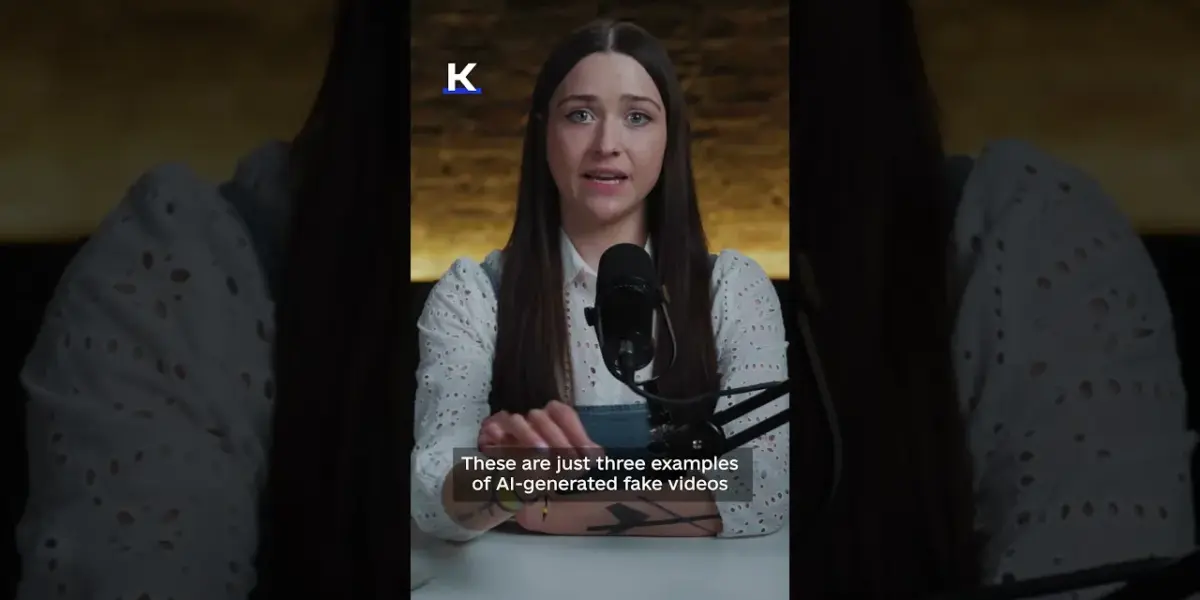
In the past month, viral videos showed the Burj Khalifa collapsing. Other fake videos depicted U.S. Troops captured by Iranian forces. Another showed a U.S. Plane allegedly shot down and paraded in Tehran.
These events gained millions of views but never actually happened. They are examples of AI-generated content designed to mislead.
Russia’s Role in Deepfake Warfare
The use of fake videos in war is not new. Russia has used them for years as part of its strategy. This approach is often called hybrid warfare.
It combines traditional military actions with non-military tactics like propaganda and disinformation. The goal is to weaken an opponent without direct combat.
Russia has long understood the power of information. They have used various methods to spread their narrative.
Now, advanced AI tools are making these efforts more sophisticated and harder to detect. This technology allows for the rapid creation of realistic-looking fake content.
The Impact on Trust and Evidence
Artificial intelligence has made video a less reliable source of information. It is becoming harder for people to tell what is real and what is fake.
This is especially dangerous in war zones where accurate information is crucial. The ease with which AI can create convincing fakes erodes trust in all visual media.
Deepfake technology works by using AI to alter or create video and audio content. It can make it appear as though someone said or did something they never did.
This can be used to create false evidence or spread damaging lies. The speed at which these videos spread online makes them a powerful tool for manipulation.
Strategic Implications
The increasing sophistication of AI-generated propaganda presents a significant challenge. It can be used to sow discord among populations, undermine trust in governments, and influence election outcomes.
In conflict situations, it can be used to demoralize enemy forces or rally domestic support for a war. The ability to quickly generate and disseminate believable fake news makes it difficult for authorities and the public to respond effectively.
This development also impacts military operations. False reports of battlefield successes or failures can influence strategic decisions.
It can also be used to justify actions or to create a narrative that supports a particular geopolitical agenda. The challenge lies in developing ways to quickly identify and counter these AI-driven disinformation campaigns.
Historical Parallels
Throughout history, propaganda has been a tool of warfare. During World War I and II, governments used posters, radio, and films to shape public opinion.
These methods were designed to demonize the enemy and boost morale. However, the speed and realism offered by modern AI technology are on a different scale.
The current era of AI-driven disinformation is a modern evolution of older propaganda techniques. Instead of carefully crafted posters, we now have AI that can generate realistic videos in minutes. This makes the challenge of discerning truth from fiction far greater than in previous conflicts.
What This Means on the Ground
For citizens, it means a heightened need for critical thinking when consuming online content. Verifying information from multiple trusted sources is more important than ever. It also means that official statements and verified news reports might be drowned out by a flood of convincing fakes.
For military strategists and intelligence agencies, it means adapting to a new information battlefield. Countering disinformation and verifying the authenticity of visual evidence are now critical tasks. This requires new technologies and strategies to identify AI-generated content quickly.
The use of AI in propaganda is an ongoing development. Experts are working on tools to detect deepfakes.
However, the technology to create fakes is also constantly improving. This creates a continuous challenge for those trying to maintain information integrity.
The ongoing conflict between Russia and Ukraine, and broader geopolitical tensions, continue to be fertile ground for such operations. As AI capabilities advance, the ability to distinguish reality from fabrication will remain a critical skill for global audiences.
Source: How AI is supercharging Russian propaganda | Ukraine This Week (YouTube)

Related Articles


Iran Disinformation Campaign Fuels US Street Clashes
Iran's sophisticated disinformation campaign is spilling onto US streets, fueling clashes between pro-regime groups and the Iranian diaspora. These proxy organizations, some funded by tech billionaires, wave the Iranian flag while diaspora members chant "Death to the regime" in defiance. This geopolitical tension can indirectly impact global markets, particularly energy, and highlights the complex risks investors face.


S&P 500 Hits Highs Amid War Fears
The S&P 500 has unexpectedly reached all-time highs despite global conflicts and economic worries. Meanwhile, the crypto market faces regulatory delays, and AI's impact remains a mixed bag of innovation and public concern.


AI Finds Thousands of Crypto Security Flaws
A new AI model, Mythos, has discovered thousands of critical security flaws in software, posing potential risks to cryptocurrency platforms. The threats are more likely to target centralized exchanges and applications rather than the core blockchain technology itself.