US Warships Deploy as Iran Threatens Global Tourism
U.S. warships are en route to the Middle East amidst escalating tensions with Iran, which has threatened global tourist sites. Experts discuss potential military actions, while Americans are urged to remain vigilant. Domestically, the EPA is rolling back climate policies, and debates continue over border security and election integrity.

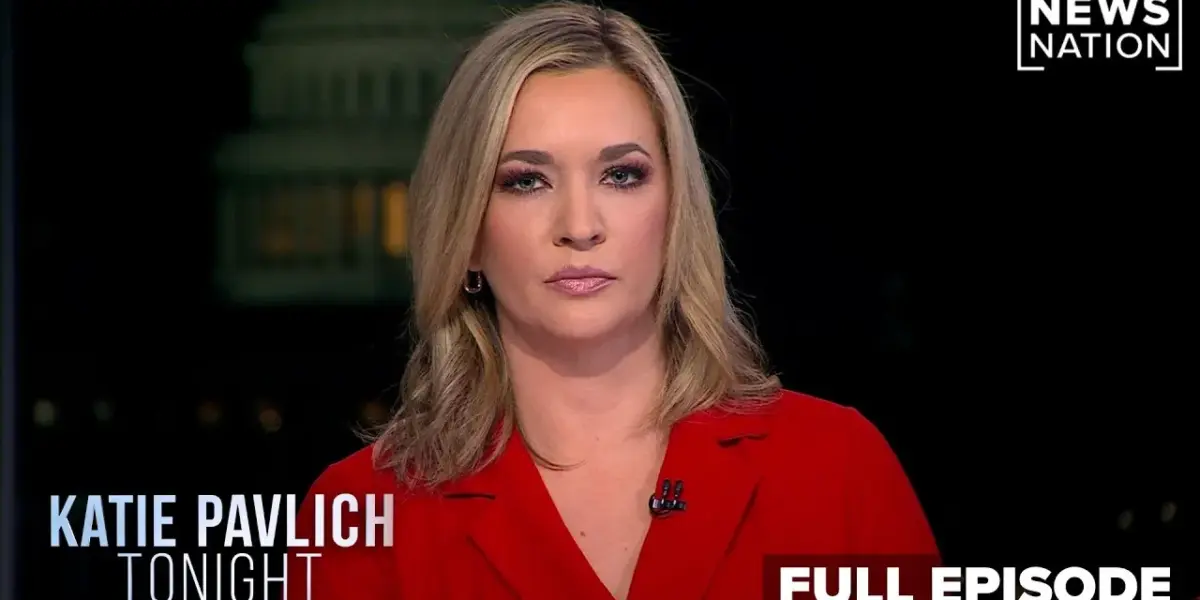
US Warships Deploy as Iran Threatens Global Tourism
The Middle East is on edge as the U.S. Sends warships and landing ships to the region. This move comes as Israel’s military reports new strikes against Hezbollah in Beirut.
Speculation is high that these deployments could be part of plans to target Iran’s Kharg Island. Reports suggest the Pentagon is preparing for potential ground operations in Iran.
Meanwhile, President Trump stated that the U.S. Is nearing its objectives and considering a reduction in military actions. However, Iran continues its aggressive actions in the Gulf. The Iranian regime is now threatening tourist and recreational sites worldwide.
A Targeted Threat and a Swift Response
The spokesman for Iran’s Islamic Revolutionary Guard Corps (IRGC), General Ali Mohammad Naimi, issued this threat. Shortly after the threat was published by state media, General Naimi was killed in an airstrike. This rapid response highlights the escalating tensions and the seriousness with which such threats are being treated.
In Israel, Iranian missiles were intercepted over holy sites in Jerusalem. Fragments fell onto the ground, damaging parts of the ancient city walls.
The Western Wall, Church of the Holy Sepulchre, and Al-Aqsa Mosque were temporarily closed to visitors. After three intercepted attacks over the Old City, a pattern emerged: Tehran appears to be targeting these sacred locations.
Military Options and Strategic Goals
Marine Expeditionary Units and amphibious assault ships are heading to the Middle East. These units are trained for various operations, including non-combatant evacuation and embassy reinforcement. Their deployment provides commanders and the President with more options to respond to crises and expand strategic capabilities.
Experts suggest that while routine deployments are normal, these specific movements are notable. The goal seems to be to achieve President Trump’s objectives regarding Iran’s nuclear program, its funding of terrorist groups, and its ballistic missile development. Some analysts believe that controlling Kharg Island could significantly limit Iran’s oil production and revenue.
Americans Urged to Stay Vigilant
In light of Iran’s threats, Americans are advised to remain aware and vigilant. Jonathan Gilliam, a former FBI agent and Navy SEAL, stressed that people should always consider themselves under a potential threat, not out of paranoia, but for awareness. This means taking basic safety precautions, like not leaving doors unlocked, and understanding potential attack scenarios.
Gilliam explained that attackers often exploit vulnerabilities like tourist attractions, vacation spots, and public gathering places where people may let their guard down. He compared this to understanding predator behavior in the wild. By recognizing potential threats and planning accordingly, individuals can mitigate risks, whether by avoiding certain areas or having a plan if caught in a dangerous situation.
Deregulation and Energy Dominance
In domestic news, EPA Administrator Lee Zeldin is rolling back Obama-era climate policies. He stated that the agency will follow the best reading of the law and heed the economic concerns of the American public, a direction supported by voters. This deregulation effort is described as the largest in U.S. History, aiming to save American families significant money.
The administration is focused on unleashing energy dominance, encouraging the U.S. To tap into its own energy supplies more safely. This strategy aims to support allies by providing reliable energy sources, especially as nations in the Indo-Pacific seek to diversify their supply chains away from regions like the Middle East. This aligns with a broader goal of ensuring energy security and stability.
Potomac River Cleanup and Concerns
The EPA has taken over water sampling for the Potomac River following a major wastewater spill. The Potomac Interceptor has been fixed, and diversion systems were used during repairs.
The agency highlighted the importance of intergovernmental cooperation, noting that the mayor of Washington D.C. Requested federal assistance, which President Trump readily provided.
Despite the repairs, concerns remain about the river’s safety for summer festivities. The EPA Administrator assured that water festivities and recreation on the Potomac will be available. This comes after a significant sewage spill and questions about local authorities’ initial response and testing accuracy.
A Secret Service Agent’s Suspension
A Secret Service agent, Mayo Perez, has been suspended for a third time. She was in charge of President Trump’s protective detail at a rally in Butler, Pennsylvania. Her latest suspension is for failing to report her marriage to a foreign national, who may have overstayed a visa and faced deportation.
Perez was previously suspended for her security plan failures at the Butler event and for speaking to a reporter without authorization. The ongoing investigations raise questions about security protocols and the handling of sensitive information within the Secret Service.
Why This Matters
The deployment of U.S. Warships and the heightened tensions with Iran signal a critical moment in international relations. Iran’s threats against global tourist sites highlight the far-reaching consequences of regional conflicts. The targeted airstrike on General Naimi and the interception of missiles over Jerusalem highlight the immediate dangers.
The discussion around military action, potential ground troops, and controlling key locations like Kharg Island points to a strategic re-evaluation of how to counter Iran’s influence. Simultaneously, the emphasis on personal vigilance for Americans reflects a reality where global threats can feel closer to home. The administration’s focus on deregulation and energy dominance also suggests a shift in national priorities, balancing environmental concerns with economic growth and global energy markets.
Future Outlook
The situation in the Middle East remains volatile, with diplomatic and military responses likely to continue. The effectiveness of current strategies against Iran will be closely watched, as will any further escalations. The U.S. Approach appears to be a mix of deterrence, strategic pressure, and a willingness to adapt to evolving threats.
Domestically, the push for deregulation and energy independence signals a continued focus on economic policy. The EPA’s actions and the administration’s stance on energy production will shape environmental regulations and international energy markets. The ongoing debates around border security and election integrity also suggest that these issues will remain central to political discourse.
Historical Context
U.S. Involvement in the Middle East has a long history, marked by periods of heightened tension and direct military engagement. Iran’s nuclear program and its support for regional militant groups have been consistent concerns for decades. The current situation builds upon a complex web of geopolitical rivalries and security challenges.
The debate over deregulation also has historical roots, often oscillating between environmental protection and economic growth. The current administration’s emphasis on rolling back regulations reflects a broader trend of prioritizing energy production and reducing perceived burdens on industry. These policy shifts often draw criticism from those who prioritize environmental safeguards and climate action.
The discussion around election integrity, such as voter ID laws, is a recurring theme in American politics. Proponents argue for measures to prevent fraud, while opponents raise concerns about voter suppression. These debates often become highly partisan, reflecting deep divisions in political ideology.
The events discussed, from international conflict to domestic policy debates, are unfolding against a backdrop of significant global and national challenges. The decisions made in the coming weeks and months will have lasting impacts on security, the economy, and public life.
Source: Pentagon sends warships; mystery of missing general | Katie Pavlich Tonight Full Show 3/20 (YouTube)

Related Articles

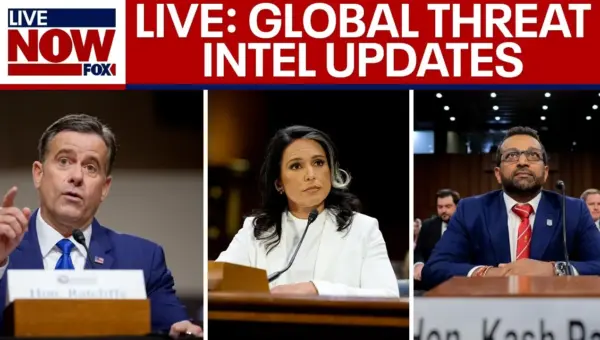
Gabbard, Ratcliffe, Patel Warn of Global Threats
Former Congresswoman Tulsi Gabbard and top U.S. intelligence officials testified before the House Permanent Select Committee on Intelligence about global threats. The hearing focused on Iran's destabilizing actions in the Middle East and its impact on global oil shipping. Officials also discussed the alliances between Iran, China, and Russia, highlighting complex geopolitical challenges facing national security.


Ossoff Presses Intelligence Chief on Iran Nuclear Threat Claims
Senator Jon Ossoff questioned a top intelligence official during a hearing about the White House's claim of an "imminent nuclear threat" from Iran. The official repeatedly avoided a direct yes or no answer, stating the President determines what constitutes an imminent threat. Ossoff argued that assessing threats is the intelligence community's core responsibility.
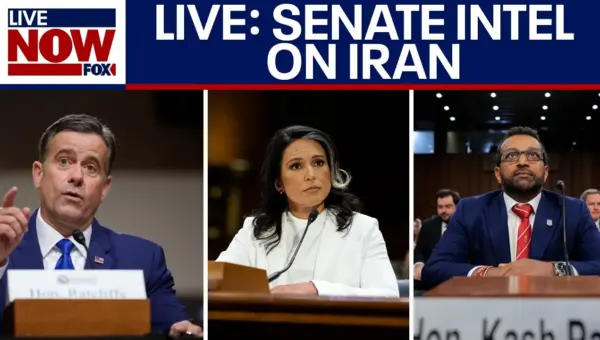
Intelligence Chiefs Detail Iran War, Terror Threats in Senate Hearing
Top intelligence officials testified before the Senate on global threats, detailing actions against Iran and ongoing risks from China, North Korea, and Russia. Concerns were also raised about potential misuse of intelligence powers and internal challenges within agencies like the FBI.