Israel Expands Lebanon Invasion, Causing Widespread Destruction
Israel has significantly expanded its ground invasion into southern Lebanon, causing widespread destruction and a severe humanitarian crisis. Over a million people have fled their homes, and civilian casualties continue to rise. The conflict highlights the complex geopolitical situation involving Hezbollah and the struggling Lebanese government.

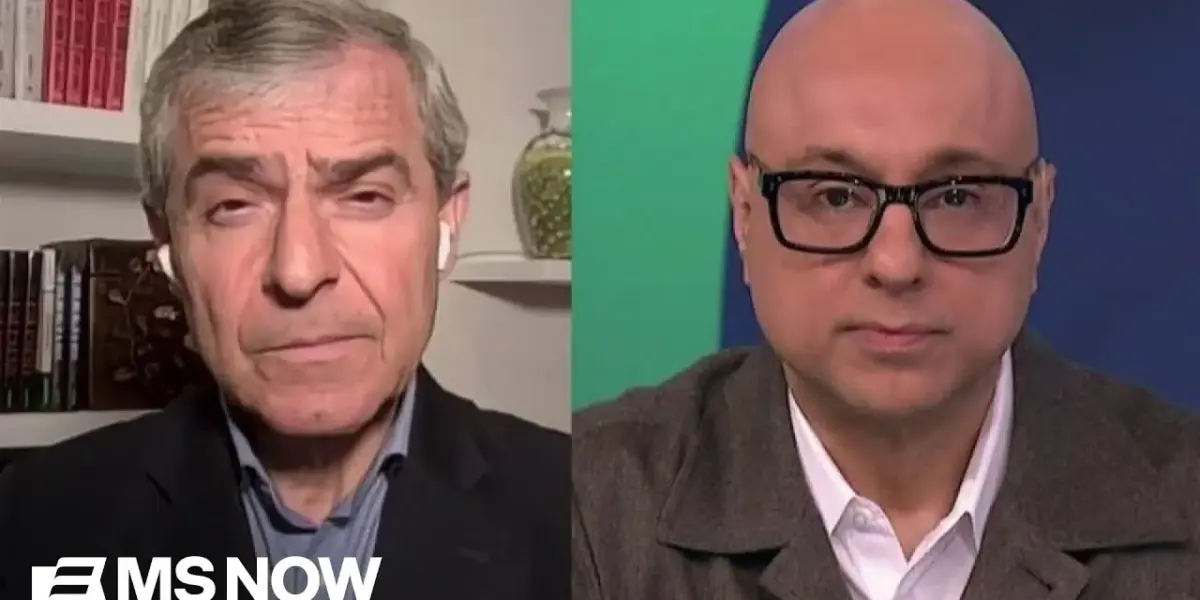
Israel Escalates Ground Operations in Southern Lebanon
Israel has launched an expanding ground invasion into southern Lebanon, leading to widespread destruction that mirrors the devastation seen in Gaza. This escalation marks a significant increase in the conflict between Israel and the powerful Iranian-backed group Hezbollah. The fighting has been ongoing since the start of the current war, with Israeli strikes now impacting vast areas of Lebanon’s south and even its capital, Beirut.
Humanitarian Crisis Grips Lebanon
The human cost of the conflict is staggering. According to Lebanon’s health ministry, at least 1,189 people have died, including at least 122 children. Just yesterday, three Lebanese journalists were killed in an airstrike; one was reporting live moments before the attack.
The Israeli military claimed one of the journalists was a Hezbollah member but provided no evidence, a tactic also used in Gaza. Fifty-one health workers have been killed this month, making it the second deadliest month for medical personnel since October 2023.
Mass Displacement and ‘Security Zone’
More than one million people have been forced to flee their homes in Lebanon, official figures show. This includes a large portion of the population in the south and nearly everyone living south of the Litani River. Israel’s defense minister announced this week that the Israeli military is occupying territory south of the Litani River.
This move is intended to create what he described as a “security zone” and a defensive buffer inside Lebanon. Israel has also destroyed at least five bridges over the Litani River, leveled neighborhoods, and reinforced military bases.
“Israel’s strategy in Lebanon can be summarized in two words: collective punishment,” stated Professor Fawaz, an international relations expert from the London School of Economics. “Israel is trying to punish the entire population to exert pressure on the Lebanese government and basically bring about state collapse in Lebanon.”
Hezbollah’s Role and Lebanese Government’s Dilemma
Hezbollah, a significant political and social movement deeply embedded within the Shia community, also has broader support among Sunni and Christian Lebanese. Since the 1990s, it has functioned as a parallel government alongside the official Lebanese state. During the current conflict, Hezbollah has acted in solidarity with Hamas, engaging in missile fire towards Israel.
This has led to continuous fighting, with a previous 13-month war ending in a 2024 ceasefire. However, Israeli officials were reportedly waiting for an opportunity to launch another invasion to degrade Hezbollah’s capabilities, even though the group remains a potent force.
The Lebanese government finds itself in a difficult position, caught between Hezbollah’s actions and Israel’s widespread retaliation. The situation is described as catastrophic, with the Lebanese population of six million facing over 1,200 deaths and nearly 3,000 injuries, including many children. The displacement of over a million people due to Israeli evacuation orders has been called a potential “world crime” by the United Nations.
The Lebanese president has proposed direct talks with Israel, a historic first, but Israel appears to want negotiations under duress, aiming to occupy southern Lebanon and force a confrontation with Hezbollah. The Lebanese government lacks the military power to confront Hezbollah, and doing so could risk civil unrest.
International Stance and Future Outlook
The United States has generally given Israel a “green light” to operate in Lebanon, despite expectations that American leadership would uphold the sovereignty of other nations. This lack of international intervention allows Israel to expand its military operations. Professor Fawaz highlighted that the people living in Lebanon, regardless of whether they are under Hezbollah’s control or not, are suffering and being killed.
He noted that Hezbollah is not just a paramilitary group but a complex movement deeply integrated into Lebanese society. The professor’s insights were shared during a discussion on the escalating situation, which often goes unnoticed due to focus on other regional conflicts.
What’s Next
Israel’s defense minister has threatened further escalation and expansion of military operations within Lebanon. The coming weeks will likely see continued intense fighting and a deepening humanitarian crisis as the conflict shows no signs of calming down. The international community’s response, or lack thereof, will be crucial in shaping the future of the region.
Source: Israel expands its ground invasion of Lebanon (YouTube)

Related Articles

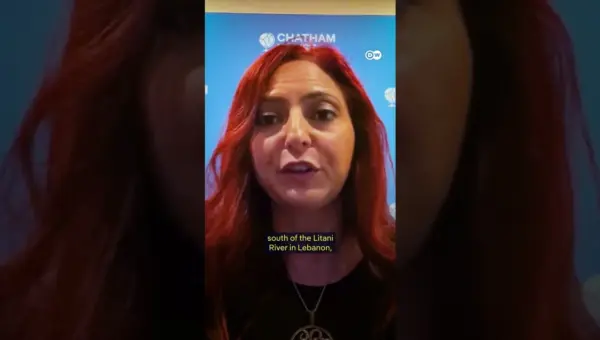
Lebanon Border Tensions Rise: Is Southern Lebanon the Next Gaza?
Concerns are rising that southern Lebanon may become the next Gaza due to Israeli military plans to establish a buffer zone. Reports indicate destruction of infrastructure and homes, impacting civilians and potentially preventing their return.


Luxury Stocks Shed $100 Billion Amid Middle East Turmoil
Luxury giants LVMH, Hermès, and Richemont have collectively lost nearly $100 billion in market value over the past month. This decline is driven by concerns stemming from the Middle East conflict, a region crucial for the luxury sector's growth, particularly Dubai.
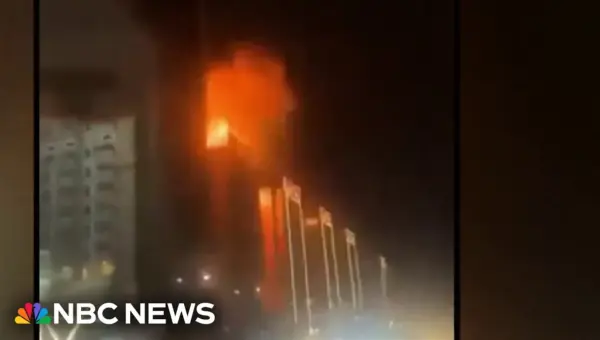
Iran Rejects Trump Peace Plan Amid Escalating Middle East Conflict
Iran has rejected a 15-point peace proposal from the Trump administration amid escalating tensions in the Middle East. The rejection comes as new attacks are reported across the region. Iran has presented its own five-point plan, demanding a halt to U.S. and Israeli actions.