US Weighs Ground War in Iran Amid Conflicting Reports
The Pentagon is reportedly preparing for potential ground operations in Iran, raising concerns about escalation. Conflicting messages from U.S. officials regarding war aims and timelines have created confusion. Experts question whether Iran's will to fight has been broken, a key factor in ending the conflict.

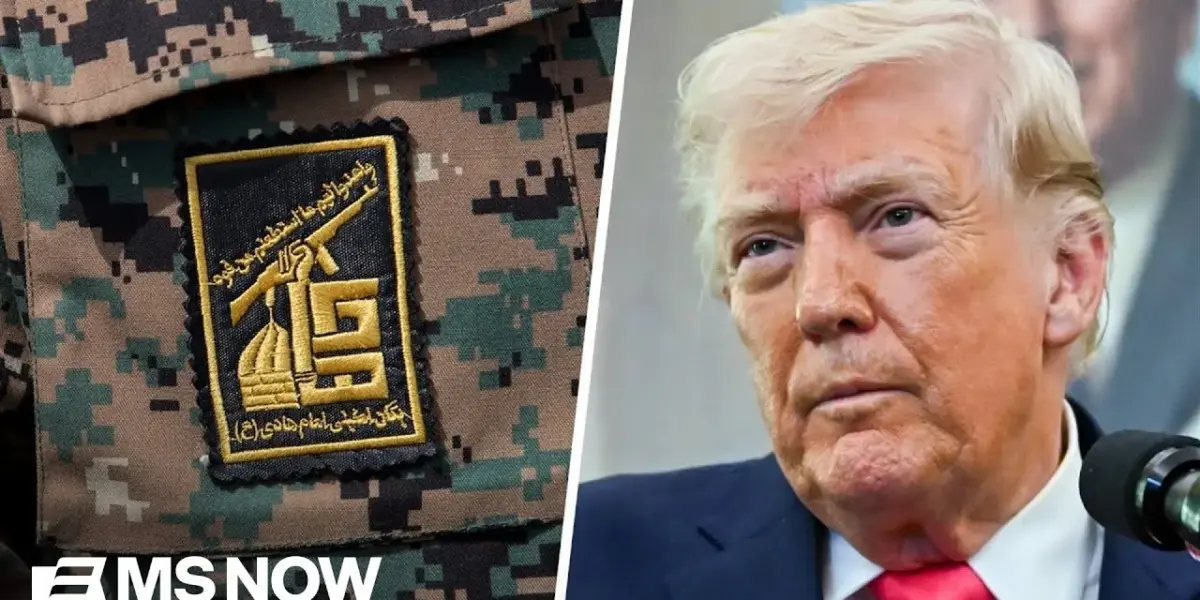
Pentagon Prepares for Ground Operations in Iran
The U.S. Pentagon is reportedly preparing for potential ground operations in Iran, a move that could escalate the ongoing conflict significantly. This plan, awaiting President Trump’s approval, could involve weeks of fighting. The prospect raises serious questions about the strategy and the safety of American troops.
Retired Major General Dana Pittard explained the possible objectives of such a ground operation. These could include securing the Strait of Hormuz, a vital shipping lane, or taking control of nuclear sites. There’s also the possibility of occupying islands in the Persian Gulf.
Pittard noted that existing U.S. Military presence in the region, including two Marine MEUs and the 82nd Airborne Division, already numbers around 10,000 to 12,000 personnel. This existing force could provide the President with more options, though a ground war is seen as a last resort.
Conflicting Messages on War Aims and Timeline
Reports from The Wall Street Journal suggest the Pentagon is considering sending an additional 10,000 troops. This would further increase the U.S. Military footprint.
General Pittard described this as “upping the ante,” potentially for security in the region or for limited actions against Iranian forces in strategic areas. However, this move appears to contradict recent statements from Secretary of State Marco Rubio.
Rubio stated on Friday that the operation was on or ahead of schedule and expected to conclude soon, possibly within two to four more weeks. He also indicated that objectives could be met without ground troops.
This creates a confusing picture, as White House correspondent Jeff Mason pointed out. Mason described the messaging as having “so many 180s” since the conflict began about a month ago.
Mixed Signals and Political Risks
The conflicting messages are difficult for the public and allies to understand. On one hand, officials suggest the war is winding down, especially in response to rising oil prices.
On the other hand, plans for ground operations and troop deployments suggest a prolonged or expanded conflict. This mixed messaging carries political risks for President Trump, particularly as the conflict continues and its ramifications become more apparent.
Mason noted that while many Republican supporters remain behind the President, a drawn-out conflict could hurt him politically. He observed this sentiment at CPAC in Dallas, where the longer the war lasts, the greater the potential backlash from both the base and the wider public.
Uncertainty Over War Objectives and Success
A key issue highlighted by General Pittard is the lack of clearly defined war aims. “How do you know it’s ending if you don’t know what the objective is overall?” he asked. While the U.S. Military has reportedly degraded Iran’s nuclear and missile capabilities, it has struggled to stop ongoing attacks against U.S. Allies in the Gulf or to reopen the Strait of Hormuz.
A Reuters report, citing five people familiar with U.S. Intelligence, suggests that only about a third of Iran’s missile arsenal has been destroyed. This information contrasts sharply with President Trump’s public statements about the success of the operations. Mason acknowledged that administrations often manage the narrative around military operations for national security reasons, but this situation feels particularly complex.
Breaking Iran’s Will: The Ultimate Goal?
General Pittard believes the core challenge is that Iran’s will has not been broken. He stated, “If this war is to end, Iran must be incentivized to come to the peace table.
And they are not right now.” Pittard suggests Iran believes it has leverage through its control of the Strait of Hormuz and the fact that not all of its missiles have been destroyed. The military’s focus has been on what has been destroyed, but the crucial element missing is breaking the enemy’s resolve.
The constant changes in timelines and the lack of certainty from the White House about the end game or final objectives make it difficult to assess progress. While preventing Iran from obtaining a nuclear weapon remains a stated goal, questions linger about whether the current military actions are effectively achieving this or other stated objectives, such as crippling Iran’s missile program.
Looking Ahead
The coming weeks will be critical in determining the path forward. President Trump’s decision on whether to approve ground operations will be a major turning point.
The clarity, or continued lack thereof, regarding U.S. War aims and the actual progress made against Iran’s military capabilities will shape both domestic and international perceptions of the conflict. The world is watching to see if the U.S. Can achieve its objectives without a full-scale ground war, and whether Iran’s resolve can ultimately be broken.
Source: ‘We haven’t been able to break Iran’s will’: Retired General explains why regime hasn’t conceded (YouTube)

Related Articles
US Forces Eye Iran With New Strategic Options
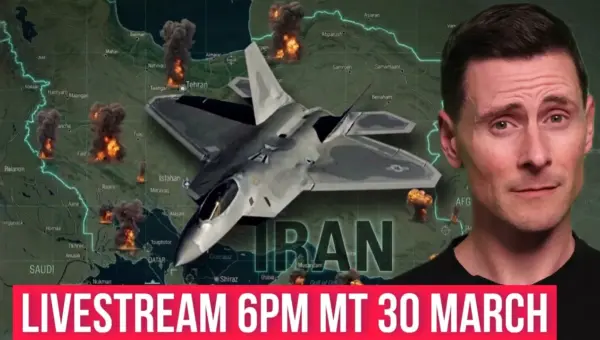
U.S. military forces are reportedly exploring strategic options for operations in Iran, favoring surgical strikes over large ground invasions. Analysis of potential Iranian military positions near the Strait of Hormuz highlights key strategic considerations. The approach signals a departure from past large-scale conflicts, emphasizing precision and avoiding protracted engagements.


War Ripples: Iran Conflict Drives Up Costs for Plastics, Fertilizer
The war involving Iran is causing significant economic disruptions far beyond higher gas prices. Essential products like fertilizer and plastics are seeing price surges due to disrupted shipping routes. This conflict is also increasing borrowing costs for consumers and potentially impacting food prices.

Markets Plunge Amid War Fears, Inflation Concerns
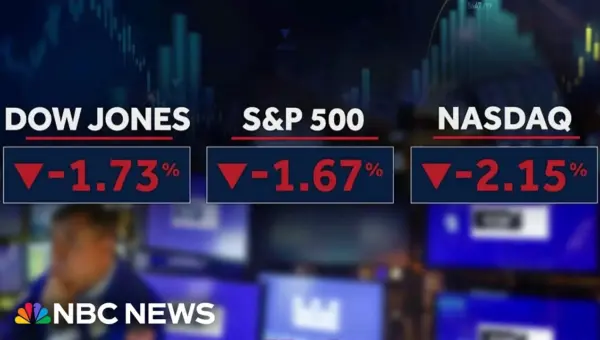
Major stock markets plunged this week, with the Dow entering correction territory amid fears of a prolonged war with Iran. Surging oil prices and rising mortgage rates are fueling concerns about inflation, prompting speculation of further interest rate hikes by the Federal Reserve. Investors are bracing for potential long-term damage to global energy infrastructure and a slowdown in economic growth.