Iran’s “Media War” Threatens Trump, Markets
Iran's "media war" strategy, using Western outlets to undermine President Trump, is a key tactic alongside potential ecological warfare in the Strait of Hormuz. This approach aims to sway public opinion and could impact markets. Investors are advised to monitor geopolitical narratives and their potential effects on oil prices and regional stability.

Iran’s “Media War” Threatens Trump, Markets
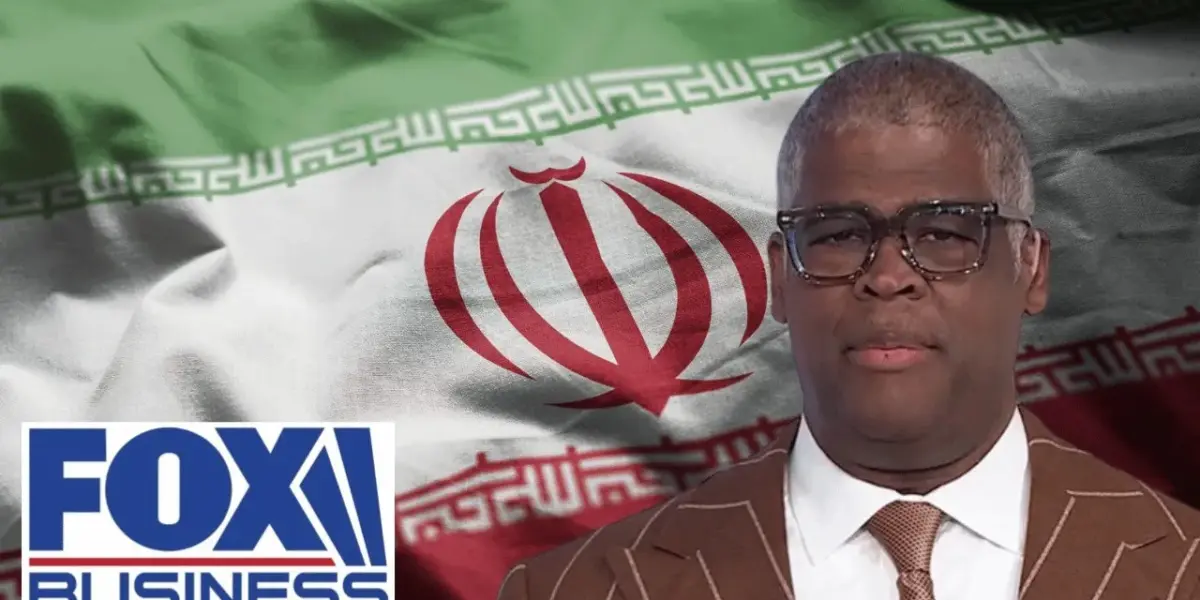
As an 8:00 PM deadline looms for Iran to reach an agreement with the White House, President Trump has identified ecological warfare in the Strait of Hormuz as Iran’s last major tactic. However, analyst Charles Payne suggests Iran has another, more subtle strategy already in play: using the Western media to undermine the President.
This media campaign, according to Payne, aims to humiliate President Trump and portray Iran as victorious. Some outlets are even suggesting that a U.S. win would be bad for the global community.
This approach has echoes of past events, like the stock market’s sharp downturn. This downturn was partly fueled by public fear, similar to how public opinion can sway markets.
The Power of Public Opinion in Conflict
Payne contrasts the current situation with historically popular wars. He points to World War II and the Afghanistan War, both of which followed surprise attacks like Pearl Harbor and 9/11. These events galvanized public support for military action.
He questions the wisdom of waiting for Iran to launch a direct attack on the U.S., Israel, or neighboring countries before acting. Such a move might eventually gain more public backing but would be significantly harder to win. This is why Payne praises a president who prioritizes the task at hand over popularity contests.
Human Shields and Media Blame
Reports indicate that Iranian citizens are being forced to surround power plants that could potentially be targeted. Those in charge in Iran are aware that if these civilians are harmed, Western media will likely blame President Trump. This tactic uses innocent people as human shields, intending to provoke a strong media backlash against the U.S.
The market could react negatively to such news, especially if it leads to increased tensions or perceived U.S. aggression. The strategy relies on manipulating public perception through media coverage. This can create significant political pressure, even without direct military confrontation.
Market Impact
The potential for Iran to use its citizens as human shields, coupled with a coordinated media narrative against President Trump, presents a dual threat. This could lead to increased market volatility in the short term. Investors will be watching closely for any escalation in rhetoric or actions that could impact oil prices or regional stability.
The long-term implications depend on how effectively the Trump administration counters this media strategy. If the narrative shifts public opinion against U.S. actions, it could complicate diplomatic efforts and potentially weaken the President’s position. Conversely, if the administration can effectively communicate its objectives and counter the narrative, it may mitigate some of the market’s sensitivity to these geopolitical developments.
What Investors Should Know
Investors should understand that geopolitical events, even those driven by media narratives rather than direct military action, can significantly impact financial markets. The Strait of Hormuz is a critical chokepoint for global oil supply. Any disruption, real or perceived, can lead to price spikes and affect industries reliant on stable energy costs.
The strategy of using media to influence public opinion and international perception is a key tactic in modern geopolitical conflicts. It’s crucial for investors to look beyond headlines and analyze the underlying motivations and potential market consequences. Understanding these dynamics can help in making more informed investment decisions during times of heightened geopolitical tension.
The deadline for Iran to come to terms with the White House is approaching, and the market will likely remain sensitive to developments in the coming days. Investors should monitor news flow from both official channels and independent media outlets to gauge the evolving situation.
Source: Iran has another trick, and it's already revealed itself: Charles Payne (YouTube)

Related Articles

Trump Extends Iran Deadline Amid Regional Skepticism
The Middle East views President Trump's extension of the Iran deadline as a familiar pattern of 'bluster.' This marks the third or fourth time Trump has backed down from an ultimatum, leading many in the region to believe his threats lack substance. Public life in Iran continues as usual, suggesting a lack of panic despite the ongoing diplomatic tensions.
Trump’s Iran Threat Sparks Concern Over Campaign Promises
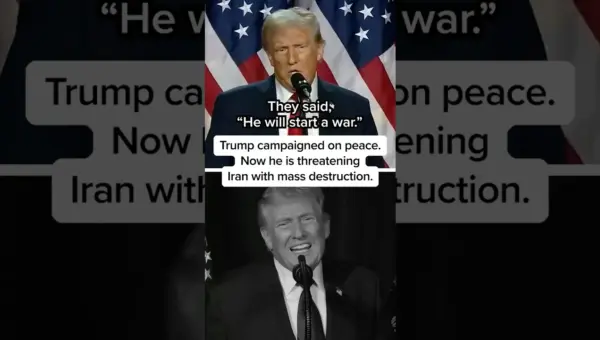
Donald Trump, who campaigned on a platform of avoiding new wars, is now reportedly issuing threats against Iran. This shift from his election rhetoric to aggressive language raises concerns about his foreign policy direction. Experts are watching closely for potential impacts on regional and global stability.
Trump Pauses Iran Strikes Amid Strait of Hormuz Dispute
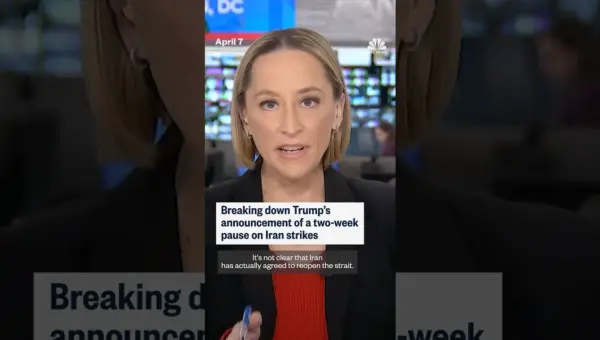
President Donald Trump has announced a two-week pause on military strikes against Iran, contingent on the nation reopening the Strait of Hormuz. U.S. officials have not yet confirmed if a ceasefire has begun, highlighting the uncertain nature of the announcement. Iran's continued drone and missile activity also raises questions about its military capacity.