Federal Courts Act as Check on Trump’s Second-Term Agenda
Federal courts are increasingly acting as a check on President Trump's second-term agenda, blocking key policies on immigration, health, and tariffs. Despite Congress's limited oversight, judges have intervened in over 150 cases. The Supreme Court, while sometimes siding with the administration, has also placed limits on presidential emergency powers.

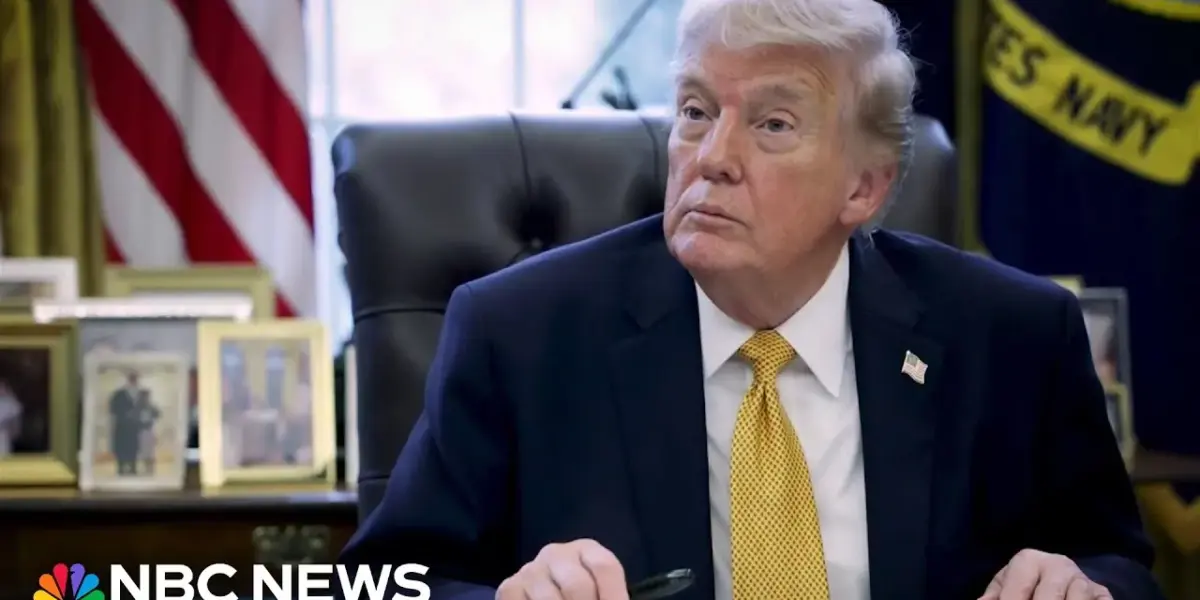
Courts Block Trump Policies
Federal courts across the nation have repeatedly stepped in to block, pause, or delay President Trump’s policies. This action comes as Congress has shown little interest in acting as a check on the president’s agenda.
Judges have found that many of these policies have crossed legal lines. This trend has become more pronounced over the past year.
The Brennan Center for Justice has tracked over 650 lawsuits filed against the Trump administration. Courts have ruled against the administration in over 150 decisions. These rulings cover a range of issues including immigration, health, and tariffs.
Many of these policies go further than those in Trump’s first term. They are often enacted with simple executive orders.
Recent Judicial Interventions
Just this week, a federal judge blocked changes to the childhood immunization schedule. The judge ruled that proper procedures were not followed.
The ruling also noted that many advisors on the committee lacked relevant vaccine experience. This highlights concerns about the process behind policy changes.
Last week, a federal judge in Washington stopped grand jury subpoenas aimed at the Federal Reserve. The judge found strong evidence that the subpoenas’ main purpose was to harass Federal Reserve Chairman Jerome Powell.
Powell has been a frequent target of the president’s criticism. This decision shows courts protecting institutions from perceived political interference.
President’s Response to Rulings
President Trump has not shied away from criticizing judges who rule against him. He has even spoken out against judges he appointed. The president expressed deep disappointment with a Supreme Court ruling on tariffs.
He stated he was ashamed of certain members of the court for not having the courage to do what he believed was right for the country. This shows a clear tension between the executive and judicial branches.
The harassment and threats faced by some judges who ruled against the Trump administration have been significant. Chief Justice John Roberts has spoken out about this disturbing trend.
He called personally directed hostility dangerous and stated it must stop. This indicates the personal toll these high-profile cases can take on the judiciary.
Supreme Court’s Role
Many of the most contentious cases have reached the Supreme Court. The court has been involved in cases at an earlier stage than historically typical.
Emergency appeals, which the court usually avoids unless truly necessary, have become more common. This suggests a higher level of judicial scrutiny on executive actions.
While the Supreme Court has often ruled in favor of the Trump administration, it has also imposed limits. The court allowed a ban on transgender military service members and facilitated the end of protections for certain immigrants.
However, it refused to allow the National Guard to be sent to Chicago. The court also struck down tariffs, a key part of the president’s economic plan.
Limits on Presidential Power
The Supreme Court has been firm in stating that presidential emergency powers have limits. This principle has been applied in various cases impacting the president’s agenda. The court’s actions show a consistent effort to define the boundaries of executive authority.
Future rulings will determine the president’s power to fire members of independent bodies like the Federal Trade Commission and the Federal Reserve Board. One of the president’s most significant immigration proposals, ending birthright citizenship for children born in the U.S., also faces potential judicial review. These high-stakes cases will offer further clarity on the balance of power.
Source: How federal courts have been stepping in on Trump's second-term agenda (YouTube)

Related Articles


Roberts Decries ‘Dangerous’ Attacks on Judges
Chief Justice John Roberts has warned that personal attacks against judges have become "dangerous." While acknowledging that criticism of court opinions is healthy, Roberts drew a sharp distinction between debating legal analysis and directing hostility towards individual judges. He emphasized that this shift risks undermining the integrity and independence of the judiciary.


Trump’s $3 Gas Promise Fades as Reality Sets In
President Trump's promise of $3 a gallon gas is facing delays and shifting timelines. As international tensions and market realities set in, the administration is tempering expectations, raising questions about political messaging and economic control.


US Loses Global Grip as Trump Allies Defy Peace Calls
The U.S. faces a critical juncture as it appears to lose control on the global stage, marked by prolonged international conflicts and domestic economic challenges. Allies seem to defy peace calls, while political figures clash with the Pope over the morality of war.