Iran’s Nuclear Threat Looms Amidst War: Uranium Security Questioned
International concern is mounting over the security of Iran's nearly 1,000-pound stockpile of highly enriched uranium amidst the ongoing conflict. Experts warn the material could be enriched to weapons-grade levels within a week, potentially fueling up to 11 nuclear weapons. Intelligence suggests Iran may be able to access uranium buried after past airstrikes, raising fears of it falling into the wrong hands.

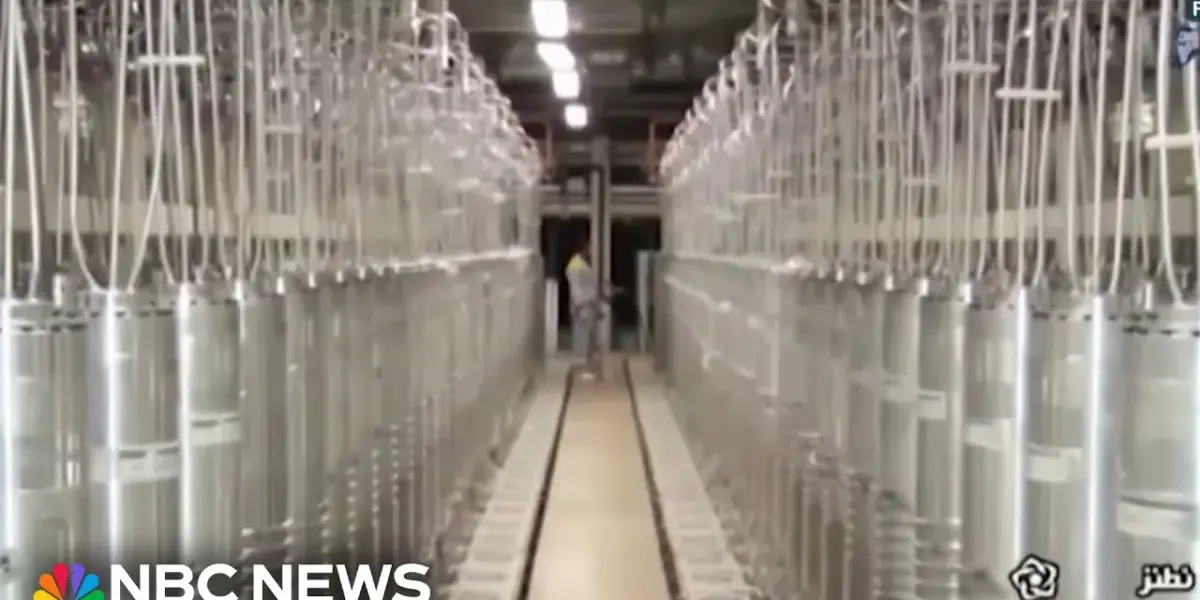
Iran’s Uranium Stockpile Raises Alarms Amidst Ongoing Conflict
As the conflict involving Iran enters its third week, a critical question weighs heavily on international minds: how to secure Iran’s substantial stockpile of highly enriched uranium. The United Nations’ nuclear watchdog estimates Iran possesses nearly 1,000 pounds of this sensitive material. Experts warn that it could take as little as one week to enrich this uranium to weapons-grade levels, with enough material potentially available for up to 11 nuclear weapons.
Calls for Action to Secure Nuclear Material
John Bolton, a former National Security Advisor under President Trump and a vocal critic of current policies, has long advocated for a firm stance on Iran’s nuclear program. He stressed the importance of removing the material from Iran’s control, stating, “It would not be a success under any circumstances if we left the material in Iran.” Bolton expressed concerns that the uranium could fall into the hands of terrorist groups, other rogue states, or malicious actors.
Iran’s Stance on Nuclear Facilities
Iranian officials maintain that their highly enriched uranium remains in its original locations. They claim that their nuclear facilities were targeted by American airstrikes last year, leaving the materials buried. “Our nuclear facilities were attacked and everything is under the rubble,” an official stated.
“Of course, you know, there is the possibility to retrieve them for the time being. We have no program. We have no plan to recover them from under the rubble.”
Intelligence Reports Suggest Potential Access to Uranium
However, recent intelligence assessments suggest Iran might be actively working to access this buried uranium. According to The New York Times, citing multiple officials familiar with classified reports, American intelligence believes Iran could potentially reach the stored material. Avner Villain, a former Israeli intelligence official and expert on Iran, explained that the uranium is stored in powder form within canisters at room temperature, making it easily movable.
“You take it with a backpack and then you know it doesn’t have to be in that,” Villain said. “These canisters, you could turn it into other forms as well.”
Challenges of a Potential Retrieval Operation
Any attempt to physically retrieve the enriched uranium would likely involve a complex and lengthy excavation process. Such an operation, potentially lasting weeks, would have to be conducted in the middle of an active war zone.
Questions have arisen about whether troops currently being deployed to the Middle East could be tasked with such a mission. Public descriptions of troop movements suggest this possibility, though details remain scarce.
Temporary Solutions and Long-Term Risks
Even a successful, albeit risky, American operation to remove the uranium might only offer a temporary solution. Experts caution that if the Iranian regime remains determined to develop nuclear weapons, they could pursue alternative methods to acquire the necessary materials. This ongoing risk highlights the dangerous possibilities shaping the current conflict and the broader geopolitical implications.
Broader Context of Iran’s Nuclear Ambitions
Iran’s nuclear program has been a source of international concern for decades. Despite international sanctions and diplomatic efforts, the country has continued to advance its capabilities.
The current conflict has further complicated efforts to monitor and control Iran’s nuclear activities. The potential for Iran to develop nuclear weapons has significant implications for regional stability and global security, raising fears of a nuclear arms race in the Middle East.
International Scrutiny and Monitoring Efforts
The International Atomic Energy Agency (IAEA) plays a key role in monitoring Iran’s nuclear program. However, access and transparency have been challenges, particularly amid heightened tensions.
The agency’s reports on Iran’s uranium enrichment levels and activities are closely watched by world governments. The current situation puts increased pressure on the IAEA and international partners to find verifiable ways to ensure Iran’s nuclear materials are not diverted for weapons purposes.
What to Watch Next
As the conflict continues, attention will remain focused on the security of Iran’s nuclear material. Observers will be closely monitoring intelligence assessments regarding Iran’s access to its enriched uranium and any potential international efforts to secure it. The coming weeks will likely reveal more about the effectiveness of current monitoring mechanisms and the strategies being considered to mitigate the risks associated with Iran’s nuclear program.
Source: Questions arise about Iran's highly enriched uranium amid war (YouTube)

Related Articles


US Policies Are ‘Ballast’ Amid Global Uncertainty
American policies are acting as a crucial stabilizing force, or 'ballast,' amidst heightened global geopolitical uncertainty. Efforts to prevent Iran from acquiring nuclear weapons are highlighted as vital for future economic and energy security, especially concerning the Strait of Hormuz.

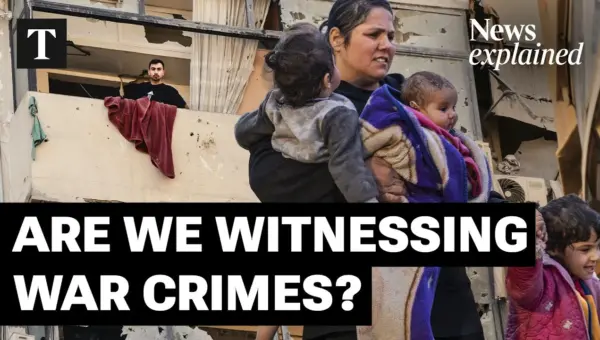
Israel Ground Offensive Sparks Lebanon Humanitarian Crisis
Israel's ground offensive in southern Lebanon, following intense bombing, has triggered a major humanitarian crisis. Tens of thousands of civilians are displaced, with over a million people forced from their homes. The UN Human Rights Office has raised concerns about potential war crimes due to attacks on civilian areas.
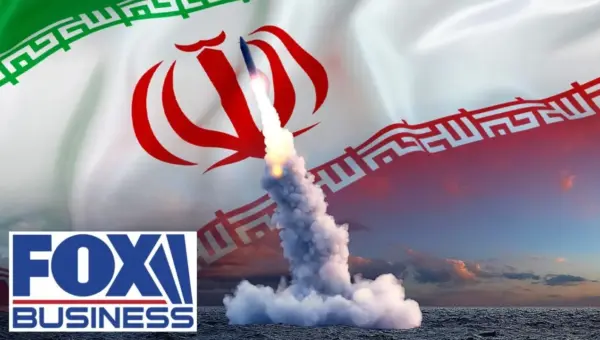
Iran’s Military Hit Hard, Analysts Debate Threat Level
Devastating strikes have crippled Iran's missile production and stockpiles, but a debate continues over the country's immediate threat level. Israel is intensifying targeted operations against Iranian leaders, while economic warfare targeting oil exports, like at Kharg Island, is being considered.