US Loses Global Grip as Trump Allies Defy Peace Calls
The U.S. faces a critical juncture as it appears to lose control on the global stage, marked by prolonged international conflicts and domestic economic challenges. Allies seem to defy peace calls, while political figures clash with the Pope over the morality of war.

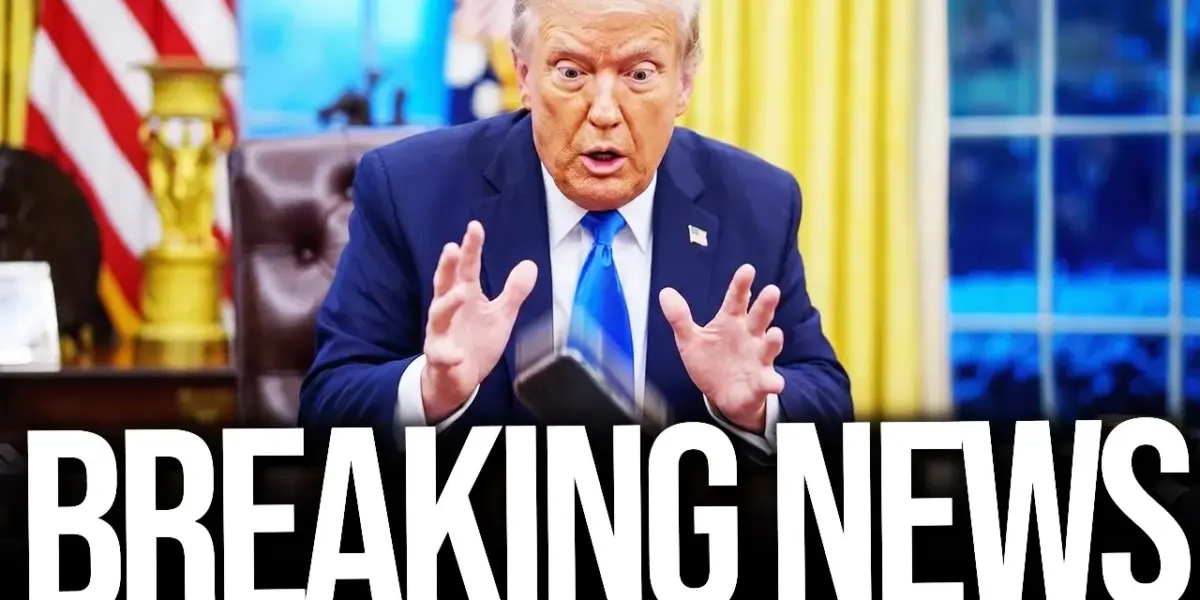
US Global Influence Wanes Amidst Escalating Conflicts and Domestic Turmoil
The United States appears to be losing its grip on the global stage, with key allies and domestic policies contributing to a sense of chaos and diminished control. Recent events suggest a complex web of international entanglements and domestic challenges that are testing American leadership. The situation is particularly stark in the Middle East, where the ongoing conflict involving Israel and its neighbors is drawing the U.S. deeper into a quagmire it seems unable to extricate itself from.
Israel’s War and U.S. Complicity
A significant concern raised is the United States’ deep financial and military support for Israel. With the U.S. funding a substantial portion of Israel’s military and intelligence operations, and supplying much of its weaponry, the U.S. finds itself inextricably linked to the conflicts. Reports indicate that while the U.S. seeks an “off-ramp” or a de-escalation of the current hostilities, Israel continues to pursue its military objectives, effectively prolonging the war. This dynamic raises questions about who is truly in control of U.S. foreign policy in the region.
The Trump administration, in particular, is criticized for being overly influenced by pro-Israel donors. This alleged dependence is seen as a barrier to pursuing a more independent and de-escalatory foreign policy. The consequence, according to critics, is the continued entanglement of America in protracted conflicts, undermining its global standing and potentially leading to further instability.
Economic Woes and Political Backlash
Beyond foreign policy, the domestic economic situation is also a point of contention. Tariffs imposed during the Trump administration are cited as a reason for the current economic struggles, including rising inflation. While official statements have claimed a decrease in gas prices over the past year, data suggests a different reality, with prices remaining high or even increasing. This disconnect between official narratives and public experience fuels public frustration and raises doubts about the administration’s economic management.
The upcoming mid-term elections are seen as a potential indicator of public dissatisfaction. The perceived loss of control on the global stage and economic anxieties could translate into significant political challenges for the current administration and its allies.
Clash of Values: Trump Allies vs. The Pope
A peculiar and revealing conflict has emerged between allies of Donald Trump and the Pope himself. This dispute centers on the morality of war and the role of religious leaders in political discourse. Figures like House Speaker Mike Johnson and Senator JD Vance have defended Trump’s criticism of the Pope, suggesting that religious leaders should be cautious when commenting on political matters. They argue that if the Pope enters political waters, he should expect a political response.
The Pope’s statements on war, particularly his implied critique of prolonged or unjust conflicts, have been met with a surprisingly defensive reaction from prominent Catholic figures within the Trump administration. This has led to accusations that they are siding with Trump over their own religious leader.
Critics find this stance deeply problematic, especially given the historical role of Popes in speaking out against war and advocating for peace. The pushback from Trump’s allies against the Pope’s moral guidance is seen by some as a sign of a broader shift, where political expediency or loyalty to a leader outweighs deeply held religious or ethical principles. This internal conflict highlights a potential divergence in values and a willingness to engage in controversial debates, even with the head of the Catholic Church.
Why This Matters
The United States’ perceived loss of control on the global stage has significant implications. It can embolden adversaries, weaken alliances, and create vacuums that other powers may seek to fill. The entanglement in prolonged conflicts drains resources and public trust, while domestic economic instability can lead to social unrest and political polarization. The willingness of political figures to engage in public disputes with religious leaders on fundamental moral issues like war also raises questions about the integrity of public discourse and the role of faith in policy-making.
Historical Context and Future Outlook
Historically, the United States has often positioned itself as a global leader, promoting stability and peace. However, periods of overextension, controversial foreign policy decisions, and domestic challenges have, at times, led to questioning its role and influence. The current situation echoes some of these past concerns, suggesting that the U.S. is at a critical juncture.
The future outlook depends on how these complex issues are addressed. A more restrained and strategic foreign policy, coupled with effective domestic economic management and a commitment to ethical principles in public life, could help restore confidence. Conversely, continued entanglement in conflicts, economic instability, and divisive rhetoric could further erode U.S. influence and lead to a more chaotic global environment. The coming months, especially with approaching elections, will likely offer clearer indications of the path forward.
Source: Trump Loses Control of EVERYONE as Chaos Erupts (YouTube)

Related Articles
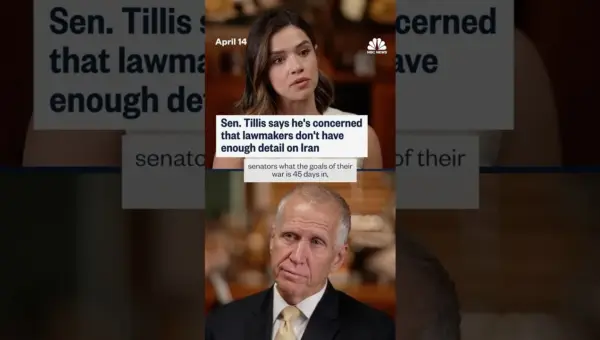
Senator Tillis Demands Clarity on US Goals in Iran Conflict
Senator Thom Tillis is demanding more details from the White House about U.S. goals in the Iran conflict, citing a lack of information for senators and rising gas prices. He stressed that Congress needs specifics before approving significant funding requests.
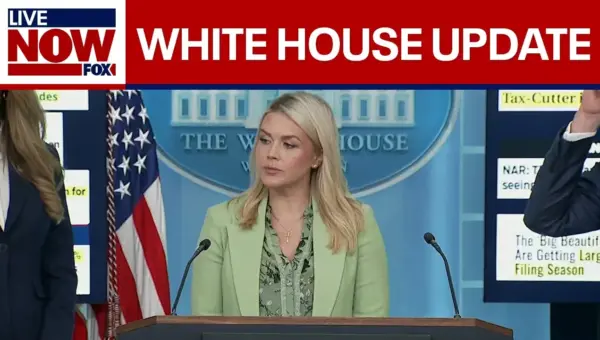
Trump Tax Cuts Deliver Billions Back to Americans
White House officials detailed the success of President Trump's "working families tax cuts" on Tax Day, reporting that over 53 million Americans have claimed significant tax savings and historic refunds. Treasury Secretary Scott Bessant and Small Business Administrator Kelly Leler highlighted benefits for individuals and small businesses, while also addressing economic outlook and international matters.
Iran War Costs Mount, Deal Prospects Dim
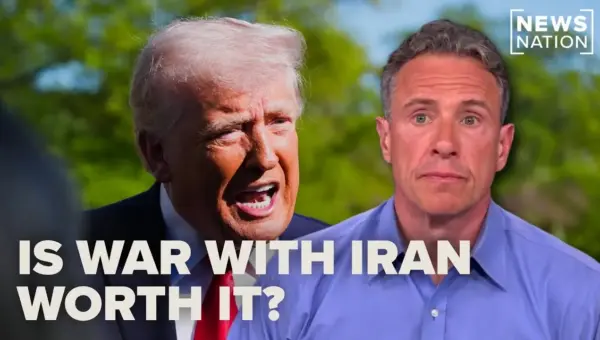
The war in Iran is costing the U.S. billions daily, impacting inflation and healthcare costs. While military gains are noted, concerns remain about Iran's nuclear ambitions and the lack of a clear diplomatic path. A "grand bargain" is sought, but the economic and human costs at home are rising.