Evergrande Founder Admits Guilt as China’s Property Crisis Deepens
Evergrande founder Xu Jiayin has pleaded guilty to multiple charges including illegal fundraising and fraud. This admission comes as China grapples with its deepening property crisis, which Evergrande's massive debt helped to trigger. The case highlights the human cost of unchecked real estate development and Beijing's efforts to regain control.

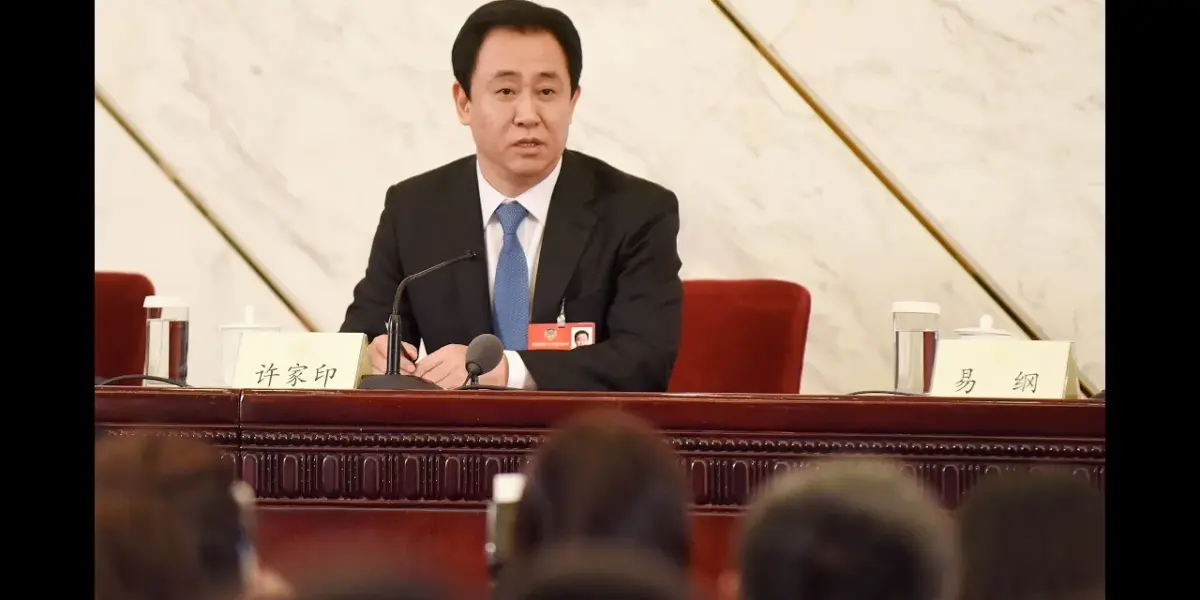
Evergrande Founder Admits Guilt as China’s Property Crisis Deepens
Xu Jiayin, the founder of the world’s most indebted property developer, Evergrande Group, has pleaded guilty to multiple charges in China. This admission comes as the fallout from Beijing’s real estate crisis continues to spread. State media reported that Xu admitted to illegal fundraising, bribery, fraud, and illegally issuing securities.
He has been under police control since September 2023 and now faces a potential life sentence and asset confiscation. The charges mark a significant moment in China’s ongoing property market struggles, which Evergrande’s troubles helped to ignite.
The Rise and Fall of a Real Estate Giant
Evergrande’s financial woes first became public knowledge years ago, eventually triggering a broader property crisis across China. The company officially defaulted in 2021, burdened by more than $300 billion in debt. This vast sum highlights the scale of the financial challenges faced by the company and the Chinese economy.
Xu Jiayin started Evergrande in 1996, turning a risky early real estate venture into a company that expanded rapidly across the nation. The company’s strategy involved heavy borrowing to fuel its quick growth, but this approach eventually became unsustainable. By the end of 2009, Evergrande had projects in dozens of major Chinese cities, showing its extensive reach.
Impact on Home Buyers and the Economy
The company’s aggressive expansion often relied on pre-sales, where buyers paid for homes before they were built. Many Chinese families invested their life savings into Evergrande properties, only to see their dreams of homeownership vanish as projects remained incomplete. These unfulfilled promises have caused immense personal hardship for countless individuals.
The Evergrande crisis is a symptom of larger issues within China’s property sector. For years, the government encouraged rapid development, but this led to overbuilding and a reliance on debt. Now, Beijing is trying to manage the situation, but the consequences are widespread, affecting banks, suppliers, and millions of homebuyers.
Why This Matters
Xu Jiayin’s guilty plea is a major development in China’s efforts to address its property market crisis. It signals a move by Beijing to hold individuals accountable for financial misconduct and to reassert control over the real estate sector. The outcome of his trial and the fate of his assets will send a strong message about the government’s approach to corporate responsibility.
This case is also important because it highlights the human cost of unchecked financial growth and risky business practices. The uncompleted homes represent lost savings and broken trust for many families. The government’s response will be closely watched to see if it can restore confidence in the property market and protect ordinary citizens.
Looking Ahead
The Chinese government has been implementing policies to stabilize the property market, but the challenges are significant. Evergrande’s situation is just one example of the deep-seated problems that need to be resolved. The long-term outlook for China’s real estate sector remains uncertain as authorities try to balance growth with financial stability.
Future government actions will likely focus on deleveraging the property sector, ensuring the completion of unfinished projects, and preventing similar crises from occurring again. The legal proceedings against Xu Jiayin are a key part of this broader effort to reform the industry and rebuild public trust. The trial’s conclusion and the sentencing of Xu Jiayin are expected in the coming months.
Source: Evergrande Founder Xu Jiayin Pleads Guilty in China Trial (YouTube)

Related Articles


The Great Exodus: Foreigners Fleeing China Amidst Shifting Policies and Declining Welcome
A significant number of foreigners are reportedly leaving China due to a combination of factors including rising nationalism, the lingering effects of COVID-19 lockdowns, economic downturns, and increasing internet censorship. This exodus signals a shift in the country's global appeal and the challenges faced by expatriates.


China’s ‘Future’ Facade: A Critical Look Beyond the Propaganda
A critical analysis of China's global image reveals a stark contrast between its manufactured facade of progress and a reality marred by environmental destruction, economic instability, and suppressed freedoms. The transcript argues that China's technological advancements are largely based on stolen intellectual property, with a focus on mass production over genuine innovation.


Pakistan Navigates Tehran’s Tense Diplomacy
Pakistani officials are mediating talks between Iran and the US amid rising tensions, while the US also works to calm conflict between Israel and Lebanon over Hezbollah. Israel remains militarily prepared and committed to disarming Hezbollah.