CA Governor Race: Parties Clash on Taxes, Spending, and Vision
California's gubernatorial primary showcases a sharp divide between Republican and Democratic candidates on taxes and spending. While Republicans united against one-party rule, Democrats debated their internal visions and faced criticism over policy details and past business dealings.

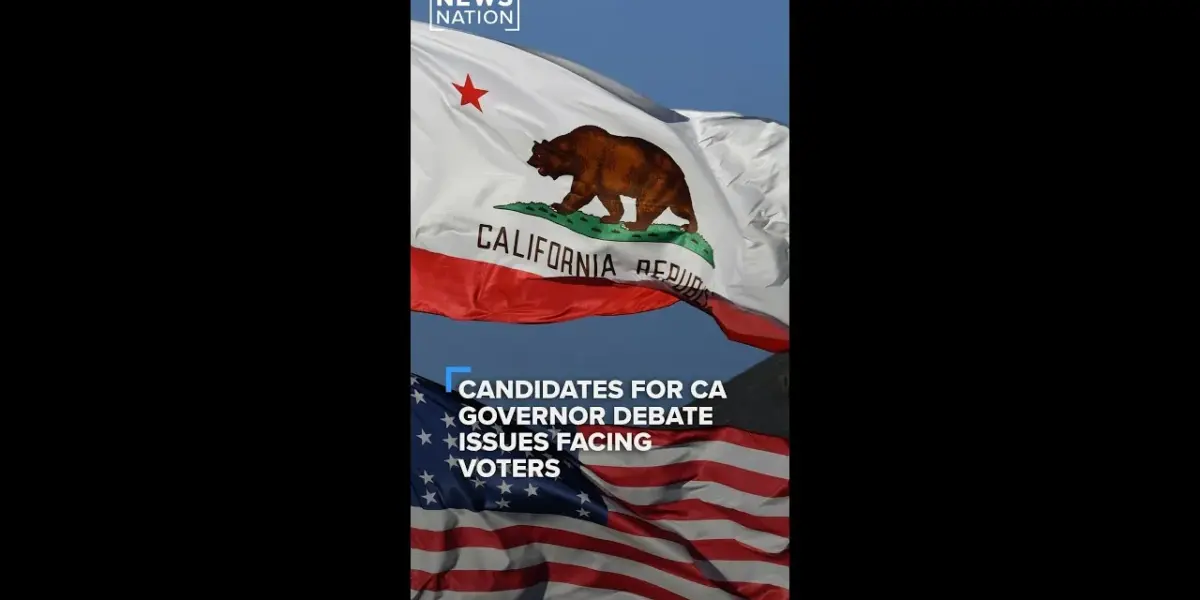
California Governor’s Race Heats Up in Crowded Primary
California’s gubernatorial primary is shaping up to be a stark contrast between the state’s major political parties. Republican candidates Steve Hilton and Chad Bianco presented a clear message to voters, focusing on fiscal responsibility and a critique of current state leadership. Their Democratic counterparts, however, engaged in lively debates amongst themselves, highlighting different approaches to governing the Golden State.
The Republican strategy centered on a strong opposition to what they described as the Democratic party’s unchecked spending habits. Sheriff Chad Bianco directly accused Democrats of having an insatiable appetite for raising taxes, arguing that they consistently take more of the public’s money. This viewpoint suggests a core Republican belief in limited government intervention and lower tax burdens for citizens.
Democrats Spar Over Future of California
Within the Democratic field, candidates were not shy about criticizing each other as they vied to become the party’s leading contender. The debate revealed significant differences in their proposed policies and priorities for California. This internal competition is a common feature of primary elections, as candidates try to differentiate themselves to voters.
One notable exchange involved former Los Angeles Mayor Antonio Villaraigosa and environmental advocate Michael Shellenberger. Shellenberger questioned Villaraigosa’s policy proposals, pointing out a lack of specific financial details. He stated, “Mr. Villaraigosa, you have all these lovely plans, but there are never any numbers.” This criticism suggests a focus on practical implementation and fiscal accountability.
Villaraigosa, in turn, defended his experience in managing public funds. He highlighted his past role as Secretary of Health and Human Services, stating he had to balance four budgets during his tenure. This defense emphasizes his background in government administration and his ability to handle financial responsibilities.
Another point of contention arose regarding billionaire candidate Tom Steyer. Michael Shellenberger raised concerns about Steyer’s past business dealings, specifically mentioning his involvement with private prisons and ICE detention centers. “keeping in mind, uh, you know, the only housing Tom Steyer has built has been private prisons and ICE detention centers,” Shellenberger remarked.
Steyer responded by embracing his identity as a wealthy outsider and a “change agent” for the state. He acknowledged his financial status but framed it as an asset for bringing about necessary reforms. “So, when you say I’m the only billionaire in the race, yes, but I’m the person who is the change agent in this state,” Steyer declared.
Republicans United Against One-Party Rule
While the Democrats were actively debating their internal differences, the Republican candidates presented a more unified front. Steve Hilton and Chad Bianco largely agreed on their central message: ending what they perceive as 16 years of one-party Democratic rule in California. This shared goal indicates a strong desire for a political shift in the state’s leadership.
The Republican platform, as presented in the debate, appears to be a direct response to the current political climate in California. Their focus on fiscal issues and ending Democratic dominance suggests they believe these are the most pressing concerns for voters. This strategy aims to rally voters who are dissatisfied with the status quo.
Why This Matters
The primary debates offer a crucial glimpse into the competing visions for California’s future. The stark differences between the Republican and Democratic candidates highlight the fundamental choices voters face. Will the state continue on its current path, or will a new political direction emerge?
For Republicans, the debate is about reining in government spending and lowering taxes, aiming to attract voters concerned about the state’s fiscal health. For Democrats, the challenge is to convince voters that their individual approaches to issues like housing, climate change, and social programs are the best way forward. The internal Democratic squabbles also reveal potential weaknesses or strengths that could impact the general election.
Implications and Future Outlook
The primary season is more than just a popularity contest; it’s a test of each party’s ability to articulate a compelling vision and connect with voters’ concerns. The candidates’ performances and the issues they emphasize will shape the broader political narrative in California for the coming years.
The Republican message of fiscal conservatism and an end to one-party rule could resonate with a significant portion of the electorate. Meanwhile, the Democratic candidates must effectively navigate their internal disagreements to present a united front against their Republican rivals. The outcome of these primaries will set the stage for a potentially intense general election battle.
Looking ahead, voters will be watching to see if candidates can move beyond partisan talking points and offer concrete solutions to California’s complex challenges. The candidates’ ability to connect with everyday Californians, not just party insiders, will be key to their success. The election will ultimately decide the direction of one of the nation’s largest and most influential states.
The next key date for California voters is the primary election itself, where they will cast their ballots to determine who will advance to the general election in November.
Source: Candidates for California governor debate issues in crowded primary | NewsNation (YouTube)

Related Articles

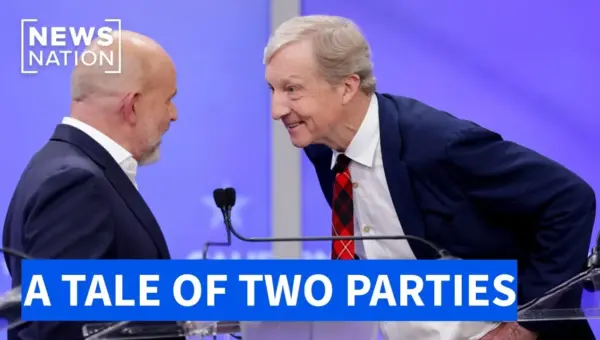
California Governor Hopefuls Clash: A Tale of Two Parties
California gubernatorial hopefuls clashed in a Nexstar debate, revealing stark divides between the parties. Republicans united against Democratic leadership, while Democrats fiercely competed for frontrunner status. The race is also shaped by the impact of Eric Swalwell's withdrawal.
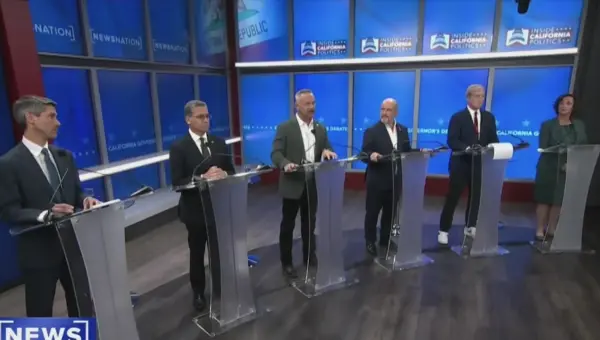
California’s Homelessness Crisis: Candidates Grade Newsom’s Efforts
California gubernatorial candidates debated Governor Newsom's handling of the homelessness crisis, offering letter grades and proposing alternative solutions. Discussions ranged from prioritizing addiction treatment to emphasizing housing prevention and accountability for state funds.
California Democrats Target Watchdogs, Ignore Taxpayer Fraud
California Democrats are reportedly targeting journalists and whistleblowers who expose taxpayer fraud, instead of going after the perpetrators. New legislation could further silence these watchdogs, while millions in taxpayer money are lost to scams in sectors like hospice care.