Trump’s Navy Orders Spark Global Firestorm
President Trump's directive for the U.S. Navy to fire on Iranian boats in the Strait of Hormuz, based on a disputed claim of mine-laying, has sparked significant controversy. The author criticizes the order as delusional and highlights concerns about the appointed acting Navy chief's past remarks.

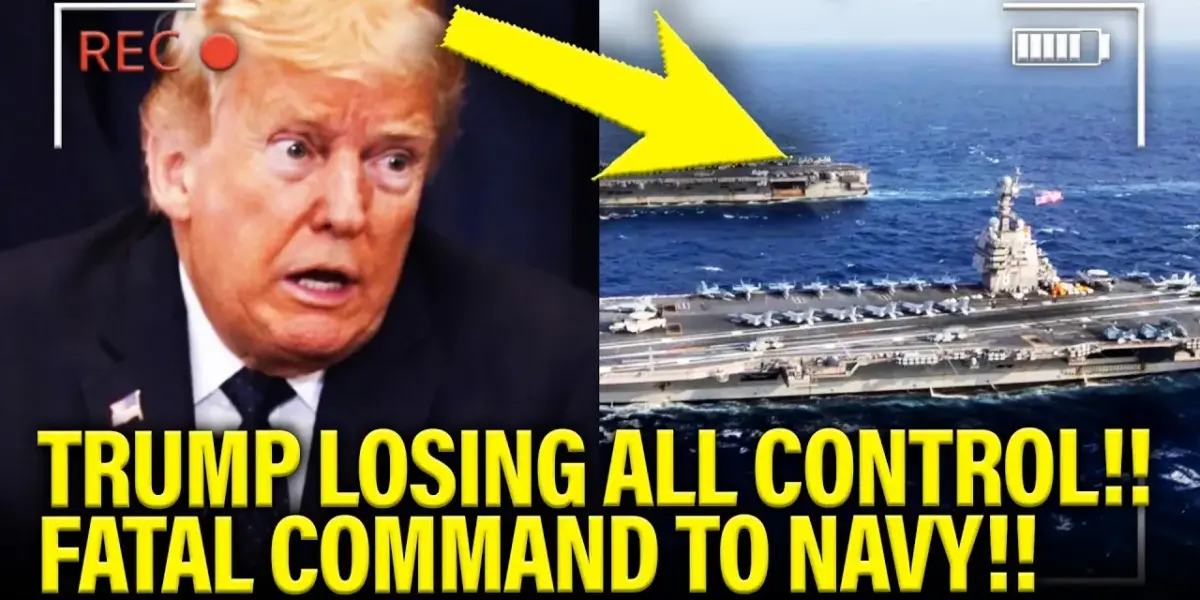
Trump’s Navy Orders Spark Global Firestorm
President Donald Trump recently issued a striking directive to the U.S. Navy, ordering them to fire upon and sink any Iranian boats that place mines in the Strait of Hormuz. This command came shortly after Trump dismissed the acting Navy chief, John Felin, and appointed a new interim leader, Young Cow. The president claimed the U.S. Navy was engaged in a mine-clearing operation in the strait, a notion the author of the transcript strongly disputes, calling it fictitious.
Trump’s public statements on social media detailed this order, demanding no hesitation from the Navy. He also stated that U.S. mine sweepers were working to clear the strait and that this operation should be tripled. This directive follows a period of heightened tensions and an announced indefinite ceasefire, making the order to open fire particularly concerning to many observers.
A Fictional Scenario?
The transcript argues that Trump fabricated the scenario of an ongoing U.S. mine-clearing operation in the Strait of Hormuz. According to the analysis, Trump ordered this non-existent operation to be tripled and then instructed the new acting Navy chief to command the Navy to engage Iranian ships. This action is described as completely delusional, especially given the existing ceasefire.
The author points to Trump’s social media posts as evidence of this fabricated reality. One post claimed total control over the Strait of Hormuz, stating no ship could pass without U.S. Navy approval until Iran made a deal. This assertion is challenged, with the transcript noting that Iran has managed to get cargo ships through a specific route along its coast.
Unstable Diplomacy and Leadership Concerns
The piece questions the stability of diplomatic efforts when dealing with a leader perceived as erratic. The author highlights Trump’s contradictory statements, including claims of infighting between Iranian factions and assertions of controlling maritime traffic. These statements are presented as untruthful and counterproductive to any meaningful negotiation.
Further concerns are raised about the appointment of Young Cow as the acting Navy chief. The transcript includes clips suggesting Cow has made controversial and offensive jokes, including one referencing the Ku Klux Klan and another about witchcraft in California. These remarks, along with his explanation of being African-American because he lived in Africa, are presented as indicative of questionable judgment and behavior for such a high-ranking position.
International Reactions and Perceptions
Iran’s IRGC intelligence organization reportedly reacted to Trump’s claims about division within Iran. They are quoted as pointing out a drop in Trump’s popularity and criticism of his performance by officials and media. This reaction suggests that Trump’s pronouncements are not viewed as credible or effective on the international stage.
The transcript also touches on the U.S. government’s response, featuring Interior Secretary Doug Burgum’s reaction to the Navy order. Burgum stated that the order was not an escalation but rather an example of Trump’s ability to use leverage for a beneficial deal. This perspective frames the aggressive directive as a strategic negotiation tactic.
Why This Matters
The events described highlight the potential for impulsive or fabricated directives from a head of state to escalate international tensions and complicate diplomatic efforts. The reliance on social media for significant foreign policy pronouncements introduces a layer of unpredictability. The character and past statements of key appointed officials can raise questions about the seriousness and stability of a nation’s foreign policy.
This situation highlights the delicate balance between assertive foreign policy and diplomatic engagement. When communication channels are perceived as unstable or driven by personal rhetoric rather than established policy, the risk of miscalculation and unintended conflict increases significantly. The author suggests that such behavior makes productive discussions with other nations nearly impossible.
Implications and Future Outlook
The transcript suggests that Trump’s approach to foreign policy, particularly his use of social media and aggressive rhetoric, creates a volatile environment. This can lead to a stalemate in negotiations, as other nations may refuse to engage due to fear of misrepresentation or unpredictable reactions. The author characterizes this as a repeating cycle of perceived failure and brinkmanship.
The example of Eric Trump’s company receiving a Pentagon contract during a period of conflict is also presented as evidence of potential conflicts of interest or what the author calls a “grift.” This raises broader questions about transparency and the use of public funds during times of international instability.
Historical Context
The Strait of Hormuz has long been a critical chokepoint for global oil supplies and a frequent site of naval activity and tension between Iran and Western powers. Throughout various administrations, the U.S. has maintained a naval presence in the region to ensure freedom of navigation and deter threats. However, the specific nature of Trump’s orders—to initiate firing based on a potentially fabricated premise—represents a departure from typical diplomatic and military communication protocols.
The practice of using social media platforms for major foreign policy announcements is a relatively recent development. This method can bypass traditional diplomatic channels, leading to quicker dissemination of information but also increasing the risk of misinterpretation and immediate escalation without the benefit of careful deliberation and consultation.
Looking Ahead
The analysis concludes by pointing to ongoing diplomatic challenges, such as the reported lack of interest from Lebanese officials in meeting with Israeli Prime Minister Netanyahu, as further examples of complex international relations.
Source: Trump makes FATAL COMMAND to US NAVY as FIRING CHIEF!!! (YouTube)

Related Articles
Trump Orders Navy to Shoot Iran Boats in Strait of Hormuz
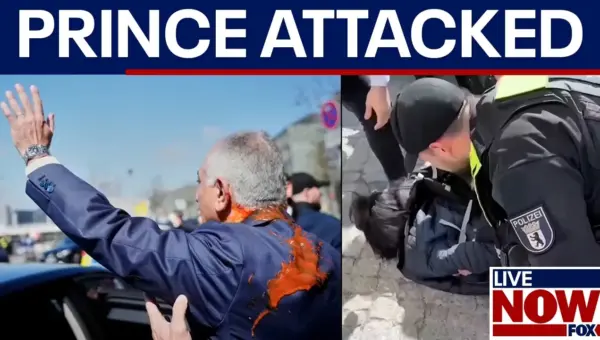
President Trump has ordered the U.S. Navy to "shoot and kill" any Iranian boats attempting to place mines in the Strait of Hormuz, escalating regional tensions. Meanwhile, exiled Iranian Crown Prince Reza Pahlavi was attacked in Berlin after criticizing U.S.-Iran talks. Geopolitical experts highlight the strait's critical role in global trade and the complex diplomatic and military dynamics at play.

Oil Prices Surge as Iran Seizes Ships, Disrupts Trade
Tensions in the Strait of Hormuz have escalated, with Iran seizing commercial vessels and the U.S. blockading oil exports. This dual pressure is driving oil prices above $103 per barrel and threatening global supply chains. Despite rising risks, stock markets remain surprisingly resilient, buoyed by AI optimism and expectations of a swift resolution.

Trump’s Ukraine Stance Unlikely to Shift, Ex-FM Kuleba States
Former Ukrainian Foreign Minister Dmytro Kuleba stated that Donald Trump's stance on Ukraine is unlikely to change significantly, regardless of Kyiv's actions. Kuleba cited Trump's desire to avoid feeling indebted and his ego as key factors influencing his consistent approach. This suggests a transactional foreign policy focus that prioritizes U.S. autonomy over existing commitments.