GOP Groups Hold $600M Fundraising Edge Ahead of Midterms
Groups aligned with the Republican Party hold a significant fundraising advantage, with over $843 million compared to $1.5 million for Democratic groups, ahead of the midterm elections. While Democrats are seeing success with small-dollar donors and anti-establishment sentiment, the GOP's financial edge could influence strategies, particularly in red states.

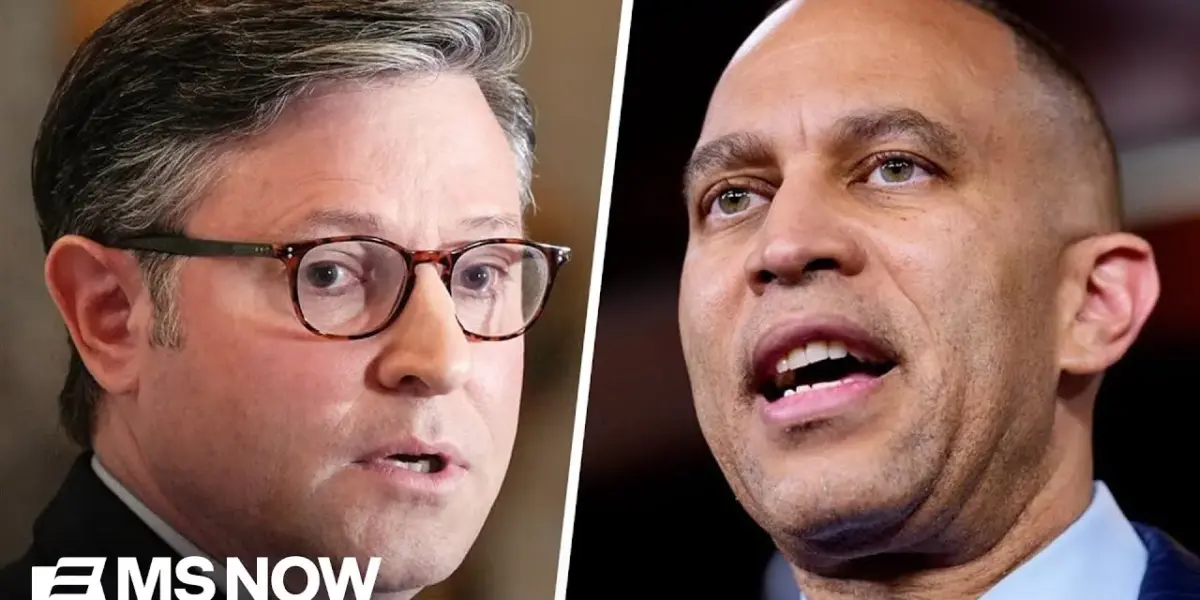
GOP Groups Amass Significant Fundraising Advantage
Groups aligned with the Republican Party have amassed a substantial financial advantage over their Democratic counterparts heading into the midterm elections. Reporting from The New York Times indicates that these GOP-aligned organizations hold over $843 million, creating a nearly $600 million gap compared to the $1.5 million held by Democratic groups.
This significant fundraising edge for Republican committees, which support Senate and House candidates, is further amplified by the Republican National Committee’s $120 million advantage over the Democratic National Committee. While money is not the sole determinant of election outcomes, this financial disparity could play a key role in campaign strategies and outreach efforts.
Campaign Spending and Strategic Implications
The substantial war chest held by Republican groups raises questions about how this money will be strategically deployed. Following a redistricting win for Democrats in Virginia, the discussion among political analysts centers on whether conventional political strategies are sufficient in today’s political climate.
“You can’t go hard enough. You think we’re playing by conventional rules? You think Donald Trump’s in the White House because he’s a conventional politician?”
This perspective suggests that the current political landscape requires a departure from traditional methods. The success of figures like Glenn Youngkin is cited as an example of unconventional approaches yielding results, while a lack of such approaches is seen as a cause for past defeats.
Democratic Fundraising Efforts and Mobilization Theories
Despite the overall financial advantage held by GOP-aligned groups, Democratic candidates have also seen significant fundraising success. Some Democratic senators have set fundraising records, with James Tallarico in Texas raising $27 million in the first quarter alone for his Senate bid.
This suggests a two-pronged approach for Democrats: leveraging large donations in high-profile races while also relying on a theory of political mobilization focused on small-dollar donors. This strategy aims to capitalize on anti-Trump enthusiasm among the left and potentially attract independent voters who may be disengaging from Donald Trump.
The Role of Small-Dollar Donors and Anti-Establishment Sentiment
A notable trend in Democratic fundraising is the shift away from traditional reliance on big donors and expensive consultants. This movement is fueled by a desire to reduce corporate influence and is particularly strong among younger, more progressive voters.
This focus on small-dollar donations mirrors strategies employed by figures like Bernie Sanders and has led to a surge in individual contributions. It represents a broader movement away from established institutions and the political establishment, reflecting a desire for a different approach to political engagement.
Assessing the Impact of Campaign Money
The effectiveness of campaign spending in influencing election results is a subject of ongoing debate. Some political consultants and media advertisements may overstate the impact of large sums of money, particularly in a time of heightened economic concerns among voters.
While advertising can be a tool, its efficacy can be limited when voters are directly impacted by rising costs at the gas station or grocery store. This suggests that campaign money might be more effective in specific contexts, such as targeting red states to smear Democratic opponents, rather than universally swaying voters.
Republican Strategy in Red States and Swing Districts
The substantial funds raised by Republican groups could be particularly impactful in red states where Democrats are attempting to gain ground. These funds might be used to portray Democratic candidates as out of step with the values of Republican voters in those areas.
Winning Senate seats in states that Donald Trump previously carried, such as Iowa, Ohio, Florida, and Texas, will require appealing to Trump voters, conservative voters, and MAGA voters. Republican spending could focus on convincing these voters that Democratic candidates are too extreme, a strategy that may prove effective in these specific political environments.
The X-Factor: Stockpiled Funds and Emerging Industries
An intriguing element in the financial landscape is the approximately $230 million stockpiled by specific Republican-aligned entities. This significant reserve of funds suggests a potential for aggressive spending, particularly from industries like cryptocurrency and AI, which have shown a growing interest in political engagement.
This influx of capital from new sectors could influence future election cycles, potentially extending beyond the current midterms. The mobilization of wealthy conservative billionaires appears to be more aggressive than that of their liberal counterparts, a trend that warrants close observation.
Looking Ahead: Midterm Elections and Beyond
As the midterm elections approach, the question of whether money can ultimately decide outcomes remains central. While large sums are being spent, historical patterns in midterm elections, such as those in 2006, 2010, and 2018, suggest that voter sentiment and national issues can sometimes override financial advantages.
The focus of Republican spending may shift towards defending their Senate majority in states like Iowa, Ohio, and Texas, potentially due to Democrats being in a strong position in traditional swing states. The effectiveness of a strong candidate, a clear message, and a willingness to diverge from Donald Trump’s influence will be critical factors in navigating the upcoming electoral challenges.
Source: GOP-aligned groups amass $600M advantage over Dems ahead of midterms (YouTube)

Related Articles


MAGA’s Slow Burn: Trump’s Movement Faces Its Own Demise
The MAGA movement, once a powerful force, is showing signs of a slow and painful decline. Internal conflicts, disillusionment among supporters, and financial troubles within associated companies point to a weakening foundation. This analysis explores the factors contributing to MAGA's struggles and its potential future.

Democrats Lead GOP by 6 Points in Key Districts: Poll
New polling from The Cook Political Report shows Democrats leading Republicans by six points in crucial battleground districts. While Democrats hold an advantage on most issues, concerns over the economy and cost of living are strong, with Donald Trump leading on blame for high prices. Experts suggest voters are fatigued and focused on tangible economic concerns.

Virginia Vote Exposes GOP Hypocrisy on Gerrymandering
Virginia's recent vote to redraw electoral maps has ignited a fierce debate, exposing Republican hypocrisy on gerrymandering. While GOP leaders decry the move as a "power grab," past actions reveal a willingness to use the same tactics when they benefit the party.