US Navy Strikes Iranian Mines, Escalates Strait of Hormuz
The U.S. Navy has intensified operations in the Strait of Hormuz, seizing a sanctioned oil tanker and authorizing lethal force against Iranian mine-laying vessels. This escalation is part of a blockade aimed at disrupting Iran's oil trade and pressuring its economy.

US Navy Strikes Iranian Mines, Escalates Strait of Hormuz
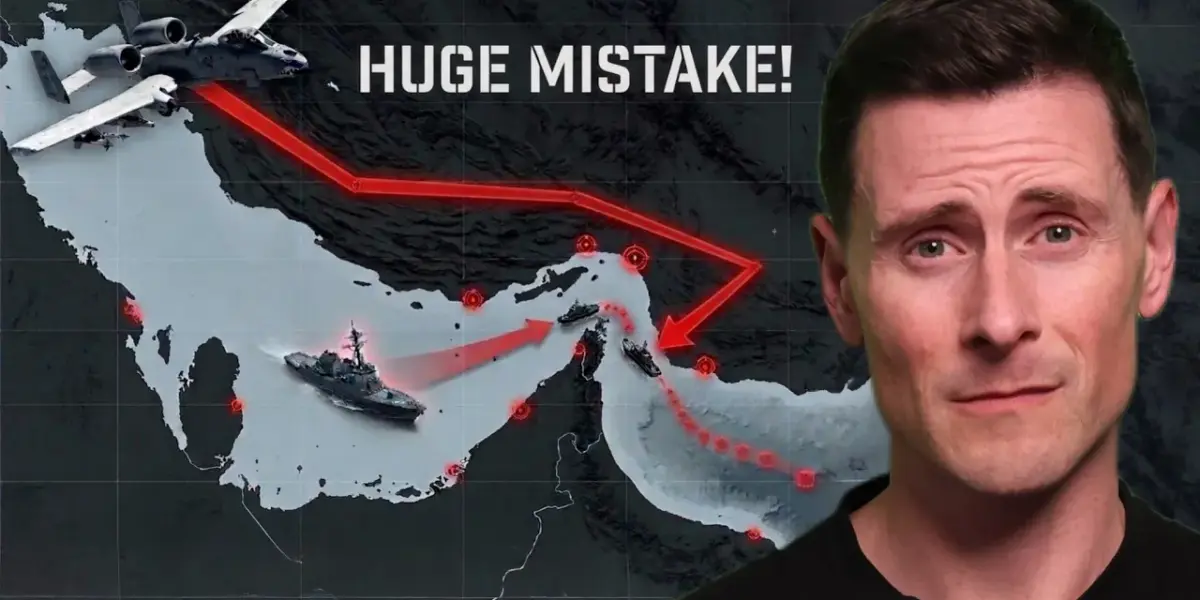
The U.S. Navy has intensified its operations in the Strait of Hormuz, seizing a sanctioned oil tanker and issuing shoot-to-kill orders against Iranian naval vessels suspected of laying mines. This move comes amid heightened tensions and a fragile ceasefire, with the U.S. asserting control over vital shipping lanes.
In a significant development, the U.S. seized the MT Majestic X, an oil tanker linked to Iran’s shadow fleet, for carrying Iranian crude oil. This action is part of Operation Epic Fury, a naval blockade aimed at restricting ships entering and leaving Iranian ports. The operation highlights the U.S. commitment to enforcing sanctions and disrupting Iran’s oil trade.
Iran’s Aggression and US Response
Just days prior, Iranian Revolutionary Guard Corps (IRGC) fast attack boats and gunboats fired on commercial cargo ships, seizing two vessels. Iranian state media released footage of IRGC commandos boarding these ships, portraying the act as retaliation for U.S. pressure. These actions have significantly raised tensions in the critical Strait of Hormuz.
Former President Donald Trump has ordered the U.S. Navy to use lethal force against any small Iranian boats involved in laying mines in the Strait. “There is to be no hesitation,” the order stated. U.S. mine sweepers are actively clearing the waters, with orders to triple their efforts.
The U.S. has released footage of its own operations, including the seizure of another vessel, sending a clear message against Iranian oil transit. This naval blockade is supported by destroyers, submarines, and overhead air assets, including advanced drones providing persistent surveillance.
Strategic Context and Iranian Tactics
Iran’s strategy often involves using small, agile fast attack boats, which they possess in large numbers. These vessels are particularly effective in the shallow waters near Iran’s coast. By pushing tankers close to these areas, Iran aims to harass shipping and create a challenging environment for naval operations.
The IRGC’s actions, including the recent seizure of commercial ships, are framed by Iran as self-defense. However, U.S. officials argue that Iran’s actions are provocations that violate international maritime norms. The U.S. maintains that its blockade is a necessary measure to counter Iranian aggression.
Technological Superiority and Future Outlook
The U.S. military’s technological edge plays a key role in this standoff. Carrier-based aircraft provide real-time targeting data, enabling swift responses to threats. Advanced drones like the MQ-9 Reaper offer long-endurance surveillance, capable of designating targets for manned aircraft.
Aircraft such as the A-10 Thunderbolt II, with its powerful 30mm GAU-8 Avenger cannon, and the F-15E Strike Eagle, equipped with precision munitions, are well-suited to neutralize Iran’s small attack craft. These platforms provide significant firepower against the IRGC’s fleet.
The U.S. is also exploring advanced underwater technologies, including the Manta Ray and Lamprey autonomous underwater vehicles. These systems can provide persistent surveillance, detect mine-laying activity, and potentially clear threats with minimal risk to manned assets. This layered approach aims to achieve total domain control for the U.S. forces.
Geopolitical Implications
The extended blockade and shoot-to-kill mandate represent a significant escalation by the U.S. This strategy aims to exert maximum economic pressure on Iran, potentially forcing them to negotiate. Iran’s economy loses an estimated $500 million daily due to the blockade, a cost that could compel even hardliners to seek a resolution.
This pressure tactic is similar to strategies employed against other nations, aiming to choke off revenue streams and force policy changes. The U.S. hopes that sustained economic hardship will lead Iran to abandon its destabilizing activities in the region.
The standoff in the Strait of Hormuz highlights the complex geopolitical dynamics at play. The U.S. is demonstrating its resolve to protect freedom of navigation and counter perceived Iranian threats. The coming hours and days will be critical in determining the trajectory of this confrontation.
The U.S. Navy, supported by air power and advanced technology, is positioned to neutralize Iranian naval threats. The effectiveness of these measures will be tested as Iran potentially responds to the increased pressure. The situation remains fluid, with the potential for further escalation.
Source: Iran Just Got Caught Doing Something INSANE In Strait Of Hormuz (YouTube)

Related Articles
Trump’s Navy Orders Spark Global Firestorm
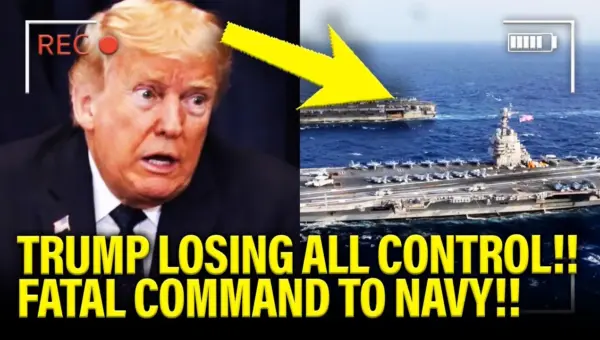
President Trump's directive for the U.S. Navy to fire on Iranian boats in the Strait of Hormuz, based on a disputed claim of mine-laying, has sparked significant controversy. The author criticizes the order as delusional and highlights concerns about the appointed acting Navy chief's past remarks.

Trump Orders Navy to Shoot Iran Boats in Strait of Hormuz
President Trump has ordered the U.S. Navy to "shoot and kill" any Iranian boats attempting to place mines in the Strait of Hormuz, escalating regional tensions. Meanwhile, exiled Iranian Crown Prince Reza Pahlavi was attacked in Berlin after criticizing U.S.-Iran talks. Geopolitical experts highlight the strait's critical role in global trade and the complex diplomatic and military dynamics at play.

Oil Prices Surge as Iran Seizes Ships, Disrupts Trade
Tensions in the Strait of Hormuz have escalated, with Iran seizing commercial vessels and the U.S. blockading oil exports. This dual pressure is driving oil prices above $103 per barrel and threatening global supply chains. Despite rising risks, stock markets remain surprisingly resilient, buoyed by AI optimism and expectations of a swift resolution.