RFK Jr.’s Breathing Distracts From Nutrition’s Health Role
Robert F. Kennedy Jr.'s breathing noises during a hearing drew attention, but the core message about nutrition's importance in healthcare education is critical. Progress is being made with medical schools, yet expanding this vital education remains a key goal for improving public health.

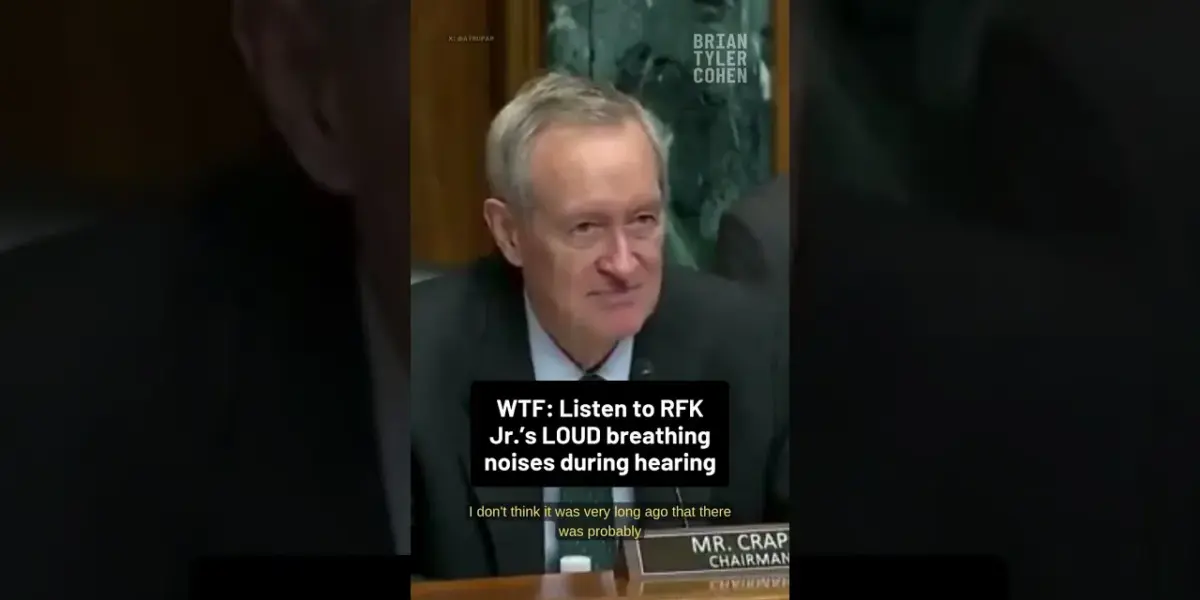
RFK Jr.’s Breathing Distracts From Nutrition’s Health Role
During a recent hearing, Robert F. Kennedy Jr.’s audible breathing noises became a distraction for some viewers, pulling attention away from the important discussion about nutrition’s role in health. While the sounds were noted, the core message about improving nutrition education in healthcare remains a critical topic.
Nutrition: A Foundation for Health
Kennedy’s testimony highlighted nutrition as a fundamental part of good health. He stressed that it is a main way to fight and prevent long-term illnesses. This viewpoint suggests that what we eat directly impacts our ability to stay well and avoid diseases like diabetes or heart conditions.
He also pointed out how important it is for healthcare professionals across the country to learn how to use nutrition in their patient care. This means doctors and nurses need to understand how food affects health and be able to give advice. It’s about making nutrition a standard part of medical treatment, not just an afterthought.
Progress in Medical Education
A significant step forward has been made by getting over 50 medical schools to promise at least 40 hours of nutrition education. This is a very encouraging start to a process that was likely lacking before. Not long ago, it’s probable that very little nutrition was taught in medical schools at all.
Now, the focus is shifting to make nutrition a key part of what future doctors learn. This change aims to equip them with the knowledge to address health issues through dietary means. It shows a growing recognition of food’s power in medicine.
Expanding Nutrition Education
The question remains how to build on this progress. How can we get even more medical schools to commit to this education? The goal is to expand nutrition training into other vital areas of medical learning.
This includes residency programs, where doctors get specialized training after medical school. It also covers medical licensing exams, ensuring new doctors meet a certain standard of nutrition knowledge. Continuing medical education for practicing doctors is also key to keeping their skills up-to-date.
Why This Matters
The focus on nutrition education is vital because chronic diseases are a major health challenge. Conditions like obesity, heart disease, and type 2 diabetes are on the rise. Many of these can be managed or even prevented with better diets.
If healthcare providers are not trained in nutrition, they may miss opportunities to help patients. They might not know how to advise on diet changes that could significantly improve a patient’s health. This lack of knowledge can lead to patients relying more on medications rather than addressing the root cause of their illness.
Historical Context
For decades, medical education has primarily focused on disease treatment, often through pharmaceuticals and surgical interventions. Nutrition was often seen as a secondary concern, left to dietitians or patients themselves to manage.
However, a growing body of scientific research has increasingly shown the profound impact of diet on health outcomes. This has led to a gradual shift in thinking within the medical community. The current push for more nutrition education is a response to this evolving understanding of health and disease.
Future Outlook
The expansion of nutrition education into medical schools is a positive trend. If successful, it could lead to a generation of doctors who are better equipped to guide patients toward healthier eating habits. This could, in turn, help reduce the burden of chronic diseases on individuals and the healthcare system.
The challenge will be to ensure that this education is thorough and practical. It needs to go beyond basic dietary guidelines and provide actionable skills for doctors. Continued commitment from medical institutions and professional bodies will be essential.
The next step in this process will be to see how many more medical schools commit to increased nutrition education in the coming years. The Department of Health and Human Services is looking to secure these additional commitments.
Source: WTF: Listen to RFK Jr.’s LOUD breathing noises during hearing (YouTube)

Related Articles


RFK Jr.’s Health Claims Raise Alarms for Public Well-being
Robert F. Kennedy Jr.'s recent testimony sparked concern over his promotion of unscientific health practices. His views on nutrition and modern medicine contrast sharply with established public health guidance, raising questions about his leadership.


Trump Officials Falter Under Scrutiny in Senate Hearings
Top Trump administration officials faced intense questioning in recent Senate hearings. Treasury Secretary Scott Bessant and Commerce Secretary Howard Lutnik were pressed on financial dealings and past associations. Health Secretary RFK Jr. was questioned on grocery prices, chemical companies, and vaccine views. Energy Secretary Chris Wright addressed rising energy costs. The hearings highlighted concerns about transparency and policy impacts.


Health Secretary’s Breathing Raises Alarm Bells
The Health Secretary's labored breathing during a recent hearing has sparked public concern and commentary. While the hearing addressed vital nutrition education initiatives, the Secretary's audible breathing drew comparisons to fictional characters and pets, raising questions about health leadership.