Panetta: Defense Secretary Focuses on ‘Culture War,’ Not Iran
Former Defense Secretary Leon Panetta criticized the current Defense Secretary for focusing on internal "culture wars" instead of the escalating conflict with Iran. He warned that stalled negotiations and actions like the blockade of the Strait of Hormuz could lead to further conflict. Panetta urged the U.S. to negotiate with Iran's current leadership, as intelligence suggests the hardliners remain firmly in power.


Panetta Criticizes Defense Secretary Amidst Iran Tensions
Former Defense Secretary and CIA Director Leon Panetta expressed strong concerns regarding the current leadership at the Department of Defense. He stated that the department is experiencing internal turmoil, particularly with the recent ouster of Navy Secretary John Phelan. Panetta believes this is happening at a critical time when the focus should solely be on the escalating conflict with Iran.
Panetta specifically criticized the Defense Secretary for engaging in a “war on culture” and addressing issues like “woke” concerns. He argued that this distracts from the urgent need to manage the serious military challenges posed by Iran. Maintaining a cohesive and effective team is paramount, he explained, especially when confronting complex international military issues.
Stalled Talks and Escalating Tensions with Iran
The situation with Iran remains tense, with little sign of a resolution. This week saw the president extend a ceasefire indefinitely, yet no new talks are scheduled.
In a significant escalation, Iran attacked three ships in the Strait of Hormuz and seized two more vessels. Iran described these actions as retaliation for the United States blockading its ports.
Adding to the complexity, the U.S. announced it had seized another tanker linked to Iran in the Indian Ocean. Panetta suggested these ongoing actions indicate stalled negotiations. He believes both sides are maneuvering for advantage, waiting for the other to make a concession.
“The reality is that this battle of trying to position each country for possible talks can really escalate and get out of control,” Panetta warned. He emphasized that if one nation oversteps, the other will respond, potentially leading to further conflict.
The Strait of Hormuz: A Critical Chokepoint
A major obstacle to any potential peace talks is the status of the Strait of Hormuz. Panetta highlighted that it would be extremely difficult for either side to engage in meaningful negotiations if the strait remains closed. The United States has imposed a blockade, preventing fuel from passing through the vital waterway.
This blockade has direct consequences for Americans, leading to higher fuel prices and global economic instability. Panetta stated that the U.S. economy cannot sustain the continued closure of the Strait of Hormuz. Experts suggest that Iran’s economy, less reliant on imports and not a democracy, could withstand more economic pressure than the U.S.
Challenges in Negotiating with Iran’s Regime
Negotiating with the current Iranian regime presents significant challenges. Panetta noted that the initial U.S. objective of regime change has failed. Instead, the regime has become more entrenched and may feel it has less to lose by adopting a tougher stance.
The president faces a difficult position, needing to deal with the existing regime while also addressing the Strait of Hormuz issue. Panetta likened the situation to Iran holding a “gun to the head of the United States” by controlling the strait. He also pointed out that the American public and Congress are weary of war, potentially limiting the president’s options.
Internal Iranian Politics and U.S. Negotiation Stance
Recent statements from the president suggest that Iran is experiencing internal power struggles, particularly between hardliners and moderates. The president indicated that the U.S. is pausing negotiations until Iran clarifies its leadership. He described the infighting as significant, with hardliners losing ground and moderates gaining respect.
However, Panetta, drawing on his experience with intelligence, offered a different perspective. He stated that U.S. intelligence has consistently shown the hardliners and the current regime remain in power. While internal issues are likely, the religious leaders are largely symbolic, with the military and the Islamic Revolutionary Guard Corps (IRGC) dictating policy.
“The fact is they’re operating and they’ve been operating under very tough circumstances and they’ve proved very agile and they’ve proved that they can survive,” Panetta asserted. He advised against waiting for the regime to collapse, urging instead to negotiate with the current leadership.
Path Forward: Engage with Current Leadership
Panetta concluded by stressing the importance of dealing with the regime as it is. He recommended engaging with the existing negotiators to bring the conflict to an end. This direct approach, he believes, is the most practical way forward given the current geopolitical realities.
Source: Hegseth continues to focus on war on culture rather than war with Iran: Leon Panetta (YouTube)

Related Articles
US Navy Readies Lethal Force Against Iran in Hormuz Strait
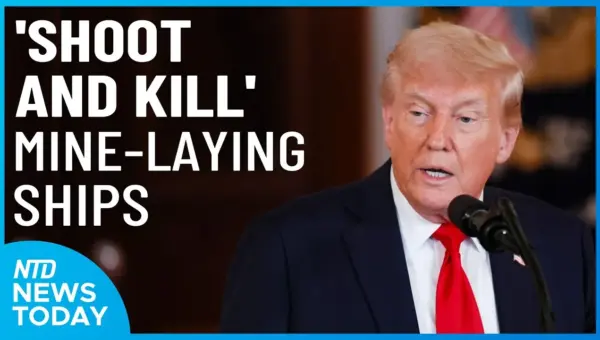
President Trump has ordered the US Navy to use lethal force against Iranian mine-laying boats in the Strait of Hormuz, escalating tensions. Meanwhile, the White House accuses China of stealing AI technology, adding another layer to global competition. These actions, coupled with economic sanctions on Iran, aim to reshape regional dynamics and prevent nuclear proliferation.
Trump’s Navy Orders Spark Global Firestorm
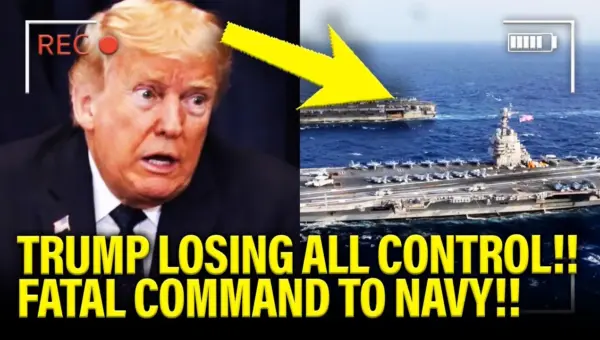
President Trump's directive for the U.S. Navy to fire on Iranian boats in the Strait of Hormuz, based on a disputed claim of mine-laying, has sparked significant controversy. The author criticizes the order as delusional and highlights concerns about the appointed acting Navy chief's past remarks.
Trump Orders Navy to Shoot Iran Boats in Strait of Hormuz
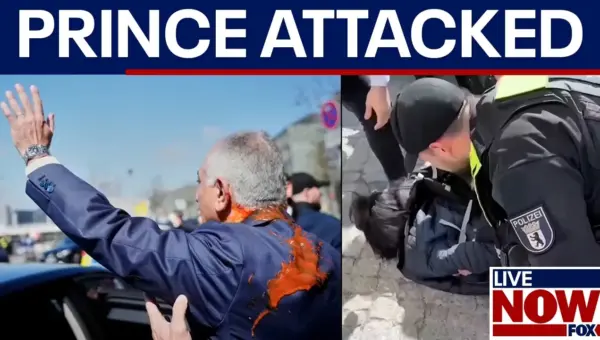
President Trump has ordered the U.S. Navy to "shoot and kill" any Iranian boats attempting to place mines in the Strait of Hormuz, escalating regional tensions. Meanwhile, exiled Iranian Crown Prince Reza Pahlavi was attacked in Berlin after criticizing U.S.-Iran talks. Geopolitical experts highlight the strait's critical role in global trade and the complex diplomatic and military dynamics at play.