MLB Balks Spark Chaos; League Reverses Course on Pickoff Rule
Major League Baseball has backtracked on recent balk calls related to pickoff plays. After a series of controversial calls, the league admitted it didn't give umpires clear enough instructions and will no longer penalize these specific tactics.

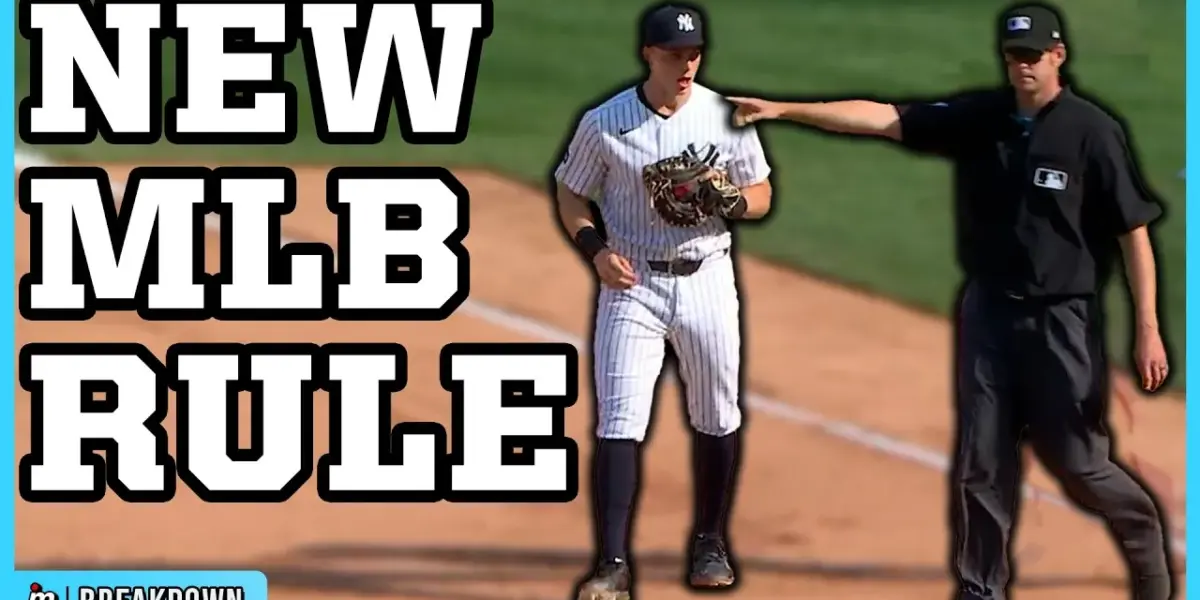
MLB Balks Spark Chaos; League Reverses Course on Pickoff Rule
Major League Baseball is in the middle of a fiery debate about pickoff rules, and it all started with a tricky play by the Mariners. A week ago, a slick deke move on Altuve was celebrated.
But the very next day, a balk was called on a play that left many scratching their heads, proving the margins on the rule are incredibly thin. This incident raised questions about whether the league might have sent out a subtle warning to teams about these new tactics.
That suspicion seemed to be confirmed quickly. Just a day later, two more questionable balk calls hit the headlines. The Marlins found themselves on the wrong end of a call when pitcher Yuri Perez threw to first base.
The umpire ruled it a balk, sending the runner to second base. The umpire’s explanation, though paraphrased here, centered on the first baseman playing for the tag rather than being on the bag.
Marlins Manager Frustrated by Inconsistent Calls
Marlins manager Skip Schumaker was visibly frustrated, questioning the umpire about the call. He pointed out that similar plays had occurred just two throws prior without penalty.
The umpire’s response was that the previous play caught him off guard, but the rule still exists. He explained that the first baseman cannot simply stand flat-footed and wait; they must be actively playing the bag or the tag near it.
The manager argued that the rule wasn’t clear on where the first baseman should position themselves. He felt there was no clear guideline in the rulebook for players to follow.
This lack of clarity led to confusion and frustration, as teams tried to navigate a rule that seemed to be interpreted differently on the fly. The situation highlighted a growing tension between the league’s desire for certain types of plays and the reality on the field.
History of Pickoffs: From Swipes to Body Tags
The standard pickoff play used to involve the first baseman standing on the bag, ready to swipe the runner’s hands as they received the throw. This was the norm for a long time. However, with the advent of high-tech cameras and instant replay, teams began to notice that tagging runners further up their bodies, even if not directly at the base, sometimes resulted in outs.
Before replay, umpires focused mainly on tags to the hands. Plays where a runner was tagged on the body, further from the base, might have been called safe.
But replay showed these were often outs. This led to an evolution where first basemen started positioning themselves closer to the pitcher, aiming to make a quicker tag on the runner’s body before they reached the base.
Teams Push the Envelope, League Takes Notice
Teams then started experimenting further. They began positioning their first basemen even closer to the pitcher, reducing the distance the throw needed to travel.
The idea was to make the play on the runner rather than at the base itself. This shift in strategy caught the league’s attention, with officials observing that plays were becoming more about tagging the body and less about the traditional play at first base.
This evolution is not entirely new. The 2000 Mets were known for their unique pickoff moves, often skirting the rules.
Their first basemen would position themselves high up the line, blocking the runner’s view and making pickoffs easier. Even in those instances, however, the throws were generally directed back towards first base, a key distinction from the plays now drawing balk calls.
Marlins’ Play Under Scrutiny
A side-by-side comparison of the Mets’ historical plays and the recent Marlins’ balk call shows a difference. While the Mets’ first baseman moved back towards the bag, the Marlins player in the balked play was standing flat-footed. The throw went to the base, but the positioning was deemed too far off.
The league’s intent seems to be encouraging more stolen bases and dynamic play, while still allowing for some pickoffs. However, teams are constantly looking for loopholes.
This creates a constant back-and-forth, with the league refining rules to get the entertaining product they desire. The Marlins’ recent play was an example of pushing these boundaries.
Yankees Game Sees Another Controversial Call
The controversy continued in a Yankees game. First baseman Ben Rice was positioned far off the bag with runners on.
The play involved Rice breaking behind the runner, and a throw was made to him. This time, the umpire called a balk, stating Rice was too far off the base.
Yankees manager Aaron Boone argued the call, emphasizing that it was a set play with the intent to throw to the bag. He felt the throw was slightly errant, forcing Rice to adjust.
Boone’s discussion with the umpire escalated, leading to his ejection from the game. The manager was frustrated that an intended play at the base was being penalized.
League Admits Error, Reverses Stance
Boone later spoke with the league about the incident. While the league initially felt it was a balk, they acknowledged a lack of clear guidance for umpires. They admitted they hadn’t provided umpires with precise instructions on what to look for regarding these new pickoff tactics.
In a significant development, Major League Baseball has now reconvened and reviewed numerous examples. They are holding a meeting with umpires to clarify the situation.
The league has stated that these recent balk calls were a mistake and that they do not want them called moving forward. This means teams can now employ these tactics more freely, expecting fewer penalties.
The league’s message is clear: they are allowing these moves. With this new clarification, managers like Boone are likely to encourage their teams to take full advantage of the updated understanding of the pickoff rules. Fans can expect to see more creative pickoff attempts as the season progresses.
Source: MLB has changed their rules on pickoffs, a breakdown (YouTube)

Related Articles

Mets’ Losing Streak: Time for a New Voice?
The New York Mets are in crisis, suffering through a 12-game losing streak marked by an inability to score. With the second-highest payroll in baseball, the team's performance has drawn sharp criticism, leading to calls for a "new voice" in the clubhouse. Manager Carlos Mendoza's future is uncertain as the team trends in the wrong direction.


Yankees Steal Win with Late-Game Shenanigans
The Yankees secured a dramatic victory over the Angels with a combination of smart base running and strategic mind games. Jazz Chisum's speed and Austin Wells's daring run home sealed the win in a wild finish.


Yankees Steal Win With Late Rally, Pesky Tactics
The New York Yankees staged a dramatic late-inning comeback to defeat the Los Angeles Angels. Key defensive miscues by the Angels and aggressive base running by the Yankees, including a game-winning run scored from first base, sealed the victory. The Yankees' relentless approach frustrated Angels pitcher Romano throughout the final innings.