US Navy Readies Lethal Force Against Iran in Hormuz Strait
President Trump has ordered the US Navy to use lethal force against Iranian mine-laying boats in the Strait of Hormuz, escalating tensions. Meanwhile, the White House accuses China of stealing AI technology, adding another layer to global competition. These actions, coupled with economic sanctions on Iran, aim to reshape regional dynamics and prevent nuclear proliferation.

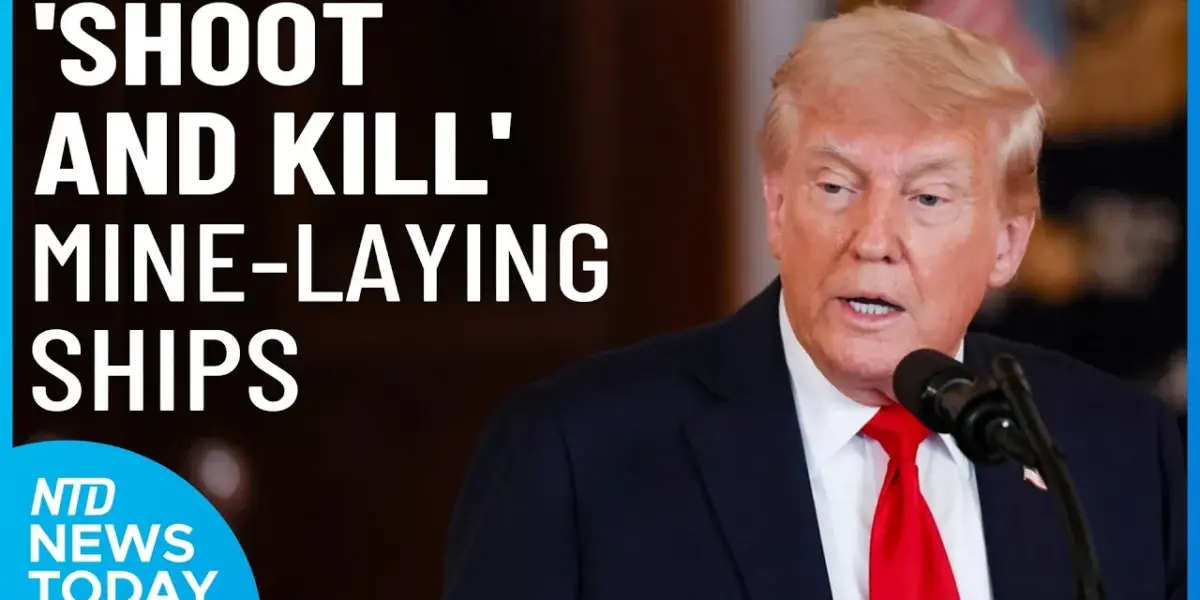
US Navy Readies Lethal Force Against Iran in Hormuz Strait
President Trump has ordered the US Navy to use lethal force against any boat laying mines in the Strait of Hormuz. This strong directive signals an escalation in the maritime standoff with Iran. The president stated that US forces will also triple efforts to clear mines planted by Iran.
This order comes after Iran attacked three commercial ships and seized two of them recently. The US military also boarded another tanker suspected of smuggling Iranian oil. These actions highlight the growing tensions and the US commitment to securing vital shipping lanes.
White House Accuses China of AI Theft
The White House has raised serious concerns about China’s efforts to steal American artificial intelligence technology. Officials believe China is attempting to replicate advanced AI capabilities by developing smaller models that mimic larger ones.
This accusation adds another layer to the complex relationship between the US and China, particularly in the high-stakes field of advanced technology. The administration views this as a direct threat to American innovation and economic security.
Lebanon and Israel Hold Direct Talks
Lebanon and Israel have held rare direct negotiations in Washington aimed at extending a fragile ceasefire. These talks are a significant step towards restarting broader negotiations after months of conflict.
The discussions focus on maintaining the current truce and establishing a path towards lasting peace. Both nations face challenges in achieving these goals, with differing priorities regarding disarmament and border security.
Senate Passes Budget Resolution for Immigration Enforcement
US Senators have passed a Republican-approved budget resolution following an overnight session. This marks the first step toward funding immigration enforcement agencies without Democratic support.
The resolution aims to secure funding for agencies like ICE and CBP, potentially preventing a shutdown of the Department of Homeland Security. Republicans argue this move is necessary to ensure consistent funding for border security measures.
Justice Department Reclassifies Marijuana
The Department of Justice is reclassifying marijuana, moving it from a Schedule I drug to a less dangerous category. Acting Attorney General Todd Blanch stated this change will allow for more research into the drug’s safety and effectiveness.
This decision is one of the most significant federal policy shifts regarding marijuana in decades. It follows an executive order from President Trump to ease federal restrictions on cannabis.
NFL Draft Kicks Off Amid Anticipation
The NFL’s annual draft is set to begin tonight, with the first overall pick widely known. However, experts expect numerous surprises and strategic moves throughout the rest of the draft.
Teams are looking to build their rosters for the upcoming season, with many clubs hoping to find their franchise players in this year’s talent pool.
Analysis: Iran Tensions and China’s Strategic Moves
President Trump’s order to use lethal force against Iranian mine-laying vessels in the Strait of Hormuz signals a critical moment in US-Iran relations. The administration’s strategy involves not only military deterrence but also severe economic pressure through naval blockades. White House Press Secretary Caroline Levit highlighted internal divisions within Iran, suggesting a battle between hardliners and pragmatists, which the US aims to influence.
The US believes Iran is economically weakened, losing an estimated $500 million daily due to the blockade. This pressure is intended to force Iran to negotiate on US terms. The seizure of a tanker carrying what President Trump called a “gift” from China to Iran further complicates the situation, raising concerns about Beijing’s role in supporting Tehran.
Historical Context: US-Iran Standoff and China’s Role
The current tensions can be traced back to decades of strained relations between the US and Iran, particularly following the 1979 revolution. The Obama administration’s policies towards Iran, including the lifting of sanctions and the release of frozen funds, are viewed by some analysts as having inadvertently strengthened Iran’s economic position, benefiting strategic partners like China.
Christian Briggs, a political analyst and economist, described the relationship between China and Iran as symbiotic and born out of necessity over the past 15-20 years. China needs Iran’s oil, which it receives at a significant discount, helping to maintain its economic productivity and keep inflation low. This strategic partnership allows China to secure vital energy resources while supporting a key regional ally.
China’s Strategic Interests and the BRICS Coalition
Briggs explained that China’s investment in Iran is part of a larger strategy, especially as Iran became an official member of the BRICS coalition. China has been systematically working to secure natural resources and rare earth elements, recognizing their importance for future technological advancements. By gaining influence over Iran’s oil production, China aims to strengthen its position in global markets.
President Trump’s actions, such as cutting off oil supplies from Venezuela and Iran, are seen as a strategic move to slow down China’s aggressive pursuit of these resources. Losing oil from both Venezuela and Iran significantly impacts China’s daily energy needs, potentially disrupting its economic plans and its ability to corner markets for critical materials.
Geopolitical Ripples: Indo-Pacific and Ukraine Conflict
Concerns exist that the focus on the Middle East might detract from critical issues in the Indo-Pacific, especially concerning China’s ambitions towards Taiwan. Briggs suggested that Russia’s prolonged military actions in Ukraine could be linked to a strategy to exhaust US and European resources, thereby creating an opening for China to act in Taiwan.
However, China’s recent conversion of two large refineries from transportation to marine diesel production, intended to arm its naval ships, may now be hindered by the cut-off of oil supplies. This strategic economic maneuver by the Trump administration aims to limit China’s immediate naval capabilities and potential actions around Taiwan.
Economic Ramifications of the Blockade
The naval blockade and sanctions aimed at choking Iran’s oil revenue carry significant risks, primarily global inflationary pressures. A disruption in oil flow, whether from Iran or elsewhere, can lead to higher energy prices worldwide. This impacts countries heavily reliant on oil imports and can reduce global GDP growth, as seen in recent downward revisions of economic forecasts for the EU.
While the economic consequences are substantial, the administration believes the current pressure is necessary. The objective is to make Iran realize its limited time to negotiate and to prevent it from acquiring nuclear weapons. The alternative, a nuclear-armed Iran, is seen as a far greater threat than temporary economic hardship.
The Stakes: Nuclear Weapons vs. Economic Stability
The core of the current geopolitical strategy, according to analysts, is choosing between economic stability and the threat of nuclear proliferation. The choice is presented as accepting higher oil prices and some inflation versus facing a regime that has been a major state sponsor of terrorism and could possess nuclear weapons.
The decision to enforce the blockade and sanctions, though difficult, is framed as a necessary measure to prevent a more catastrophic outcome. The historical context suggests that past policies, particularly the financial support provided to Iran under the Obama administration, may have contributed to the current challenging situation.
Why This Matters
The escalating tensions in the Strait of Hormuz and the broader US strategy against Iran have far-reaching implications. They directly impact global oil prices, affecting economies worldwide and potentially influencing inflation rates and consumer spending. The alleged involvement of China in supporting Iran adds a complex geopolitical dimension, highlighting a potential alignment of interests that challenges US influence.
The administration’s approach, combining military readiness with severe economic sanctions, aims to reshape regional dynamics and prevent Iran from becoming a nuclear power. This strategy highlights the high stakes involved, where economic stability is weighed against the existential threat of nuclear proliferation and state-sponsored terrorism.
Future Outlook
The situation remains fluid, with the success of the economic blockade and the potential for diplomatic breakthroughs being key factors. The US aims to continue applying pressure to force Iran to the negotiating table, while Iran’s internal political dynamics and its relationship with China will likely play a key role in future developments.
The ongoing efforts to secure critical shipping routes and disrupt illicit oil smuggling are expected to continue. The effectiveness of these measures in achieving long-term stability and preventing regional conflict will be closely watched by global powers and markets alike.
Source: Trump: 'Shoot and Kill' Mine-laying Ships; WH Accuses China of AI Theft | NTD News Today April 23 (YouTube)

Related Articles
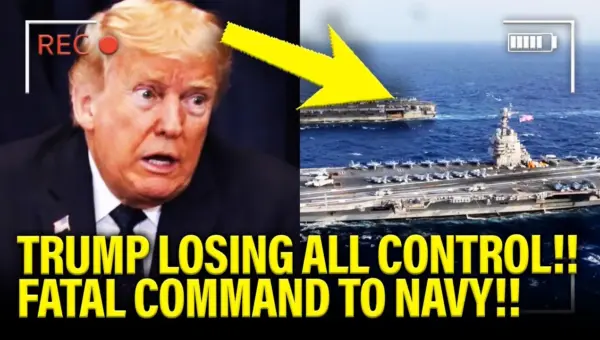
Trump’s Navy Orders Spark Global Firestorm
President Trump's directive for the U.S. Navy to fire on Iranian boats in the Strait of Hormuz, based on a disputed claim of mine-laying, has sparked significant controversy. The author criticizes the order as delusional and highlights concerns about the appointed acting Navy chief's past remarks.


Trump Orders Navy to Shoot Iran Boats in Strait of Hormuz
President Trump has ordered the U.S. Navy to "shoot and kill" any Iranian boats attempting to place mines in the Strait of Hormuz, escalating regional tensions. Meanwhile, exiled Iranian Crown Prince Reza Pahlavi was attacked in Berlin after criticizing U.S.-Iran talks. Geopolitical experts highlight the strait's critical role in global trade and the complex diplomatic and military dynamics at play.

Oil Prices Surge as Iran Seizes Ships, Disrupts Trade
Tensions in the Strait of Hormuz have escalated, with Iran seizing commercial vessels and the U.S. blockading oil exports. This dual pressure is driving oil prices above $103 per barrel and threatening global supply chains. Despite rising risks, stock markets remain surprisingly resilient, buoyed by AI optimism and expectations of a swift resolution.