Trump’s Ukraine Stance Unlikely to Shift, Ex-FM Kuleba States
Former Ukrainian Foreign Minister Dmytro Kuleba stated that Donald Trump's stance on Ukraine is unlikely to change significantly, regardless of Kyiv's actions. Kuleba cited Trump's desire to avoid feeling indebted and his ego as key factors influencing his consistent approach. This suggests a transactional foreign policy focus that prioritizes U.S. autonomy over existing commitments.

Trump’s Ukraine Policy Seen as Unwavering
Former Ukrainian Foreign Minister Dmytro Kuleba believes Donald Trump’s approach to the conflict in Ukraine will likely remain unchanged, regardless of Kyiv’s efforts. Kuleba suggested that Trump’s past actions and stated positions indicate a deeply ingrained perspective that is not easily swayed by external factors or diplomatic overtures. This assessment comes from Kuleba’s understanding of Trump’s decision-making process and his personal motivations.
Kuleba pointed to Trump’s rejection of Ukrainian President Zelenskyy’s offer for a meeting as a key indicator. The former minister explained that Trump did not want to feel indebted to Ukraine.
This desire to avoid obligations stems from his own strategic considerations and future plans, which he does not want to be constrained by. Owing a favor, Kuleba noted, implies a future repayment that Trump seems unwilling to commit to.
Ego and Strategic Autonomy Drive Trump’s Views
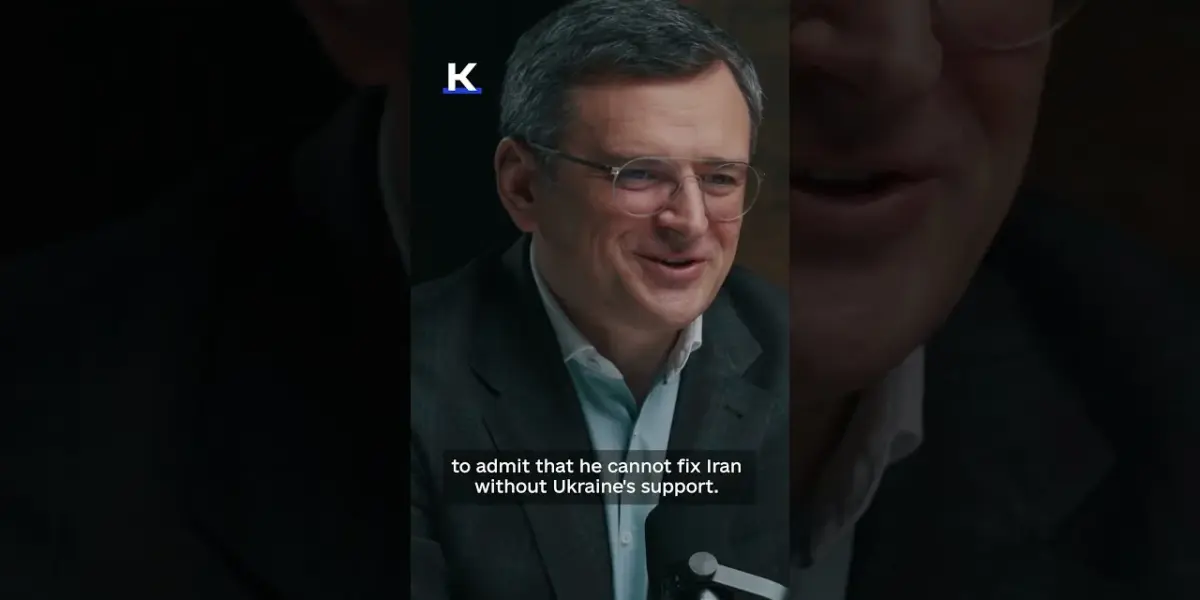
Beyond strategic calculation, Kuleba highlighted the role of ego in Trump’s foreign policy outlook. He suggested that Trump might view admitting a need for Ukraine’s support to resolve issues, such as those concerning Iran, as a personal humiliation.
This perspective suggests a strong internal drive for self-reliance and a reluctance to acknowledge dependence on other nations for achieving his objectives. It implies a belief that he alone should be capable of resolving complex international problems.
“I don’t think Trump will dramatically change his stance on Ukraine whatever we do,” Kuleba stated, emphasizing the perceived immutability of Trump’s worldview. He believes that Ukraine’s actions, whether positive or negative, will not fundamentally alter Trump’s core beliefs or his approach to international leadership. Kuleba’s assessment suggests that Trump’s perspective is not a matter of policy adjustment but a reflection of his fundamental understanding of how the world operates and how leaders should behave.
Strategic Implications
Kuleba’s analysis suggests that Ukraine cannot expect a significant shift in potential U.S. policy under a future Trump administration based on current diplomatic efforts or appeals. This implies that Kyiv must prepare for a scenario where American support might be less predictable or conditional than under the current administration. The focus on Trump’s personal motivations, particularly his aversion to owing favors and his ego, points to a transactional rather than ideological basis for his foreign policy decisions.
This perspective has broader implications for transatlantic relations and the future of security assistance to Ukraine. If Trump prioritizes transactional relationships and personal autonomy, it could lead to a reassessment of long-standing alliances and commitments. The emphasis on Trump not wanting to be “constrained” by obligations suggests that any future engagement would likely be driven by perceived U.S. interests rather than a commitment to established international norms or democratic solidarity.
Historical Parallels in Transactional Diplomacy
Trump’s approach, as described by Kuleba, echoes historical precedents of transactional diplomacy where foreign policy is primarily driven by perceived national advantage and personal relationships between leaders. Leaders who prioritize such approaches often view international relations as a series of deals to be struck, where debts and obligations are carefully managed to maintain maximum leverage. This contrasts with more traditional diplomatic models that emphasize shared values, collective security, and long-term strategic partnerships.
The concept of avoiding “owing” a nation, particularly when it might be perceived as a sign of weakness or dependence, is a recurring theme in the foreign policy of leaders who emphasize national sovereignty and individual leadership. Such leaders often seek to project an image of strength and self-sufficiency, believing that admitting reliance on others can undermine their position on the global stage. This perspective can lead to unpredictable policy shifts as leaders seek to renegotiate terms or prioritize bilateral deals over multilateral agreements.
Conclusion
Kuleba’s assessment offers a stark outlook for Ukraine’s diplomatic efforts aimed at influencing Donald Trump’s stance. The former minister’s comments suggest that any future engagement with Trump regarding Ukraine will need to navigate his deeply held personal views and strategic priorities, which appear resistant to conventional diplomatic persuasion. The situation highlights the personalistic nature of some foreign policy decisions and the challenges of predicting or influencing them through traditional channels.
Source: 'I don't think Trump will dramatically change his stance on Ukraine,' ex-FM Kuleba says (YouTube)

Related Articles

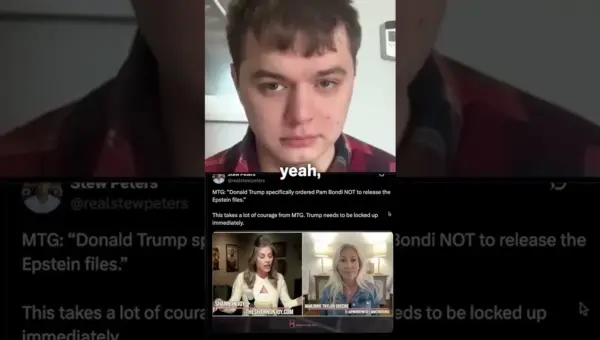
Trump’s Shadow: Did He Halt Epstein File Release?
New claims suggest Donald Trump actively worked to block the release of Jeffrey Epstein files. Accounts point to direct orders from Trump to his administration, contradicting narratives that blame others like Pam Bondi.
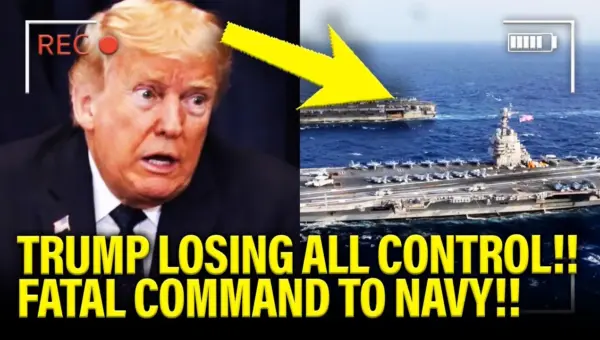
Trump’s Navy Orders Spark Global Firestorm
President Trump's directive for the U.S. Navy to fire on Iranian boats in the Strait of Hormuz, based on a disputed claim of mine-laying, has sparked significant controversy. The author criticizes the order as delusional and highlights concerns about the appointed acting Navy chief's past remarks.
UAE’s Billions to Trump Spark Bailout Outrage
The United Arab Emirates reportedly seeks U.S. financial aid after investing billions in Trump-linked ventures. Critics question why a wealthy nation needs a bailout while Americans face economic hardship, highlighting concerns over money's influence in politics.