Ukraine Adapts, Outpacing Russia in Drone Warfare
Ukraine is increasingly producing its own advanced defense systems, especially drones and electronic warfare technology, adapting to reduced U.S. aid. This shift highlights Ukrainian innovation and a strategic move away from earlier reliance on Western heavy weaponry, while Russia continues to misread Western resolve and project an exaggerated image of strength.

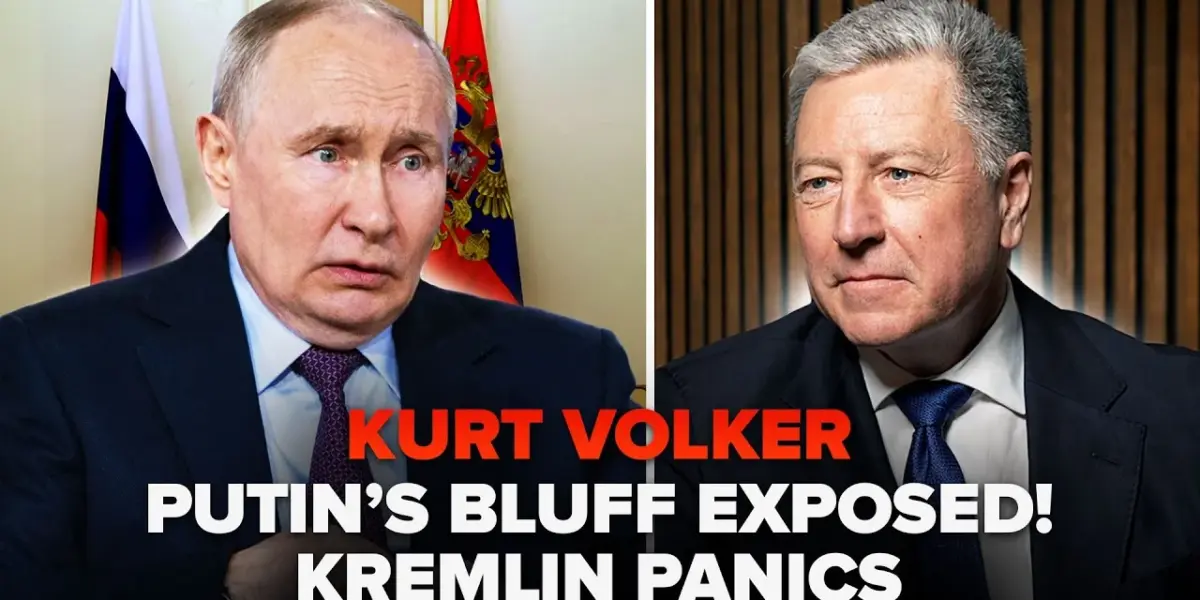
Ukraine Adapts, Outpacing Russia in Drone Warfare
Ukraine has significantly adapted to the reduced flow of U.S. military aid, increasingly relying on its own defense production. This shift marks a critical change from earlier phases of the conflict where Western equipment like HIMARS, tanks, and artillery were essential.
Now, Ukraine is meeting about 60% of its defense needs internally, focusing on advanced technologies like drones, counter-drone systems, and electronic warfare. These are new areas of focus compared to 2022 and 2023.
This development shows Ukraine becoming a leader in producing and using these new warfare tools. The country’s ability to innovate and adapt its defense industry is proving vital. This self-sufficiency contrasts sharply with the early stages of the war.
Strategic Shift Away from Traditional Aid
In 2022 and 2023, Ukraine heavily depended on large quantities of Western arms. The nature of warfare was then focused on established systems like artillery and armored vehicles. This reliance necessitated substantial aid packages to sustain the fight against Russia.
The current reliance on domestically produced drones and electronic warfare signifies a strategic evolution. It suggests Ukraine is developing capabilities that may offer a tactical advantage. These systems are often less resource-intensive to produce than heavy armor or advanced aircraft.
Russia’s Miscalculations and Propaganda
Western intelligence services have consistently misread Russia’s capabilities and intentions. Russia often projects an image of strength and vast resources that is exaggerated. This perception, partly fueled by decades of propaganda and Cold War-era assumptions about Soviet might, has led to underestimations of Ukrainian resilience and overestimations of Russian staying power.
For instance, Western intelligence reportedly believed Russia’s initial plan to capture Kyiv within three days was feasible. This belief demonstrated a lack of understanding of both Russian military limitations and Ukrainian resolve. This persistent misjudgment continues to be an obstacle in assessing the true state of the conflict.
European Defense and Shifting Alliances
Europe is increasing its defense spending and boosting its own defense industry in response to the war. This includes purchasing American weapons and developing domestic production. This move aims to ensure greater self-reliance and support for Ukraine, even with fluctuating U.S. aid levels.
The political landscape in Europe is also shifting. While some leaders are seen as pro-Russian, their influence appears to be waning due to internal political changes.
For example, Peter Magyar’s rise in Hungary signals a potential shift away from policies that increased dependence on Russia and China. Similar dynamics are observed in Bulgaria, suggesting a broader trend towards re-evaluating ties with Moscow.
Ukraine’s Offensive Capabilities and NATO’s Stance
Ukraine’s persistence in striking targets inside Russia is seen as a necessary tactical move. Denying Russia safe havens from which to launch attacks is crucial for defense. This strategy aims to increase the cost of the war for Russia, forcing Moscow to reconsider its actions.
NATO countries are increasingly focused on their own defense and supporting Ukraine through various means. The debate over deep strikes inside Russia highlights the strategic challenge of responding to aggression. The goal is to make it clear that waging war against Ukraine carries significant risks for Russia.
Iran Conflict and Global Geopolitics
The situation involving Iran presents its own set of geopolitical challenges. Attempts to destabilize the Iranian regime have not led to the quick results anticipated. Iran’s resilience and asymmetric warfare tactics mean it can still exert significant influence despite military losses.
European allies are frustrated by unpredictable U.S. foreign policy, which complicates coordinated responses. They are increasingly discussing how to ensure freedom of navigation in critical waterways independently. This highlights a growing need for European strategic autonomy.
Strategic Implications
Ukraine’s successful pivot to domestic defense production, particularly in drones and electronic warfare, is a significant development. It reduces dependence on external aid and showcases Ukrainian innovation. This capability could prove decisive on the battlefield, allowing Ukraine to maintain pressure on Russian forces.
Russia’s continued reliance on outdated propaganda and its misreading of Western resolve suggest a strategic inflexibility. If Ukraine can sustain its production and technological edge, Russia may find it increasingly difficult to achieve its objectives. The conflict is evolving into a test of industrial capacity and technological adaptation.
Historical Parallels
The current situation echoes historical conflicts where industrial capacity and technological innovation played key roles. During World War II, the ability of nations to ramp up production of aircraft, tanks, and other war materials was critical to victory. Ukraine’s current focus on drone technology and electronic warfare represents a modern parallel, emphasizing agility and rapid development.
The perception of Russia’s strength also draws parallels to past assessments of the Soviet Union. The assumption of vast resources and organizational superiority often masked underlying weaknesses. Understanding these historical patterns helps explain why Western intelligence might have misjudged Russia’s capabilities in Ukraine.
Future Outlook
The ongoing adaptation by Ukraine and Europe suggests a long-term strategy to counter Russian aggression. The focus on developing indigenous defense capabilities and fostering greater European cooperation indicates a commitment to sustained support. The coming months will reveal if this adaptation can truly outlast Russia’s resources and political will.
The effectiveness of Ukraine’s own air defense development is also a key factor. As reliance on specific Western systems like Patriot missiles may decrease due to regional demands, Ukraine’s ability to produce its own solutions becomes paramount. This innovation cycle is expected to continue, with Ukraine aiming to maintain its creative edge over Russia.
Source: ⚡️Putin is bluffing hard! Kremlin regime is losing allies. NATO is forced to act (YouTube)

Related Articles


Trump, Putin Share Ukraine Worldview, Kuleba Claims
Ukrainian Foreign Minister Dmytro Kuleba claims former U.S. President Donald Trump and Russian President Vladimir Putin share a similar worldview. Both, he suggests, believe smaller nations should submit to the demands of greater powers. This perspective could significantly alter U.S. policy toward the Ukraine conflict.
Putin Seeks Oligarch Funds for War Effort
Russian President Vladimir Putin has reportedly asked the nation's wealthiest business figures, known as oligarchs, to make voluntary contributions to the state budget. This marks the first time the Kremlin has directly solicited funds from these individuals to finance military operations amid rising war expenses.
Ukraine Denies Ceasefire; Russia Pushes in Donbas
Ukraine rejects a US-proposed ceasefire, vowing to act in its own interest as Russia advances in Donbas. Meanwhile, Iran dismisses a US ceasefire extension, citing ongoing blockades. Russian oil refineries have been hit by drone attacks, disrupting energy production.