Artemis II Astronauts Gear Up for Historic Moon Flyby
NASA's Artemis II mission is set to launch soon, sending four astronauts on a 10-day test flight around the Moon. This mission will be the first human journey to lunar space in 50 years. Astronauts will test the Orion capsule and provide unique human observations of the Moon's far side.

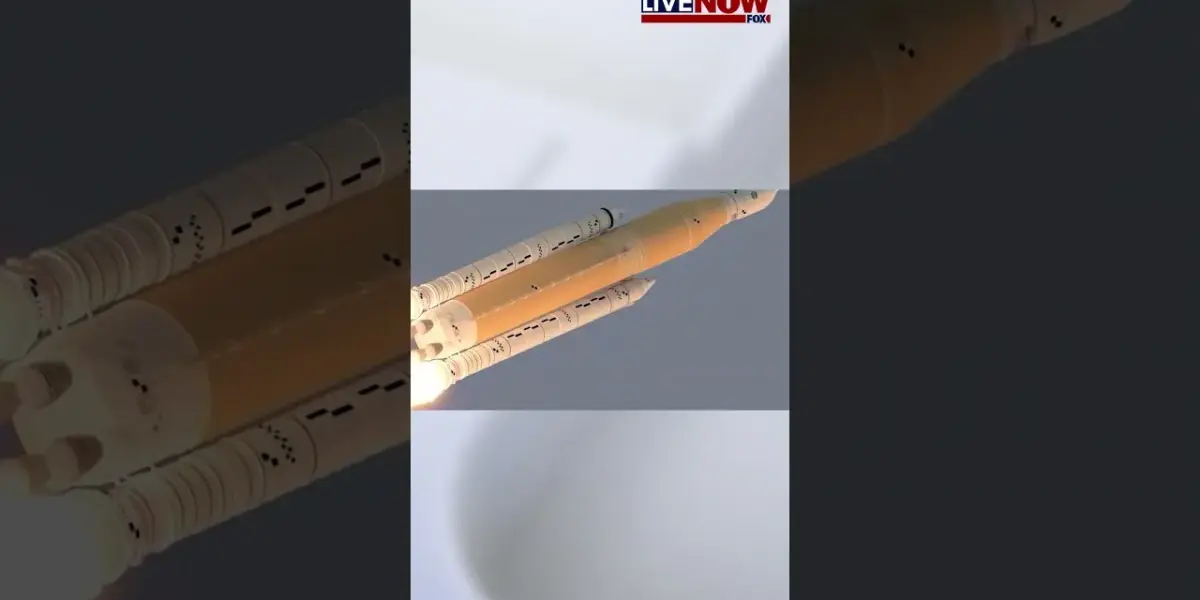
Artemis II Prepares for Crucial Test Flight
NASA’s Artemis II mission is on the verge of launching, with astronauts set to embark on a critical test flight in the coming days. This mission is a vital shakedown cruise for the Orion spacecraft, designed to carry humans farther into space than ever before.
The four-person crew will spend 10 days testing the capsule’s capabilities beyond Earth’s orbit. This journey marks the first time in half a century that humans will travel to the vicinity of the Moon.
A ‘Test Drive’ Beyond Earth Orbit
Think of Artemis II as a test drive for a brand-new car, but on a cosmic scale. The astronauts will put the Orion capsule through its paces, ensuring it functions as expected and is suitable for long-duration spaceflight.
They need to confirm it’s comfortable enough for living and working for extended periods. This includes testing their ability to eat, sleep, and perform daily tasks within the capsule’s unique environment.
The mission’s objectives go beyond simple comfort checks. Astronauts will practice maneuvering the spacecraft and working with other components launched alongside them.
Their journey will culminate in a flyby of the Moon, offering a rare glimpse of its far side. This region of the Moon is permanently hidden from Earth’s view.
Human Eyes on the Lunar Surface
For the first time in 50 years, human eyes will witness the Moon up close. While robotic missions have gathered extensive data over the decades, the Artemis II crew offers a unique opportunity.
They will serve as the most advanced observation tools imaginable: the human eyes. These astronauts will be tasked with observing the Moon’s surface, noting its colors and textures.
Their observations will add a new layer of understanding to our knowledge of Earth’s closest celestial neighbor. This direct human observation complements the wealth of data already collected by orbiting spacecraft. It provides a crucial human perspective on the lunar landscape.
The Mission’s Trajectory
The Artemis II mission is designed as a precursor to future lunar landings. The crew will travel beyond low Earth orbit, testing the Orion capsule’s life support systems and navigation capabilities.
Their flight path will take them around the Moon and back to Earth. This journey is crucial for validating the technology needed for longer and more complex missions.
During the mission, the astronauts will fly approximately 5,000 miles from the Moon. This close proximity will allow for detailed visual observations.
They will spend several hours observing the lunar surface, particularly the side we never see from Earth. This is a critical step in NASA’s broader plan to establish a sustainable human presence on the Moon.
Looking Ahead
The success of Artemis II is foundational for the entire Artemis program. It paves the way for future missions, including Artemis III, which aims to land astronauts on the lunar south pole.
The data and experience gained from this test flight will be invaluable. NASA will use this information to refine procedures and ensure the safety of future crews venturing deeper into space.
The upcoming launch is scheduled for November 2024. This date represents a significant milestone in humanity’s return to the Moon. Public anticipation is high as the world watches this crucial step towards lunar exploration unfold.
Source: NASA talks Artemis II test flight (YouTube)

Related Articles


NASA Mars Mission Failure Cost $327 Million
A simple unit conversion error caused NASA's Mars Climate Orbiter to disintegrate in the atmosphere, costing $327 million. This costly mistake highlights the critical need for precision and standardized communication in complex projects.


NASA Aims for Permanent Moon Base in $20 Billion Plan
NASA is planning to build the first permanent human base on the Moon within seven years, a $20 billion project that shifts focus from lunar orbit stations. This ambitious goal aims to send astronauts for scientific research and use the Moon as a stepping stone for Mars exploration.

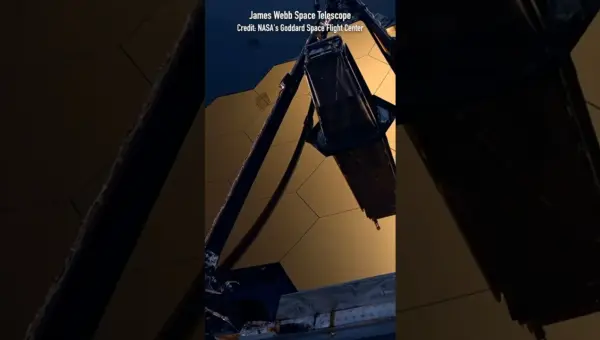
Webb Telescope Reveals New Cosmic Secrets
The James Webb Space Telescope has selected its next batch of scientific projects, promising new insights into alien worlds and the early universe. Researchers will use Webb to study exoplanet atmospheres, investigate distant galaxies, and explore objects within our own solar system.