Iran Toll Booth: Tankers Pay Millions to Use Strait of Hormuz
Iran is reportedly forcing oil tankers to pay millions of dollars to use a new, controlled passage in the Strait of Hormuz. This "Tehran toll booth" system, managed by Iran's Revolutionary Guard, has drastically reduced ship traffic and raises concerns about regional security and global energy supplies. Ships not complying with the new route and fees face implied threats of attack.

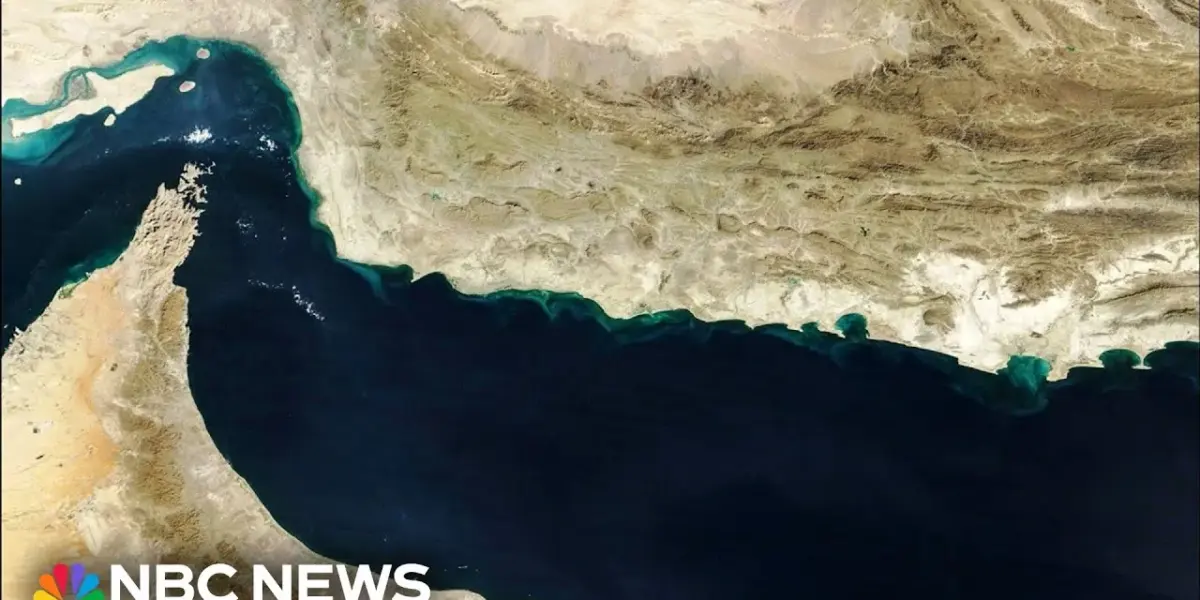
Iran Demands Millions from Tankers for Passage
Iran is forcing some oil tankers to pay millions of dollars to travel through a newly established, narrow passage in the Strait of Hormuz. This critical waterway is vital for global oil supplies.
A maritime intelligence service based in London, Lloyd’s List Intelligence, shared data with NBC News showing this developing situation. The route is controlled by Iran’s Islamic Revolutionary Guard Corps, leading some to dub it the “world’s most dangerous toll booth” or the “Tehran toll booth.” This move comes amid increased tensions and a significant drop in ship traffic through the strait.
Before recent events, around 110 ships passed through the Strait of Hormuz daily. Now, that number has plummeted to ten ships or fewer, representing a drop of about 90% compared to pre-war traffic levels.
Ships that are still making the passage are being diverted to this new route. This route takes them through Iranian territorial waters, squeezed between islands and close to Iran’s main naval base, a stark contrast to the previous, more central peacetime routes.
A New Route, A New Risk
The new passage requires vessels to navigate a much tighter channel. “Whatever we can detect going out of the Strait right now is going through this narrow channel up in Iranian territorial waters,” explained a source familiar with the situation.
Here, the Islamic Revolutionary Guard Corps verifies the ship’s information and acts like a toll collector. This footage, verified by NBC News, shows a Chinese tanker passing between islands on this new route.
Sailors on these vessels are noting the increased danger. One sailor on a Chinese tanker remarked, “In a few days, American soldiers might come here.
This might be the main fighting spot.” This highlights the volatile nature of the region and the potential for escalation. The diversion to Iranian-controlled waters places ships in a precarious position, increasing their vulnerability.
Financial Demands and Implied Threats
Iranian lawmakers have reportedly discussed charging ships as much as $2 million to pass through the strait. The stated reason for this toll is to fund repairs for wartime damage.
While this may not be official policy yet, Lloyd’s List reports that at least two ships have already been charged fees. The implication behind this new system is clear: ships that do not comply with the new route and its associated costs risk facing attacks from Iran.
“I think so. I think that is very much the the implication.”
This sentiment suggests that the implied threat of attack is a significant factor in compelling ships to use the new, controlled route. The risk of not paying the toll appears to be direct confrontation or damage.
Wider Concerns and Future Control
The situation is not just a localized issue; it has broader implications for regional security and global energy markets. According to the United Nations, at least 18 ships have already been attacked in and around the Strait of Hormuz. Countries on the Arab side of the Persian Gulf are expressing serious concern that Iran might seek to maintain control over the Strait even after the current conflict subsides.
Iran has stated to the U.N. That the Strait remains open to non-hostile vessels, but only if they coordinate with Iranian authorities. This is a significant departure from the pre-war norm, where tankers could pass freely.
This suggests that the “toll booth” system might remain in place for an extended period. Iran’s long-term objective may be to solidify its control over this crucial passage.
Iran’s Demands for Sovereignty
One of Iran’s demands for ending the current conflict includes international recognition of its sovereignty over the Strait of Hormuz. This demand is highly unlikely to be accepted by the United States, which views the Strait as an international waterway. The ongoing situation highlights the complex geopolitical dynamics at play and the potential for continued disruption to global shipping and energy supplies.
The future of passage through the Strait of Hormuz remains uncertain. The establishment of this new, Iranian-controlled route and the associated financial demands raise serious questions about maritime freedom and regional stability. The international community will be closely watching how Iran’s actions impact global trade and whether diplomatic solutions can be found to ensure safe passage for all vessels.
Source: Iran forces some tankers to pay millions to leave Strait of Hormuz (YouTube)

Related Articles


Trump’s Iran Flip-Flop Jolts Global Markets
President Trump's threats and subsequent reversals on Iran have caused significant volatility in global markets. While markets often rebound expecting a "TACO" moment, the underlying economic costs and potential for renewed instability persist. The true impact depends on resolving real-world issues beyond presidential statements.
Iran Rejects Trump Peace Plan Amid Escalating Middle East Conflict
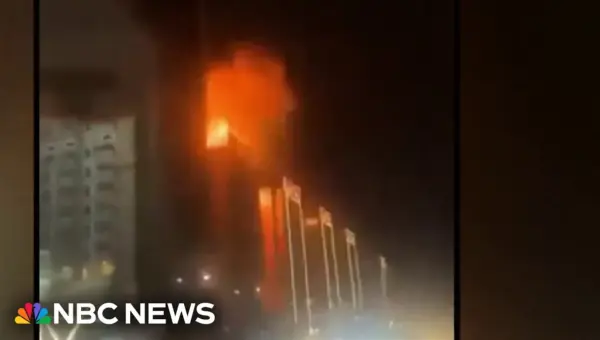
Iran has rejected a 15-point peace proposal from the Trump administration amid escalating tensions in the Middle East. The rejection comes as new attacks are reported across the region. Iran has presented its own five-point plan, demanding a halt to U.S. and Israeli actions.


Reeves Targets Energy Aid, Trump’s ‘Gift’ Fuels Speculation
UK Chancellor Rachel Reeves is shifting energy support to focus on benefit recipients, a move praised by some for fiscal responsibility but questioned for its bluntness. Meanwhile, Donald Trump's vague claims of a "gift" from Iran have sparked speculation about potential de-escalation or market manipulation. Separately, Labour's Angela Rayner criticizes the party's current strategy, drawing parallels to past electoral defeats and positioning herself for future leadership.