NASA Aims for Permanent Moon Base in $20 Billion Plan
NASA is planning to build the first permanent human base on the Moon within seven years, a $20 billion project that shifts focus from lunar orbit stations. This ambitious goal aims to send astronauts for scientific research and use the Moon as a stepping stone for Mars exploration.


NASA Announces Bold Plan for Permanent Moon Base
NASA is setting its sights on a historic achievement: establishing the first permanent human base on the Moon. The ambitious project, estimated to cost around $20 billion, aims to build this lunar outpost within the next seven years. This new strategy shifts focus away from earlier plans for a space station orbiting the Moon, prioritizing a direct human presence on the lunar surface.
The goal is to build upon the legacy of the Apollo missions, which last sent humans to the Moon over half a century ago. Unlike the brief visits of the past, this initiative envisions a lasting settlement. This marks a significant change from the short stays and robotic exploration that have characterized lunar missions since the first landing in July 1969.
Why a Permanent Moon Base?
The primary motivation behind this endeavor is to send skilled individuals to the Moon. These astronauts would possess the curiosity and adaptability needed to conduct geological research and make real-time decisions. The ability to send thinking, problem-solving humans is seen as crucial for advancing scientific understanding of the Moon.
The core challenge lies in the logistics and funding required to transport and assemble the necessary components for the base. This includes landing the equipment and then connecting everything to support human inhabitants. Securing the financial resources to make these complex steps a reality is a major hurdle.
International Competition and Future Goals
NASA’s ambitious Moon base plans are unfolding amidst a renewed international space race, particularly with Russia and China. Reports suggest that these nations are also developing lunar capabilities, including plans for a nuclear power plant at the Moon’s south pole. This competitive environment adds urgency to the United States’ lunar objectives.
Beyond immediate lunar goals, the Moon base is viewed as a critical stepping stone for even more distant exploration. The ultimate aim is to use the Moon as a practice ground and launchpad for future missions to Mars. This long-term vision aligns with aspirations for human exploration of the Red Planet, a goal that has been discussed for decades.
Partnerships and Skepticism
To achieve this monumental task, NASA plans to collaborate with commercial companies and international partners. This approach aims to share the costs and expertise needed for such a complex undertaking. NASA administrator Bill Nelson, who has strong ties to the private space industry, emphasized the importance of these collaborations.
However, the plan faces skepticism. Critics point to the fact that essential test flights for the necessary technology are still pending. The reliability and frequency of launch capabilities remain a concern for the timely execution of such a complex and expensive project.
Looking Ahead
NASA’s commitment to a permanent lunar presence signifies a new era of space exploration. The coming years will be critical in determining the feasibility of this $20 billion project. Key developments to watch will include progress on test flights, the securing of international and commercial partnerships, and the continued advancements by competing nations in the race to explore the Moon.
Source: NASA plans first permanent human base on the moon | DW News (YouTube)

Related Articles

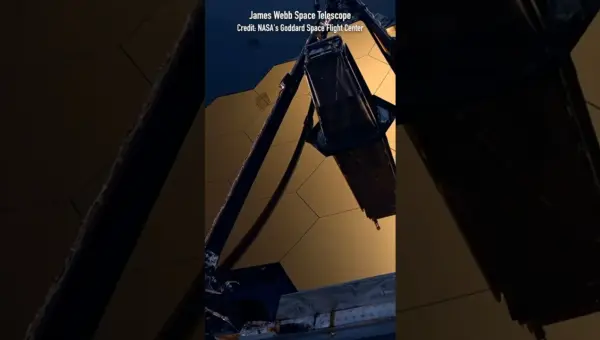
Webb Telescope Reveals New Cosmic Secrets
The James Webb Space Telescope has selected its next batch of scientific projects, promising new insights into alien worlds and the early universe. Researchers will use Webb to study exoplanet atmospheres, investigate distant galaxies, and explore objects within our own solar system.
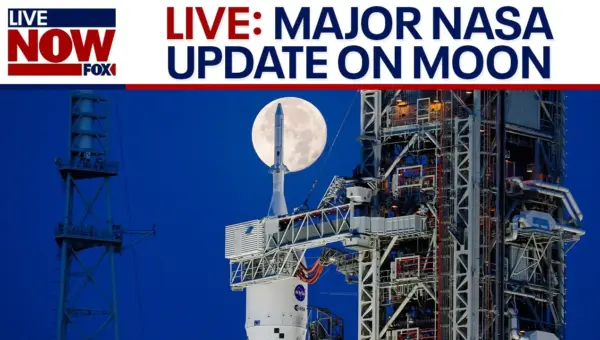
NASA Reveals Ambitious Moon Mission Updates
NASA held a significant public event on March 24 to update its plans for returning astronauts to the Moon by 2028. Key announcements included progress on establishing a permanent lunar base and advancements in nuclear propulsion for space travel. The agency detailed its strategy for sustained lunar presence and future Mars missions.


ZX Spectrum Lands Spaceship Using 1982 Tech
A 1982 Sinclair ZX Spectrum computer has successfully guided a simulated spacecraft to a lunar landing. Using a combination of emulation, serial communication, and a Python intermediary, the vintage machine controlled a lander in Kerbal Space Program. The project highlights the capabilities of early hardware and the dramatic progress in computing power.