Luxury Stocks Shed $100 Billion Amid Middle East Turmoil
Luxury giants LVMH, Hermès, and Richemont have collectively lost nearly $100 billion in market value over the past month. This decline is driven by concerns stemming from the Middle East conflict, a region crucial for the luxury sector's growth, particularly Dubai.

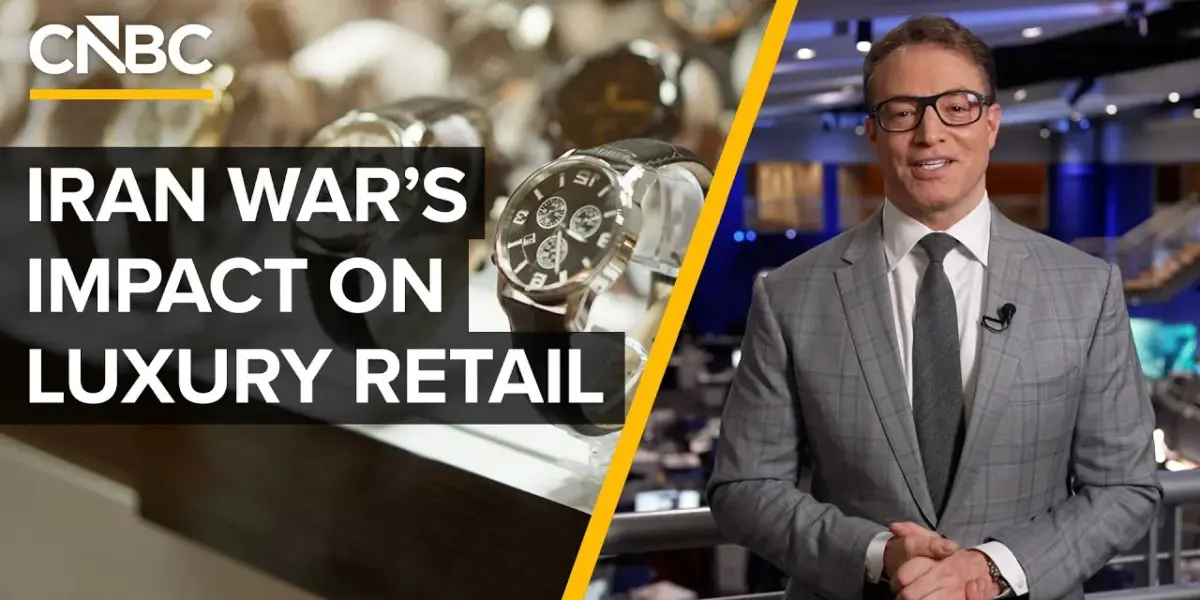
Luxury Giants Erase $100 Billion in Value Amid Mideast Conflict
The world’s biggest luxury companies, including giants like LVMH, Hermès, and Richemont, have seen nearly $100 billion wiped off their market value in just the past month. This significant loss is directly linked to growing concerns over the escalating conflict in the Middle East, a region that was the fastest-growing luxury market globally last year.
While the Middle East represents a modest 6% of total global luxury sales, or about $20 billion annually, its importance for future growth is undeniable. The broader global luxury market saw little change last year, remaining essentially flat. In stark contrast, the Middle East experienced growth between 6% and 8%, highlighting its key role in the sector’s expansion.
Dubai Emerges as a Luxury Hub
Dubai, in particular, has become a powerhouse for luxury spending. The city has seen its millionaire population more than double in the last ten years, now exceeding 81,000 individuals. This influx includes nearly 10,000 new millionaires who relocated to Dubai just last year, drawn by its vibrant economy and high spending potential.
These wealthy individuals hail from diverse backgrounds, including China, India, and Russia. The Dubai Mall has become a prime location, hosting many of the world’s top-performing luxury stores. For instance, the largest Rolls-Royce dealership globally is situated in Dubai, illustrating the immense purchasing power present in the city.
Investor Outlook: Bull vs. Bear Cases
The outlook for luxury stocks hinges on the swift resolution of the Middle East conflict. In a best-case scenario, often called the “bull case,” a rapid de-escalation would allow Dubai to resume its rapid growth trajectory, potentially even exceeding previous rates. A decrease in oil prices would further support consumer spending and boost investor confidence.
Conversely, the “bear case” paints a more challenging picture. This scenario anticipates that sustained high oil prices and a significant drop in tourism to key hubs like Dubai could harm the luxury industry for an extended period. The economic ripple effects of geopolitical instability could dampen consumer sentiment and reduce discretionary spending on high-end goods.
Market Impact and Investor Considerations
The Middle East’s influence on the luxury sector this year is complex. It extends beyond local demand from its wealthy residents to the global impact of oil prices, which are closely tied to regional stability. Investors are closely watching to see if the region can recover and support the financial health of luxury companies.
The current situation presents a clear risk to companies heavily reliant on growth from emerging luxury markets. Investors need to consider how geopolitical events can quickly impact global supply chains, consumer confidence, and corporate earnings. The luxury sector, known for its sensitivity to economic shifts, is particularly vulnerable to such disruptions.
Understanding the interconnectedness of global events and specific market segments is crucial. The performance of luxury stocks is not just a reflection of fashion trends but also a barometer of broader economic and geopolitical health. The coming weeks will be critical in determining the short-term impact on these high-value companies.
The next earnings reports from major luxury conglomerates will offer further insights into how the conflict is affecting their bottom lines. Investors will be looking for signs of resilience or continued weakness in the coming fiscal quarters.
Source: Luxury Giants Lose Billions In Market Value Amid Middle East Conflict (YouTube)

Related Articles


Iran Rejects Trump Peace Plan Amid Escalating Middle East Conflict
Iran has rejected a 15-point peace proposal from the Trump administration amid escalating tensions in the Middle East. The rejection comes as new attacks are reported across the region. Iran has presented its own five-point plan, demanding a halt to U.S. and Israeli actions.


Plane Crash, Airport Chaos, and a Social Media Verdict
New details emerge from the LaGuardia plane crash investigation, highlighting potential failures in tracking systems and air traffic control staffing. Meanwhile, a potential deal to fund the TSA could end airport chaos, and Meta faces a landmark verdict for endangering children on its platforms.
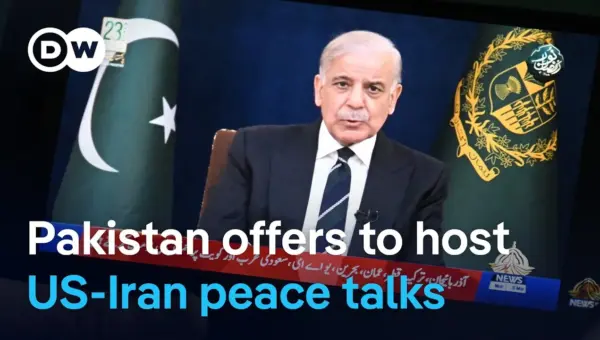
Pakistan Offers to Host US-Iran Peace Talks Amid War
Pakistan's Prime Minister Shehbaz Sharif has offered to host peace talks between the U.S. and Iran to end the ongoing war in the Middle East. His proposal comes as diplomatic efforts face challenges, with Iran denying direct talks with U.S. officials. Analysts note the complexity of the situation and the critical need for dialogue.