US Pays Tiny Rent for Guantanamo Bay in Cuba
The U.S. pays a mere $4,000 annually for the Guantanamo Bay Naval Base, a lease established in 1898. Fidel Castro famously refused rent payments, creating a lasting standoff. The base has since become a symbol of U.S. power and legal controversy.

US Pays Pocket Change for Guantanamo Bay Base
The United States pays a remarkably small amount for its naval base at Guantanamo Bay, Cuba. For a piece of land roughly the size of Paris, the U.S. Pays just over $4,000 per year. This arrangement has its roots in events over a century ago, sparking a long-standing point of contention between the two nations.
From Liberation to Control
The story begins in 1898 when the United States helped Cuba gain independence from Spanish rule. However, the U.S. Exerted significant influence, pushing Cuba to sign an agreement that placed the island under strong U.S. Control. This agreement allowed the U.S. To establish several military bases on Cuban territory.
Most of these bases were later removed, but Guantanamo Bay remained. The lease for this base was set at a fixed, low annual rent and was intended to be permanent.
Castro’s Standoff with the U.S.
Tensions escalated dramatically when Fidel Castro came to power in Cuba. As the island’s communist leader, Castro immediately clashed with the United States. He nationalized U.S.-owned businesses, effectively seizing them.
Despite this, Castro had no power to force the U.S. Military out of Guantanamo Bay. The U.S. Continued to send the annual rent checks, which Castro refused to accept, creating a persistent standoff that has never truly been resolved.
Guantanamo’s Shifting Reputation
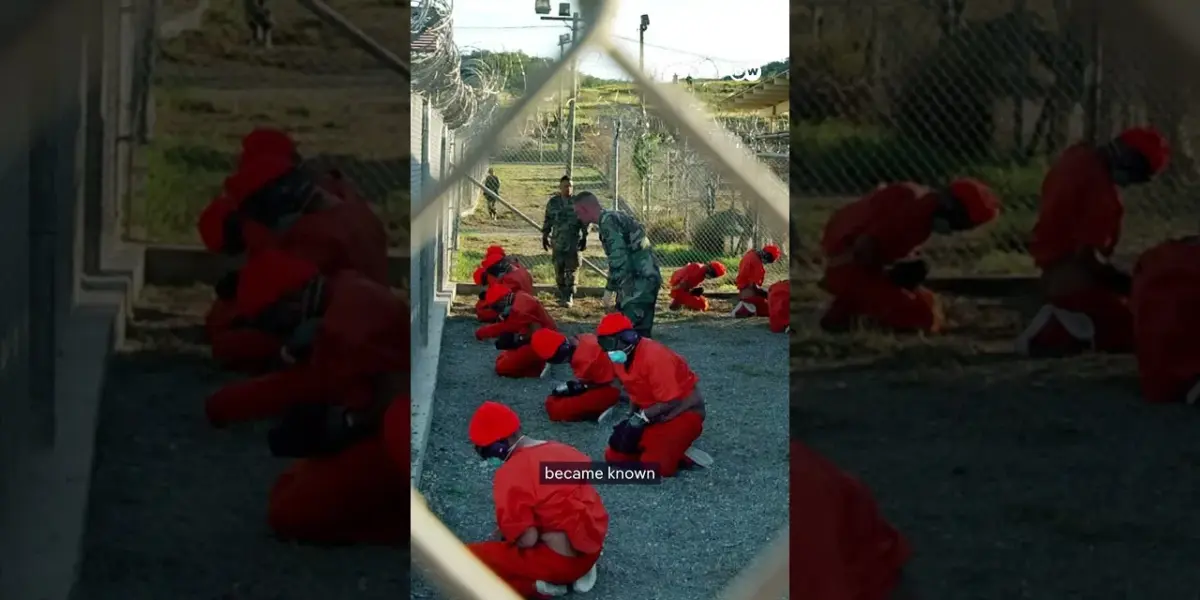
Decades after Castro’s refusal to accept rent, Guantanamo Bay became known for a very different reason. The U.S. Began using the base to detain individuals suspected of terrorism.
These detainees were held outside the regular U.S. Court system, creating what many saw as a legal gray area. For numerous critics, Guantanamo transformed into a symbol of American power and perceived abuses.
Cuba’s Growing Opposition
For Cuba, the continued U.S. Presence at Guantanamo Bay became even more difficult to tolerate. The base, a physical reminder of past U.S. Intervention, represented a loss of sovereignty. This sentiment has fueled decades of Cuban demands for the return of the territory.
Recent Controversies and Rhetoric
More recently, the base has been at the center of new controversies. Former U.S. President Donald Trump controversially sent migrants to detention facilities at Guantanamo.
He also publicly discussed the possibility of the United States taking over Cuba entirely. Trump stated his belief that he could do anything he wanted with the island, suggesting a desire to end Cuba’s government and economy.
A Tiny Slice of U.S. Soil
With Guantanamo Bay, a small part of the United States already exists within Cuba’s borders. The idea of the U.S. Potentially exerting more control over the entire island, as suggested by past rhetoric, highlights the complex and sensitive relationship between the two countries. The future of the base and its implications for Cuban-U.S. Relations remain a subject of ongoing discussion.
The U.S. Pays just over $4,000 a year for the Guantanamo Bay Naval Base in Cuba. This agreement dates back to 1898 and has been a source of tension, particularly since Fidel Castro refused to accept rent payments after taking power.
Source: Guantanamo: the tiny rent behind a huge conflict | DW News (YouTube)

Related Articles


Iran War Disrupts Global Internet: Submarine Cables at Risk
The conflict in Iran is impacting global internet access by threatening crucial undersea cables in the Persian Gulf, Strait of Hormuz, and Red Sea. Damage to these data highways forces traffic onto slower routes, causing slowdowns and potential outages far beyond the region. Repairing the cables is also extremely difficult due to ongoing hostilities, leaving them vulnerable for extended periods.
US, Iran Spar Over Talks Amid Regional Tensions
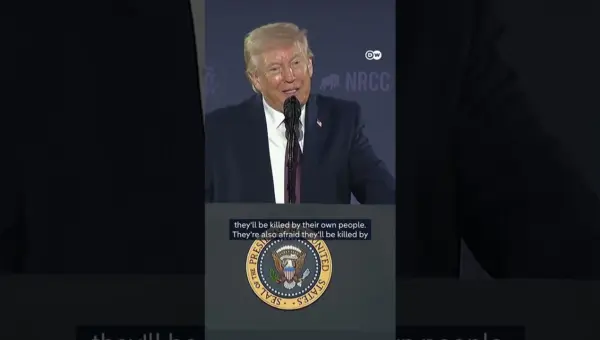
US officials claim Iran is eager to negotiate a deal, despite internal fears preventing them from openly admitting it. The comments suggest a belief in strong US regional influence and highlight perceived hesitations within the Iranian leadership regarding their own positions.
US Military Obliterates Iran’s Capabilities in 26 Days
U.S. forces have crippled Iran's military capabilities in just 26 days through Operation Epic Fury, achieving objectives weeks ahead of schedule. The operation destroyed Iran's navy, air force, and missile infrastructure, prompting diplomatic talks. Domestically, the administration highlighted economic growth, tax refunds, and efforts to lower drug prices.