Artemis Astronauts Explore Lunar Craters for Cosmic Clues
Artemis astronauts are studying lunar craters, viewing them as historical records of the moon and solar system's past. Their mission focuses on the moon's far side, where human eyes can spot details missed by cameras. This research is crucial for understanding lunar formation and planning future safe missions.

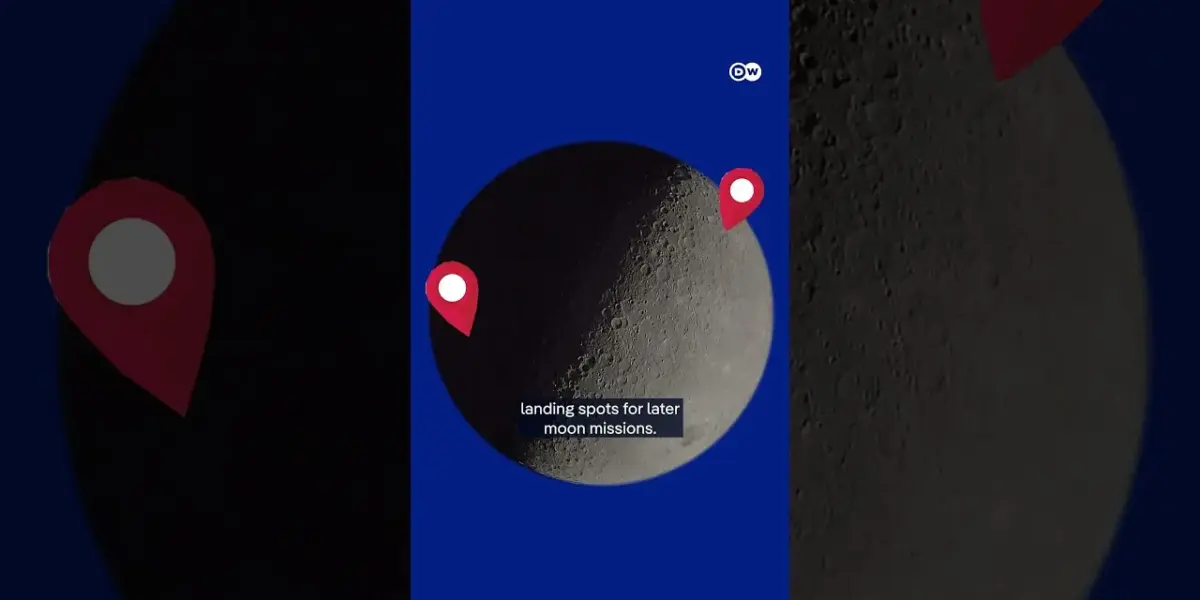
Moon’s Scars Hold Secrets of Solar System History
Artemis astronauts are undertaking a crucial mission on the moon: studying its craters. These impact sites are not just holes in the lunar surface; scientists see them as a historical record.
They offer vital clues about the moon’s past, Earth’s history, and the evolution of our entire solar system. Understanding these ancient impacts is key to unlocking some of science’s biggest questions about our cosmic neighborhood.
Why Lunar Craters Matter to Science
Lunar craters are formed when asteroids or meteoroids crash into the moon’s surface. Each impact leaves a permanent mark, like an entry in a cosmic guest book.
By examining these craters, scientists can reconstruct timelines of events that shaped not only the moon but also our own planet. This historical data is essential because many fundamental questions about the moon’s formation remain unanswered.
The moon’s origin is still a subject of intense scientific study. Craters may hold the key to understanding how and when our celestial neighbor came to be.
This knowledge helps build a more complete picture of how planets and moons form in general. It’s a puzzle where every piece of lunar evidence is incredibly valuable.
Human Eyes Spot Details Cameras Miss
The Artemis program is specifically focusing on craters located on the far side of the moon. This is the hemisphere that always faces away from Earth, making it difficult to study remotely.
The presence of human astronauts offers a significant advantage in this exploration. Astronauts can observe details and subtle changes on the ground that automated cameras might overlook.
Direct human observation allows for a more nuanced understanding of the lunar environment. Astronauts can identify features and anomalies that could be crucial for scientific analysis.
This hands-on approach is vital for gathering the most accurate and detailed information possible from these remote locations. Their ability to react to unexpected findings is also a major benefit.
Planning Future Missions and Protecting the Moon
Beyond understanding history, studying lunar craters is critical for planning future space exploration. Scientists use the information gathered to identify potential hazards and safe landing zones for upcoming lunar missions. This foresight helps ensure the success and safety of future endeavors, whether they involve robotic probes or human crews.
Understanding the moon’s existing features is important before humanity begins to significantly alter its surface. The Artemis astronauts are essentially learning about the moon’s natural history. This knowledge will guide responsible exploration and development, ensuring that we don’t inadvertently damage or obscure the very records we are trying to study.
The Ongoing Quest for Lunar Knowledge
The Artemis missions represent a renewed commitment to lunar science. By sending astronauts to examine these ancient impact sites, NASA and its partners are pushing the boundaries of our knowledge.
The data collected from these crater studies will likely fuel scientific understanding for years to come. Future reports from the Artemis astronauts will detail their findings from the moon’s far side.
The next phase of the Artemis program will involve continued exploration of these scientifically rich areas. Future missions will build upon the initial discoveries, seeking to answer long-standing questions about the moon and the solar system. The ongoing analysis of lunar craters promises to reveal more about our place in the cosmos.
Source: Artemis reads the moon | DW News (YouTube)

Related Articles


Moon Missions Race for Resources, Not Just Science
Humanity's return to the Moon is driven by a new space race focused on political competition and the potential for valuable resource extraction, rather than solely scientific discovery. Programs like NASA's Artemis highlight this shift, preparing for long-term lunar bases and future Mars missions by studying human health in space.

Honeywell CEO Details Aerospace Spin-off, AI Push
Honeywell's CEO Vimal Kapur detailed the company's ongoing role in space missions, including Artemis II, and announced the upcoming spin-off of its aerospace division. He also discussed the deployment of "Physical AI" to boost industrial efficiency and address labor shortages. The company is strategically separating into three focused entities to maximize growth potential.


Humanity Will Dominate Solar System, Conquer Space’s Challenges
Humanity is poised to dominate the solar system, driven by economic expansion. Experts discuss the challenges of interplanetary living, favoring rotating space stations over low-gravity planets. The vastness of the universe and the realities of space observation are explored, alongside the crucial lessons learned from ISS missions and the significant hurdles yet to overcome for Mars colonization.