Trump’s SCOTUS Tirade Backfires, Alienating Key Allies
Donald Trump's aggressive attacks on the Supreme Court following a tariff ruling are backfiring, alienating justices and potentially undermining his own legal and political standing. The unprecedented personal assaults are seen as a self-destructive tactic with significant implications for the judiciary's independence.

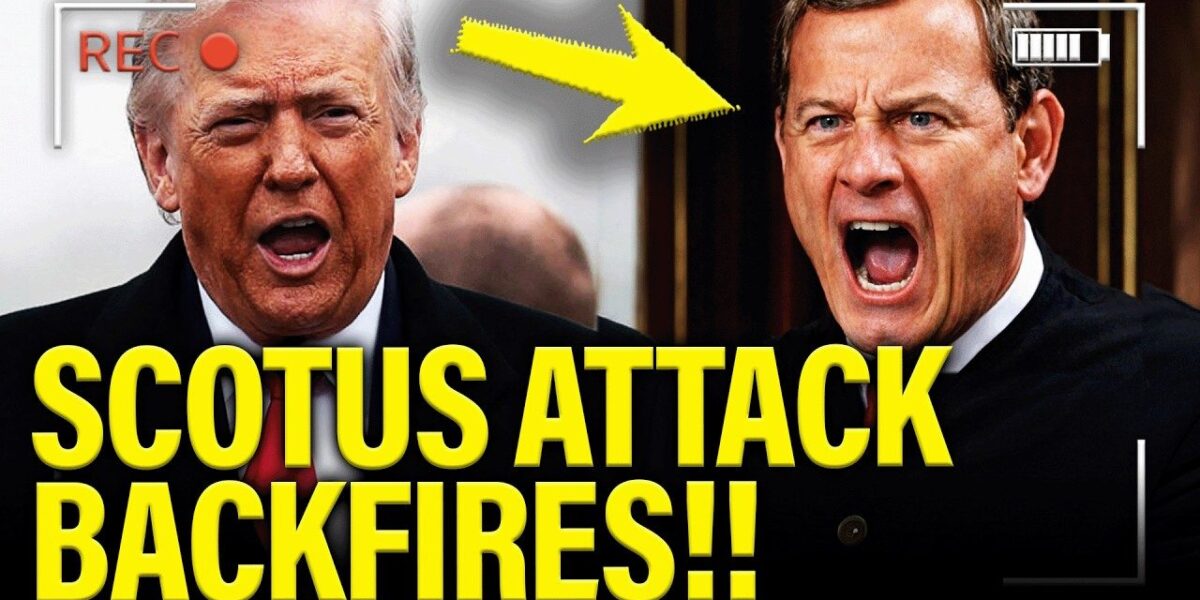
Trump’s SCOTUS Tirade Backfires, Alienating Key Allies
Donald Trump’s recent public attacks on the United States Supreme Court, particularly following a ruling that blocked his tariffs against global trade, appear to be backfiring spectacularly. The former president’s uncharacteristic and deeply personal assaults on the justices, including accusations of being foreign agents and causing shame to their families, are being widely interpreted as a self-destructive tactic that could alienate not only the judiciary but also a broader segment of the electorate.
A Pattern of Personal Attacks
The transcript highlights a consistent pattern in Trump’s behavior, both in and out of politics, of personally attacking judges when faced with unfavorable rulings. This approach, while perhaps satisfying to his base, has historically led to negative consequences, with observers noting that such conduct rarely ends well for the aggressor and is often remembered by the judiciary.
The specific instance under scrutiny involved a Supreme Court ruling that, according to the transcript, clearly aligned with existing law regarding tariffs, an area constitutionally defined as a power of Congress. Despite the legal clarity of the decision, Trump’s reaction was swift and severe.
He expressed deep disappointment and shame for certain members of the court, accusing them of lacking the courage to do what is right for the country. This rhetoric escalated, with Trump labeling the justices as a “disgrace to our nation” and suggesting that “Democrats on the court are thrilled” but would “automatically vote no.” He even extended these criticisms to the conservative justices he appointed, implying they were an “embarrassment to their families.”
Escalating Accusations and Historical Parallels
The attacks did not stop at personal insults. Trump also floated unsubstantiated claims of foreign influence over the Supreme Court, cryptically stating, “You’re going to find out” when pressed for evidence. This rhetoric draws a stark contrast with legal systems in other countries, where leaders like Brazil’s Jair Bolsonaro and South Korea’s former President have faced severe legal repercussions, including imprisonment, for actions deemed insurrectionary.
In the UK, even a former royal is facing criminal charges and stripped of titles. This comparison highlights the perceived leniency or, in Trump’s view, the perceived failure of the US Supreme Court to hold him accountable, despite the clear legal grounds for the tariff ruling.
The “Backfiring” Effect
The analysis suggests that Trump’s strategy is not only alienating the Supreme Court but also exacerbating existing negative perceptions of his campaign. The transcript points to declining support for Trump, particularly in light of recent events like the Epstein files and controversial stances on environmental issues.
The Supreme Court attacks are seen as a self-inflicted wound, making a bad situation worse and reinforcing the image of “demented behavior” among his critics. This is particularly concerning given that Trump will likely face further legal challenges before the same court.
“Demented is perfectly true. It couldn’t be stupider.
Just as you say, imagine when those nine are in front of them. Imagine the next time they won’t, you know, let themselves be swayed by it.”
Psychological and Strategic Missteps
Commentators dig into the psychological underpinnings of Trump’s reactions, suggesting a deep-seated belief that his appointees owe him personal loyalty rather than duty to the country or the law. This perceived sense of entitlement, coupled with an inability to control his anger and rhetoric, leads him to alienate even those who have benefited from his appointments. The transcript notes the apparent contradiction in his statements, where he simultaneously decries a ruling as the “worst decision ever” while also seeking to downplay its impact and explore alternative avenues.
The smart play, according to the analysis, would have been to accept the ruling gracefully and pivot to other strategies. Instead, Trump’s inability to restrain himself has transformed a potentially neutral or even favorable outcome into a public spectacle that paints the Supreme Court, including its conservative members, as “enemies of the people.” This is seen as detrimental to his broader political agenda, which relies on navigating the legal system and potentially securing favorable rulings from the very court he is now publicly attacking.
The Vulnerability of Judges
A crucial point raised is the inherent vulnerability of judges. Unlike politicians, they are largely prohibited from defending themselves publicly against personal attacks.
The transcript recalls a past instance where President Obama made a statement about the Supreme Court that was perceived as less severe than Trump’s current tirade, yet it elicited a visible reaction from Justice Alito. This suggests that such public vilification, especially from a figure as prominent as a former president, can have a lasting impact on the judiciary, potentially influencing future decisions or at least creating a deeply uncomfortable environment.
Why This Matters
Trump’s attacks on the Supreme Court represent more than just a political gaffe; they strike at the heart of the judiciary’s independence and public trust. By demonizing the court, even when it rules in ways that seem legally sound but perhaps politically inconvenient for him, Trump erodes the very institutions he seeks to lead.
This behavior sets a dangerous precedent, encouraging disrespect for the rule of law and potentially emboldening others to attack judicial decisions based on personal animosity rather than legal reasoning. The long-term implications include a judiciary that may feel increasingly pressured or politicized, undermining its key role in a democratic society.
Implications, Trends, and Future Outlook
The trend of political figures attacking judicial decisions is not new, but Trump’s intensity and personalization of these attacks are unprecedented. This could lead to a more polarized judiciary, where justices are perceived through a partisan lens, regardless of their legal reasoning. The future outlook suggests a continued tension between the executive and judicial branches, especially if Trump remains a significant political force.
His strategy, while seemingly effective in mobilizing his base, risks alienating moderate voters and alienating the very institutions he may need to rely on. The transcript implies that the Supreme Court justices, despite being human and potentially affected by personal attacks, are still bound by law. However, the psychological impact of such sustained public condemnation cannot be ignored and may subtly influence the atmosphere within the court or the perception of its rulings.
Historical Context and Background
Throughout American history, presidents and political leaders have sometimes expressed frustration with Supreme Court decisions. However, direct, personal attacks on the integrity and character of individual justices, especially by a former president who appointed some of them, are rare. The current Supreme Court, with its conservative majority, has been a focal point of political debate.
Trump’s reliance on these appointments for his legal defenses makes his current attacks particularly striking and strategically questionable. The ruling on tariffs, while seemingly straightforward legally, has become another flashpoint in the ongoing political battles, highlighting the intersection of law, politics, and personal ambition.
Source: Trump’s SCOTUS ATTACK after Ruling QUICKLY BACKFIRES in HIS FACE! (YouTube)

Related Articles

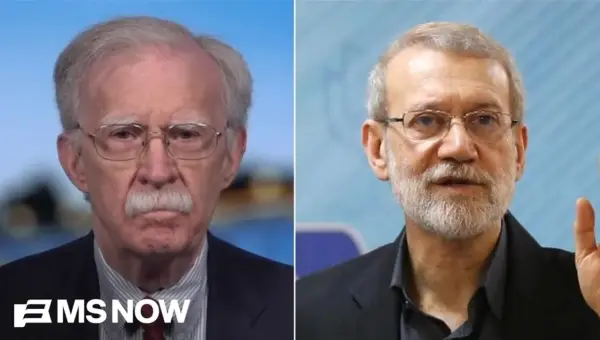
Bolton Slams Trump’s Iran Policy as ‘Snake-Like’
John Bolton, former National Security Advisor, has strongly criticized former President Trump's Iran policy as "snake-like" and lacking a clear strategy. Bolton stated that Trump's decisions were often impulsive, undermining U.S. credibility and creating instability in the Middle East. He called for a more consistent and strategically grounded approach to foreign policy.
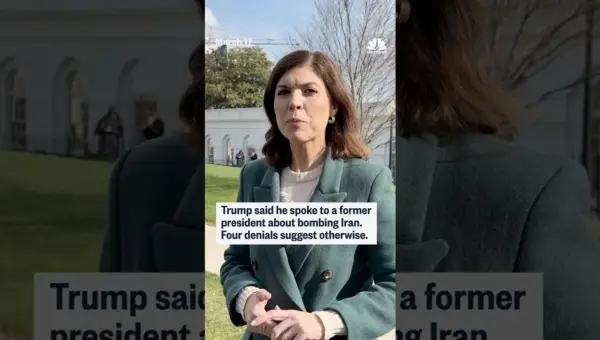
Trump Claims Presidential Call; Four Denials Emerge
Former President Donald Trump claimed he spoke with a past president who regretted not taking a certain action, implying approval of his own policies. However, aides for George W. Bush, Bill Clinton, Barack Obama, and sources close to Joe Biden have all denied any such conversations occurred. Trump has remained evasive when asked to identify the individual.
Roberts Decries ‘Dangerous’ Attacks on Judges
Chief Justice John Roberts has warned that personal attacks against judges have become "dangerous." While acknowledging that criticism of court opinions is healthy, Roberts drew a sharp distinction between debating legal analysis and directing hostility towards individual judges. He emphasized that this shift risks undermining the integrity and independence of the judiciary.