Oil Prices Skyrocket Amid Strait of Hormuz Closure
The Strait of Hormuz is now effectively closed due to conflict, disrupting a third of the world's oil supply and sending prices soaring. Experts warn of a new cost of living crisis as fuel and product costs rise globally.

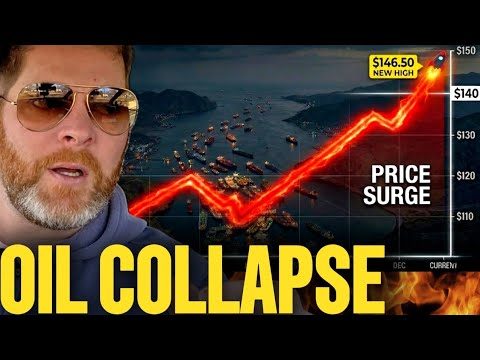
Global Oil Supply Disrupted as Conflict Escalates
A new conflict involving the United States, Israel, and Iran has led to the effective closure of the Strait of Hormuz, a critical chokepoint for global oil transportation. This development has sent shockwaves through the international market, with projections indicating a potential surge in oil prices to between $100 and $140 per barrel. The disruption threatens to exacerbate existing economic pressures worldwide, impacting everything from fuel costs to the price of everyday consumer goods.
Economic Repercussions for Consumers and Allies
The ramifications of the Strait of Hormuz closure extend far beyond the immediate parties involved. Experts warn that the increased cost of oil, often described as the “blood of the supply chain,” will inevitably lead to higher prices for a vast array of products.
This includes essential items such as fresh food, baby formula, and even petroleum-based goods manufactured in the United States. The situation is poised to intensify a cost of living crisis, disproportionately affecting the working class and potentially turning basic necessities into luxury items.
Nations that have sought to distance themselves from American foreign policy, including allies in Europe and Canada, are also bracing for the economic fallout. The conflict is seen as dragging these countries into a new wave of inflation, particularly as winter approaches and utility costs are expected to rise. The interconnectedness of the global economy means that actions in one region can have widespread and unavoidable consequences for others.
Profit Motives and the Military-Industrial Complex
Amidst the growing economic uncertainty, questions are being raised about who stands to benefit from the escalating oil prices. Critics point to “big oil” companies, suggesting they are positioned to achieve record profits.
There are also concerns that the military-industrial complex is leveraging these fringe conflicts to its advantage, fostering a scenario where prolonged engagement is financially beneficial. The transcript suggests a worrying merger between corporate interests and US military actions, where geopolitical events are exploited for financial gain.
“A rogue state with imperial goals doesn’t actually care if you can afford to live as long as there’s a profit being made.”
This perspective frames the current crisis not as an isolated geopolitical mistake, but as a calculated outcome of powerful organizations seeking to strengthen their profits. The removal of key international oil rivals like Venezuela and Iran is seen as granting American oil companies greater leverage and control over the global market.
Strategic Importance of the Strait of Hormuz
The Strait of Hormuz is one of the world’s most vital maritime chokepoints, through which approximately one-third of the world’s oil supply passes. Its strategic importance is significant.
The closure, reportedly due to naval mines, has effectively halted maritime traffic. Insurance companies, unwilling to underwrite the risks associated with passage through the contested waters, have further compounded the issue, leading to a de facto shutdown of this crucial transit route.
Navigating the Crisis: Advice for Consumers
In light of the projected price hikes and supply chain disruptions, advice is being offered to consumers to prepare for further economic strain. This includes stocking up on essential, non-perishable goods such as rice, flour, and canned items, as well as securing clean water.
The recommendation is to fill pantries and prepare for potential increases in the cost of utilities, food, and transportation. The message is one of proactive preparation as the global economic landscape shifts.
Future Outlook and Emerging Tensions
The ongoing conflict and its economic consequences suggest a period of sustained volatility. The situation in Iran is marked by internal power shifts, with the IRGC reportedly gaining prominence.
Retaliatory actions and continued regional instability are anticipated, further complicating efforts to reopen the Strait of Hormuz. The broader implications for global stability and economic resilience remain a significant concern, with the current crisis serving as a clear reminder of the fragility of international supply chains in the face of geopolitical conflict.
Source: Get Gas NOW The $140 Oil Shock is Here (YouTube)

Related Articles


Oil Surges Past $115 as Iran Conflict Hits Energy Hubs
Oil prices have surged past $115 per barrel as direct attacks on critical energy infrastructure in the Middle East escalate. European gas prices have nearly tripled, impacting electricity costs and global inflation. This spreading conflict threatens economic growth as central banks face pressure to raise interest rates.


Bitcoin Plunges Amid Geopolitical Fears, Oil Surges
Bitcoin and major stock indices are experiencing sharp declines amid escalating geopolitical tensions and concerns over rising inflation. While the energy sector is surging, cryptocurrencies are showing significant weakness, with analysts warning of potential further downside for Bitcoin. Market participants are closely watching global events and central bank policy for direction.
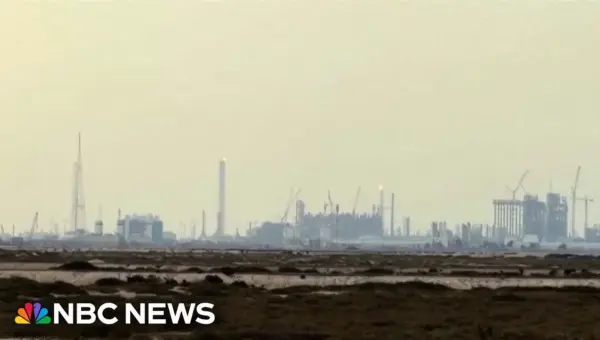
Oil Prices Spike After Attacks on Energy Sites
Oil prices surged this week following a wave of U.S. airstrikes in Iran and attacks on energy sites in Qatar. Vice President Vance called the price increases a 'temporary blip,' while intelligence briefings revealed disagreements over the immediacy of the threat from Iran. Military actions targeted missile facilities along the Strait of Hormuz.