PIMCO Expert Sees Inflation Lag, Favors Shorter Bonds
PIMCO Vice Chair John Studzinski believes Federal Reserve nominee Kevin Warsh handled his Senate testimony well, affirming his independence. Studzinski anticipates a Fed pause next week but sees potential for one more rate cut by year-end, citing lagging inflation impacts from energy and supply chain shocks. He favors shorter-duration bonds amidst market volatility.

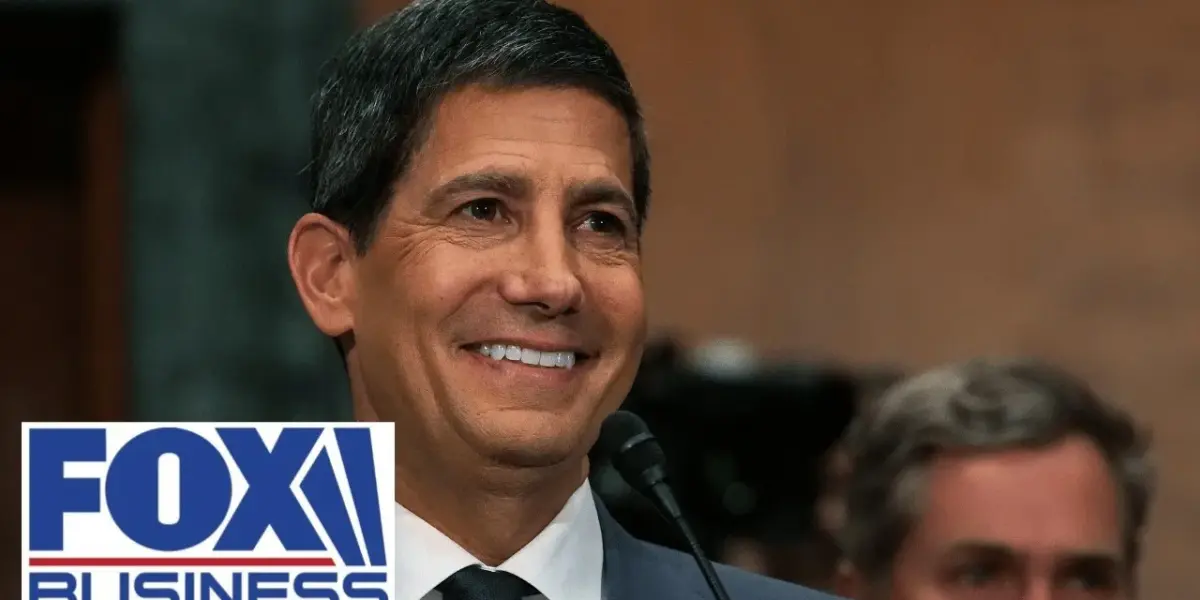
Fed Nominee Faces Rate Cut Questions Amid Inflation Fears
The U.S. 10-year Treasury yield climbed over 8 basis points to 3.8%, highlighting investor focus on potential Federal Reserve interest rate policy. This move occurred as Kevin Warsh, a nominee for Federal Reserve Chairman, faced tough questions during his Senate hearing. Both Republicans and Democrats pressed Warsh on the Fed’s independence and his willingness to resist President Trump’s demands for lower interest rates.
Senator John Kennedy of Louisiana directly questioned Warsh’s commitment to the Fed’s independence. “Can we agree that your credibility as Fed Chairman is the most important thing you have?” Kennedy asked. Warsh affirmed, stating, “It’s the most important thing to me, the institution, and the successful conduct of policy.” However, President Trump had previously stated he would only appoint someone who agreed to lower rates, creating a clear conflict.
Warsh Affirms Independence, PIMCO Expert Weighs In
Warsh firmly stated he would not agree to predetermine interest rate decisions. “President Trump first asked me to predetermine, commit to, or decide on any interest rate decision in any of our discussions.
Nor would I agree to do so,” Warsh told the committee. This clear stance on independence was met with approval from financial industry professionals.
John Studzinski, Vice Chair at PIMCO, known for its expertise in fixed income, reacted positively to Warsh’s testimony. “He is a class act. I think he handled himself well,” Studzinski said.
Having known Warsh for years from their time at Morgan Stanley, Studzinski described him as disciplined, professional, and measured throughout his career. He anticipates Warsh will be confirmed, noting that other matters need to be resolved first.
Inflationary Pressures and Fed’s Next Move
Studzinski highlighted the current market environment as one of extraordinary volatility and disruption. He stressed the critical need to bring down inflation, especially if it remains persistent. The Federal Reserve Chair, he explained, must provide strong leadership, but policy is set by a committee with diverse regional economic views.
The market widely expects the Federal Reserve to pause interest rate hikes next week. This meeting is also anticipated to be Chairman J.
Powell’s final one before potentially stepping down from the chair role, though he wishes to remain on the board. Studzinski noted that inflationary pressures from the Iran war, affecting gasoline and chemical fertilizer prices, could lead to higher food costs.
PIMCO’s Outlook: One More Rate Cut Possible
Despite these pressures, Studzinski indicated that his colleagues at PIMCO are considering the possibility of one more rate cut by the end of the year. He emphasized the significant lag effect of current energy and supply chain shocks on the economy. “We are just beginning to see some implications of that in the economy,” he stated.
This means policymakers should be cautious about immediately shifting to a different interest rate environment. Studzinski believes that immediate rate cuts, which are typically stimulating, may not be the right approach given the uncertain economic outlook and ongoing supply chain issues.
AI’s Long-Term Deflationary Potential
The discussion also touched on the potential impact of artificial intelligence (AI) on productivity and inflation. One viewpoint suggests AI could lead to significant productivity gains, making it deflationary. However, Studzinski cautioned that this is a long-term prospect, likely more than 24 months away.
He explained that companies are currently investing in AI to become more efficient and manage costs, often leading to layoffs. This job reduction is more about managing expenses and allocating capital to AI development. The true productivity gains and deflationary effects from AI are expected to materialize much later, potentially years from now.
Investing Amid Volatility: Shorter Durations Preferred
In the face of geopolitical uncertainty and market volatility, Studzinski advised investors to focus on active management opportunities. The current market, characterized by dislocation and unusual correlations, presents a chance to generate alpha, or outperformance, rather than relying on broad market movements (beta).
Regarding the yield curve, PIMCO still favors shorter durations over longer ones. This includes investments like Treasury bills (T-bills) and two-year Treasury notes. They also maintain a positive view on certain mortgages and inflation-protected securities.
Private Credit Market: Underwriter Driven, Not Systemic
The conversation shifted to the private credit market, which experienced some stress at the end of last year. Concerns arose following issues with companies like Blue Owl and broader anxieties about AI rendering traditional software investments obsolete. A recent Reuters report indicated that Thoma Bravo, a major private equity firm, acknowledged a mistake in a prior investment.
Studzinski reassured that the current issues in private credit are not systemic. “My colleagues and I are focused on the fact that the private credit shock is not systemic. It is underwriter driven, it is case by case.
It is manager driven,” he stated. He attributed the problems to flawed credit underwriting, not a broad market failure.
Asset-Based Finance Offers Opportunity
While cautioning against certain direct lending areas where credit decisions may have been made by inexperienced individuals or in haste, Studzinski expressed enthusiasm for asset-based finance. This includes areas like real estate, music royalties, life insurance, and solar panels.
This sector, he believes, offers more stable and reliable investment opportunities compared to some segments of direct lending that have shown weakness. The focus remains on carefully selecting investments based on solid underwriting and specific asset value.
Source: PIMCO vice chairman: Warsh is a ‘CLASS ACT’ (YouTube)

Related Articles

Americans Give Trump’s Economy Failing Grades
Everyday Americans are expressing significant frustration with the current U.S. economy, with many giving it failing grades like 'F' and 'C-'. Concerns about the rising cost of living and personal financial struggles were voiced by individuals polled at a gas station in Orlando. These sentiments highlight a disconnect between national economic indicators and the lived experiences of many citizens.
Trump’s Worst Polls Signal Deep Voter Discontent
Donald Trump is facing historically low poll numbers, particularly on the critical issue of inflation. Analysts are baffled as his support continues to erode to record lows. These numbers suggest significant voter dissatisfaction with his economic leadership.
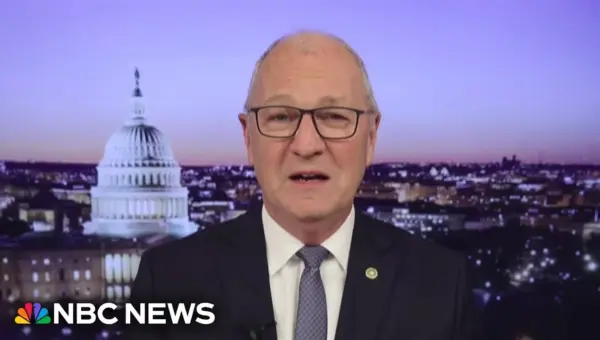
Senator Cramer: Fed Probe Unnecessary, Warsh Nomination Needs Swift Action
Senator Kevin Cramer has called the criminal probe into Federal Reserve Chair Jerome Powell "unnecessary." He believes the Department of Justice should drop the investigation to help clear the path for Kevin Warsh's swift confirmation as the next Fed chair. Cramer also expressed optimism about gas prices decreasing and the U.S. ability to secure a deal with Iran.