US Iran Tactic Signals New War Game for China
The US actions against Iran, including military and economic pressure, may be a test for a potential conflict with China. Observers suggest this strategy could be a rehearsal for blockading China's maritime lifelines. Leaders in the Indo-Pacific are watching these developments closely.

US Iran Tactic Signals New War Game for China
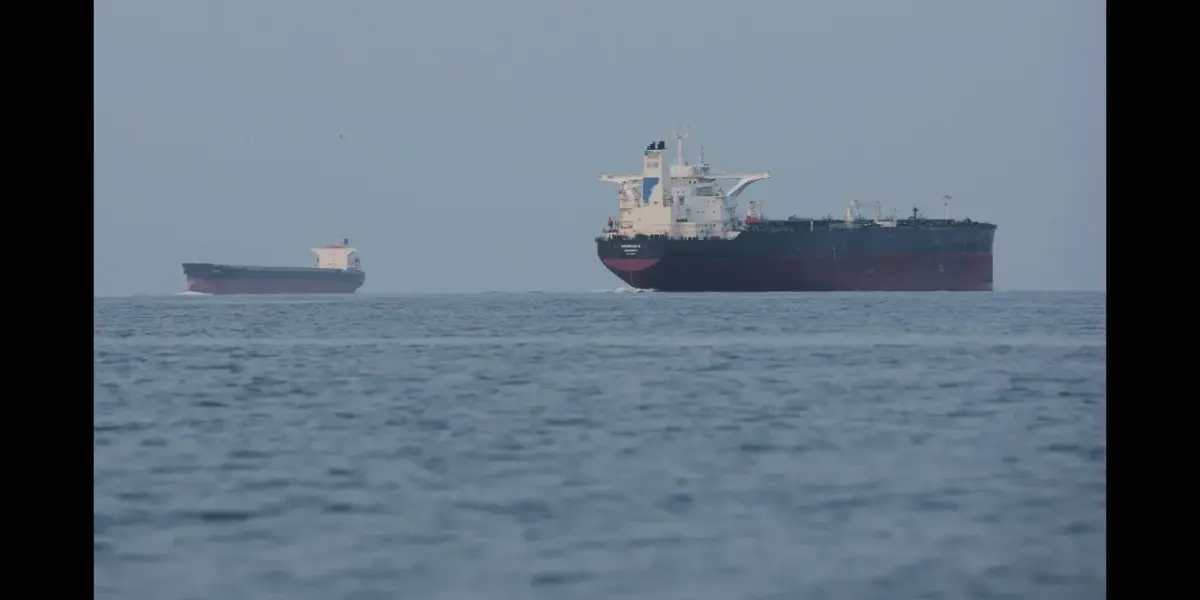
The United States’ actions against Iran might seem focused on the Middle East, but some observers believe they are a clear message to China. This approach, involving economic and military pressure, could be a test run for how the US would handle a future conflict with China in the Pacific. Leaders in the Indo-Pacific region are watching these developments closely, wondering what they might mean for them down the road.
For about 55 days, the US has been applying maximum pressure on Iran. This includes Operation “Fury” and financial sanctions.
China commentator Dr. Jason Ma suggests this strategy is indirectly aimed at Beijing. He believes that while the US may be targeting Iran openly, it is actually going after the hidden network of energy and material supplies that supports Iran, a network he says is centered around the Chinese Communist Party.
Dr. Ma explains that the US is using actions like blockading ships linked to Iran and restricting trade with banks that deal with Tehran. These measures might be more than just about the current conflict.
They could be a way for Washington to practice and test its ability to enforce a maritime blockade on a global scale. This process itself acts as a strong warning to China.
The US actions in the region could be seen as practice for a larger effort in the future. Such an effort might aim to cut off China’s vital sea routes, making it very difficult for a sanctioned China to function.
This new type of warfare is described as more modern, more precise, and harder to fight back against. It aims to cause long-term strategic damage with less political risk.
The very process of carrying this out is a powerful deterrent to the Chinese Communist Party.
The Indo-Pacific remains a top concern for the US military, even with the ongoing situation in Iran. Taiwan, a self-governing democracy, is at the heart of the tensions in this area. The US depends on Taiwan for its advanced microchip manufacturing and views it as a key partner in the region.
However, the Chinese Communist Party has stated its intention to take control of Taiwan, by force if necessary. This threat keeps the possibility of an invasion on the table.
Beijing has conducted numerous military drills around Taiwan in recent years. The Taiwan Strait, separating Taiwan and China, is also a crucial supply line for energy for US allies like Japan and South Korea.
Singapore’s foreign minister recently spoke about how a potential conflict between the US and China might play out. He noted that the biggest risk is the breakdown of relations between the two superpowers. If a war were to occur in the Pacific, he suggested that what is happening now in the Strait of Hormuz would be like a simple practice session.
Why This Matters
The US strategy in Iran highlights a growing trend in international relations: the use of economic and military tools not just to address immediate crises, but also as strategic signals and practice for future geopolitical challenges. This approach allows nations to test their capabilities and project power without direct confrontation, which can be seen as a less risky, more modern form of warfare.
Implications and Future Outlook
This indirect approach, if successful, could redefine how major powers exert influence and prepare for conflict. It suggests a future where economic blockades and targeted sanctions are primary tools, potentially leading to prolonged periods of strategic pressure rather than outright warfare. For countries like Taiwan, Japan, and South Korea, this means increased awareness of their own vulnerability and the importance of maintaining stable maritime lifelines.
Historical Context
Throughout history, naval blockades have been a significant tool of warfare, used by empires to cut off enemies’ supplies and cripple their economies. From ancient Greece to World War II, controlling sea lanes has been essential for victory. The current US actions echo these historical precedents but are adapted for the modern era, using advanced technology and global financial systems to achieve similar strategic goals with potentially less direct military engagement.
The situation in the Strait of Hormuz and the US response are being watched closely by global powers. As tensions rise in the Indo-Pacific, these strategies could become more common. The next few months will be critical in understanding how these new forms of pressure are applied and what they mean for global stability.
Source: US Operation in Iran Indirectly Targets Beijing: China Commentator (YouTube)

Related Articles

Iran Seizes Ships in Strait of Hormuz Amid Tensions
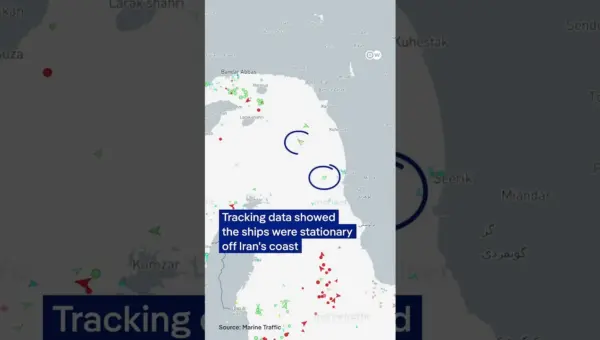
Iranian soldiers have seized two container ships in the Strait of Hormuz, a vital global shipping lane. Footage aired by state television shows the military operation amid heightened regional tensions. The incident raises concerns about maritime security and potential disruptions to international trade and energy supplies.

GOP Pushes to Fund ICE, Border Patrol Amidst Global Tensions
Congressional Republicans are working to pass a reconciliation bill to fund ICE and Border Patrol, facing a May 15th deadline. Congressman Ralph Norman emphasized the urgency and financial cost of delayed funding. The discussion also covered U.S. policy towards Iran and concerns about "birth tourism" loopholes.


American Held in Iran: Hope Fades Amidst Brutal Prison Conditions
American-Iranian citizen Siamak Namazi faces dire conditions in Iran's Evin Prison, with his attorney expressing grave concerns about his health and safety. Communication is severely limited, leaving his family in the dark. Calls are growing for humanitarian intervention and for his release as a goodwill gesture in ongoing U.S.-Iran negotiations.