Trump Kept Out of War Plans Amid U.S. Casualties
Former President Donald Trump was reportedly excluded from critical mission planning related to the Iran conflict due to concerns about his judgment. This decision occurred amidst U.S. casualties, drawing criticism regarding Trump's war prosecution. The exclusion highlights deep-seated concerns among advisors about his strategic decision-making.

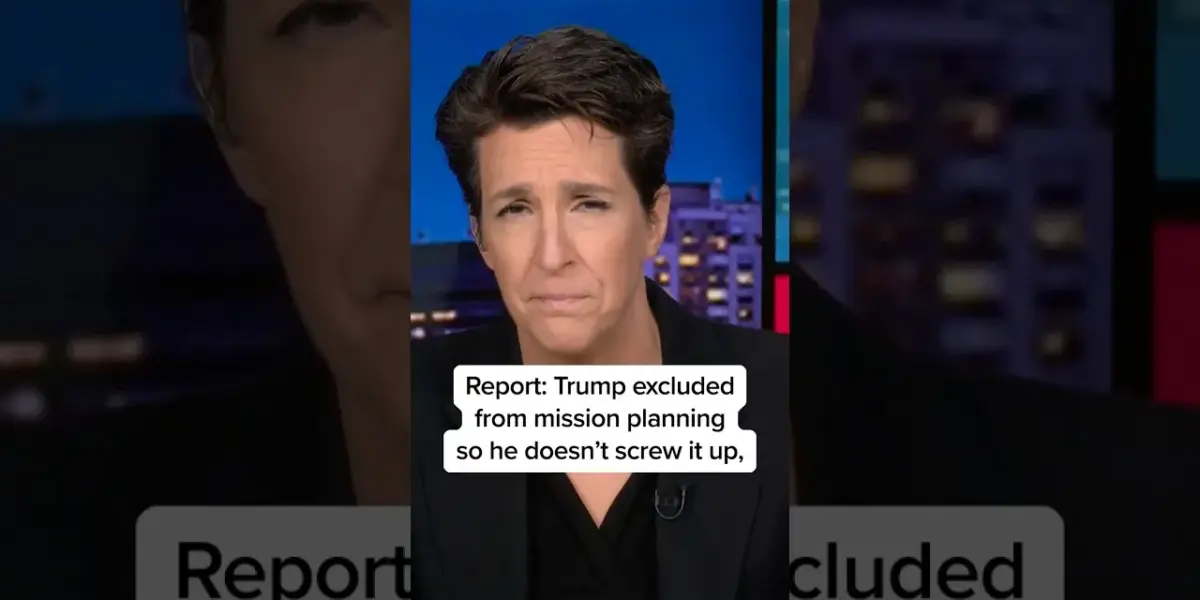
White House Excludes Trump from Mission Planning
A recent report reveals that former President Donald Trump was deliberately excluded from critical mission planning sessions related to the conflict with Iran. This decision was made by top White House officials who believed his involvement would hinder, rather than help, the operations. The move comes as the United States has sustained casualties in its ongoing engagement with Iran.
Sources indicate that national security advisors and military leaders felt Trump’s past actions and decision-making processes posed a risk to mission success. They feared his impulsive nature and tendency to override expert advice could lead to disastrous outcomes. This exclusion highlights a significant level of distrust in Trump’s strategic judgment at the highest levels of government.
U.S. Casualties Mount in Iran Conflict
The exclusion from planning discussions is juxtaposed against the grim reality of U.S. casualties in the conflict with Iran. While the exact number of U.S. service members lost was not detailed in the report, the mention of casualties highlights the seriousness of the situation. These losses represent real human cost to American families and raise questions about the effectiveness of the war strategy.
Rachel Maddow, in her analysis of the situation, contrasted the gravity of these U.S. losses with what she described as Trump’s ineptitude in prosecuting the war. Her commentary suggests a disconnect between the high stakes of the conflict and the perceived competence of the former president’s involvement.
Concerns Over Trump’s Decision-Making
Those who excluded Trump from planning sessions reportedly cited specific instances where his interventions caused problems. They were concerned that his personal biases or political considerations could influence military operations, potentially endangering troops. This concern is not new; during his presidency, there were frequent reports of friction between Trump and his national security team.
For example, Trump was known to question intelligence assessments and sometimes favored unconventional approaches that lacked thorough vetting. This pattern of behavior led many within the administration to believe that direct presidential involvement in operational planning could be counterproductive. The decision to sideline him, therefore, was seen as a necessary measure to protect U.S. interests and personnel.
Broader Implications for National Security
The report’s findings raise broader questions about presidential authority and the role of advisors in national security matters. It suggests a scenario where advisors felt compelled to circumvent the former president to ensure operational integrity. This situation could set a precedent for how future administrations handle potentially disruptive leaders during times of conflict.
The exclusion also points to a potential breakdown in communication and trust between a president and their national security apparatus. Building consensus and ensuring clear command structures are vital for effective military action. When these elements are compromised, the risks to mission success and troop safety increase significantly.
Looking Ahead: Future Conflicts and Leadership
The implications of Trump’s exclusion from war planning will likely continue to be debated. As the U.S. faces ongoing geopolitical challenges, the question of how to best manage presidential involvement in military operations remains critical. Future leaders will need to balance presidential direction with expert military advice to ensure the safety of service members and the success of missions.
The focus now shifts to understanding the long-term consequences of these decisions. The report is a clear reminder of the delicate balance required in national security leadership. The effectiveness of future military endeavors may depend on how well these lessons are applied.
Source: Report: Trump excluded from mission planning so he doesn't screw it up (YouTube)

Related Articles
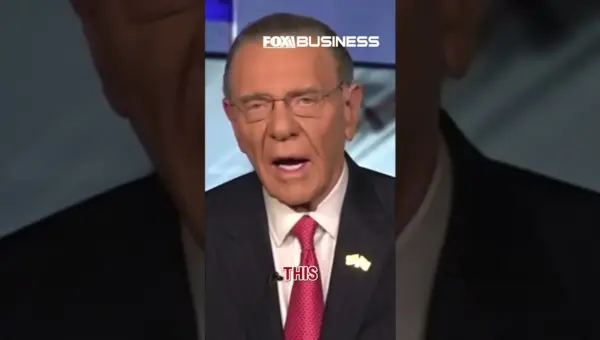
Iran Faces New Miscalculation Risk as US Signals Action
Iran may be poised for another significant miscalculation regarding U.S. resolve, based on past instances of underestimating American action. The situation involves renewed diplomatic talks with potentially unchanged hardline leadership, raising concerns about continued ideological commitment to Iran's objectives.


Wildfires Rage: 12 Million Under Warning as Homes Burn
Wildfires are raging across the U.S., putting 12 million people under Red Flag Warnings as homes burn and evacuations are ordered. Meanwhile, a deadly chemical spill in West Virginia has claimed two lives, and international tensions simmer with ship attacks in the Strait of Hormuz. The nation also faces a potential government bailout for Spirit Airlines and an investigation into the deaths of CIA officers in Mexico.

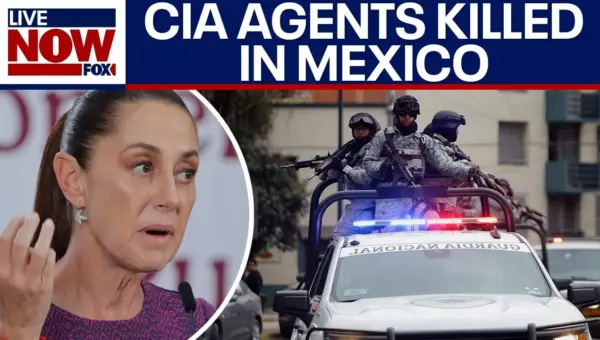
CIA Agents Die in Mexico Crash After Cartel Mission
Two US embassy officials, reportedly working for the CIA, died in a car crash in northern Mexico after a mission to dismantle a drug lab. Mexican President Claudia Sheinbaum has launched an investigation to determine if any national security laws were broken during the operation. The incident highlights the challenges and complexities of US counter-narcotics efforts in Mexico.