Navy Secretary Out as Tensions Flare in Strait of Hormuz
The Secretary of the Navy has been fired as the U.S. Navy enforces a critical blockade in the Strait of Hormuz. This strategic waterway is vital for global oil transit, making the blockade a significant geopolitical development. The leadership change occurs amid heightened regional tensions and raises questions about naval strategy.

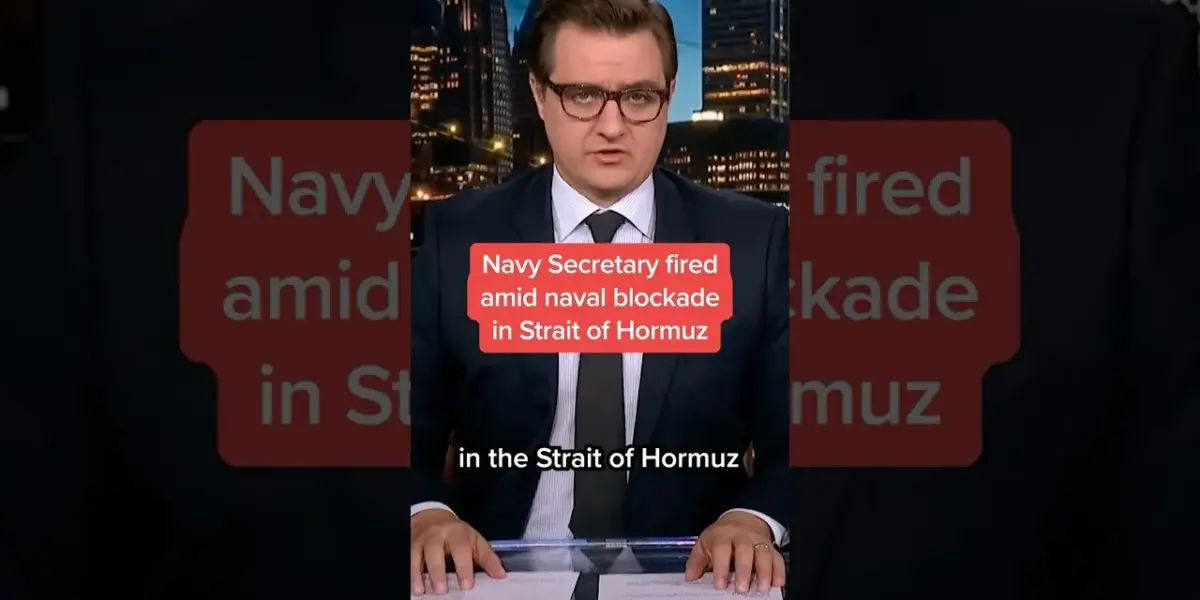
Navy Chief Ousted Amid Critical Strait of Hormuz Operations
Washington D.C. – The Secretary of the Navy has been fired from his post as the U.S. Navy carries out a significant naval blockade in the vital Strait of Hormuz. This abrupt dismissal comes at a time of heightened geopolitical tension in the region, with the blockade itself representing a major escalation of naval activity.
The Strait of Hormuz is a narrow waterway that connects the Persian Gulf to the open ocean. It is one of the world’s most important oil transit points, making any disruption there a matter of global concern. The U.S. Navy’s decision to enforce a blockade in this strategic chokepoint signals a serious development in regional security dynamics.
Why the Blockade Matters
Naval blockades are powerful tools of international policy. They are used to prevent ships from entering or leaving a specific area.
In the context of the Strait of Hormuz, a blockade could severely disrupt global oil supplies. Many countries rely on this route for energy, and its closure would likely lead to significant economic impacts worldwide.
The U.S. Navy’s presence and actions in the Strait of Hormuz are often aimed at ensuring freedom of navigation and deterring potential threats. However, the implementation of a blockade indicates a more forceful approach. This move suggests a response to specific circumstances or perceived provocations that have not been fully detailed.
Leadership Change Amidst Crisis
The timing of the Navy Secretary’s firing is notable. Such a high-level personnel change during an active and critical naval operation raises questions about the reasons behind the decision. While details remain scarce, such dismissals often stem from disagreements over strategy, policy, or operational execution.
Sources indicate that the firing is directly linked to the ongoing situation in the Strait of Hormuz. This suggests a potential disconnect between the ousted secretary and the administration’s directives regarding the naval blockade. The Navy’s top civilian leader is responsible for a wide range of policy matters, including strategic planning and resource allocation.
Regional Implications and Global Impact
The Strait of Hormuz is bordered by Iran on one side and Oman on the other. Iran has historically viewed the strait as a crucial strategic asset and has, at times, threatened to close it. This recent U.S. naval action, coupled with the leadership change, could heighten tensions with Iran and other regional powers.
The global economy is deeply intertwined with the flow of oil through this strait. A prolonged blockade or increased conflict in the area could lead to sharp rises in oil prices.
This would affect everything from gasoline costs for consumers to the operational expenses of businesses worldwide. International markets would likely react with volatility.
What Comes Next
The U.S. Navy has confirmed the operational status of the blockade and the change in leadership. Further details regarding the specific causes for the dismissal are expected to emerge. The international community will be closely monitoring the situation in the Strait of Hormuz for any signs of de-escalation or further military action.
The focus now shifts to how the U.S. Navy will proceed with its operations and how regional actors will respond. The new leadership within the Navy Department will need to quickly assess the situation and articulate a clear path forward. The stability of global energy markets and regional security hang in the balance.
Source: Navy Secretary fired amid naval blockade in Strait of Hormuz (YouTube)

Related Articles


Iran Faces New Miscalculation Risk as US Signals Action
Iran may be poised for another significant miscalculation regarding U.S. resolve, based on past instances of underestimating American action. The situation involves renewed diplomatic talks with potentially unchanged hardline leadership, raising concerns about continued ideological commitment to Iran's objectives.

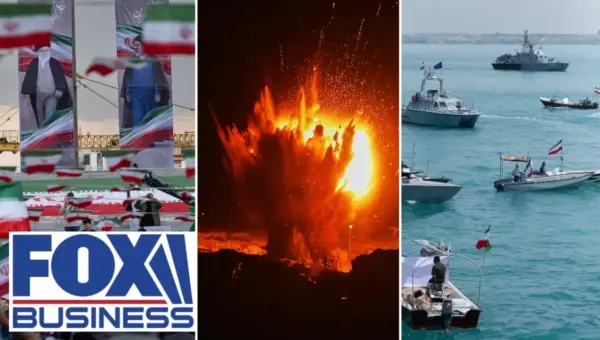
US Sanctions Cripple Iran: Regime on Financial Brink
Intense U.S. economic sanctions have pushed Iran to the brink of financial collapse, crippling its military and weakening its currency. Divisions within the Iranian regime are widening, exposing leadership struggles. This strategy aims to force negotiations or lead to the regime's downfall.
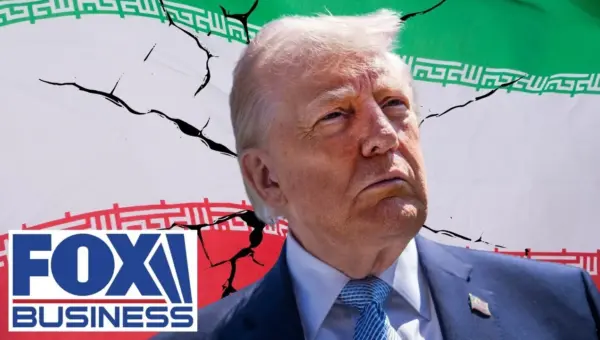
US Strategy: Blockade Iran, Avoid War in Gulf
Admiral Robert Harwood outlines a U.S. strategy focused on economically pressuring Iran to ensure free passage through the Strait of Hormuz. The approach prioritizes avoiding military conflict while addressing Iran's nuclear ambitions and regional threats.