US Strategy: Blockade Iran, Avoid War in Gulf
Admiral Robert Harwood outlines a U.S. strategy focused on economically pressuring Iran to ensure free passage through the Strait of Hormuz. The approach prioritizes avoiding military conflict while addressing Iran's nuclear ambitions and regional threats.

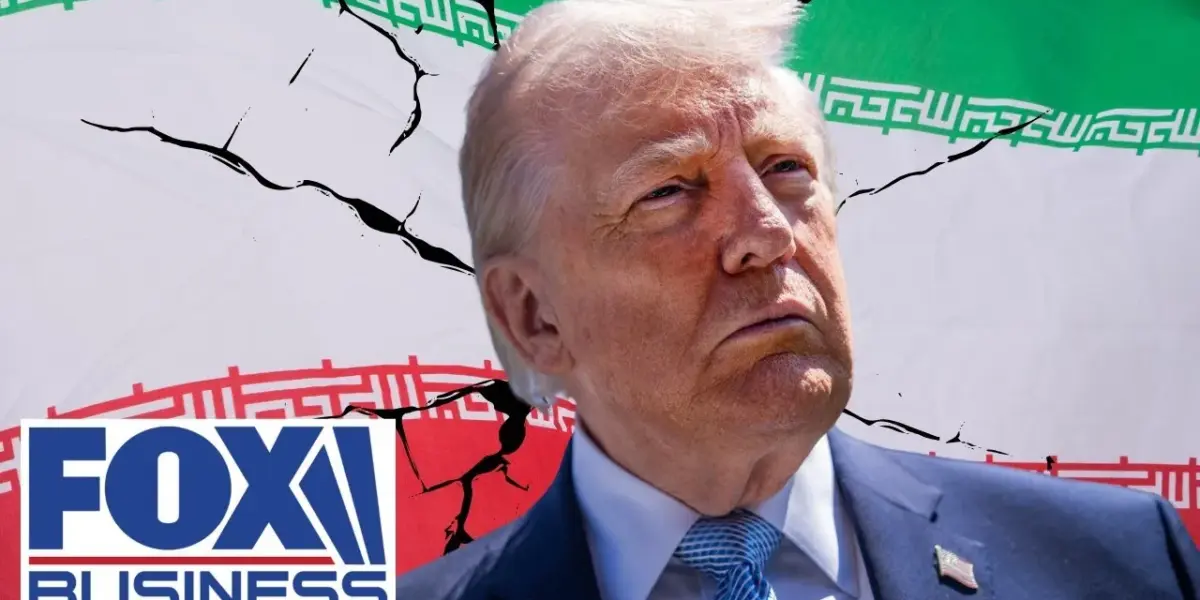
US Strategy: Blockade Iran, Avoid War in Gulf
The United States can effectively control the Persian Gulf, also referred to as the Arabian Gulf, and ensure the free flow of commerce, according to retired Vice Admiral Robert Harwood. He believes the current strategy of economically pressuring Iran, rather than using military force, is a strong approach to prevent the nation from controlling vital waterways like the Strait of Hormuz.
Admiral Harwood explained that the U.S. military has the capability to achieve any set objective. He noted the importance of using the term “Arabian Gulf” due to the larger Arab coastline on the body of water. The primary goal is to prevent Iran from illegally claiming control over the Strait of Hormuz, a critical chokepoint for global oil trade.
Economic Pressure Over Military Action
The current strategy focuses on a non-military approach, essentially blockading Iran’s oil exports. This aims to weaken Iran’s economy, making it difficult for the government to fund its policies and objectives. The success of this strategy hinges on how long Iran can withstand the economic pain.
Admiral Harwood compared this to a “kinetic solution,” such as bombing Iranian oil facilities like Kharg Island. However, he cautioned that such actions would create long-term problems. The current approach signals to Iran the consequences of its actions and forces it to consider capitulation on dictated negotiation terms.
“I think that’s a very strong and sound strategy. The question becomes how long will it take Iran to come to that realization.”
Assessing the Blockade’s Effectiveness
Reports indicate that the naval blockade has already succeeded in turning away ships, with figures around 26 or 27 vessels reportedly affected. This suggests the economic pressure is having an immediate impact. The strategy aims to starve Iran economically, complementing any military actions.
While the blockade appears effective, threats like sea mines and small Iranian motorboats remain concerns. These boats have been known to attack commercial vessels, though not American ones in recent incidents. Admiral Harwood acknowledged these threats but pointed to solutions, drawing parallels to combating piracy off the coast of Somalia.
Addressing Maritime Threats
To counter threats from small boats, ships can be armed with longer-range weapons. This would allow onboard personnel to defend against attacks.
However, the willingness of other nations to participate in such defensive measures is crucial. Their involvement is necessary because the flow of oil through these waters is important to them as well.
The U.S. can implement defensive measures by placing armed personnel on ships. These personnel could be equipped with weapons, potentially even missiles, similar to strategies used against Somali pirates. These steps can effectively address the threats posed by Iran to commercial shipping lanes.
Long-Term Implications and Nuclear Concerns
Admiral Harwood agrees that Iran is currently struggling economically, a situation expected to worsen. The focus extends beyond the Strait of Hormuz to Iran’s nuclear ambitions. A key objective is ensuring Iran does not pursue nuclear weapons, which would pose a far greater long-term threat.
He emphasized that if Iran were to acquire nuclear weapons, the situation would be far more dire. The U.S. would then face the dilemma of Iran potentially controlling not only the Strait of Hormuz but also the vast oil reserves from the entire region.
This includes oil from Qatar, Bahrain, Kuwait, Saudi Arabia, and the UAE. Therefore, eradicating this threat is a top priority for long-term stability.
Dual Objectives for Regional Security
The strategy has two main objectives: opening the Strait of Hormuz for commerce and preventing Iran from ever obtaining nuclear weapons. These goals are closely linked and are essential for securing the Arabian Gulf, or Persian Gulf, and ensuring regional stability.
Admiral Harwood believes the President’s strategy aligns with these crucial objectives. The focus remains on applying economic pressure and preventing nuclear proliferation. This approach aims to achieve stability without resorting to direct military conflict.
The situation in the Arabian Gulf remains dynamic. Investors and observers will be watching to see how long Iran can withstand the economic sanctions and if diplomatic goals can be achieved without further escalation.
Source: This is a 'strong and sound' strategy: Retired vice admiral (YouTube)

Related Articles
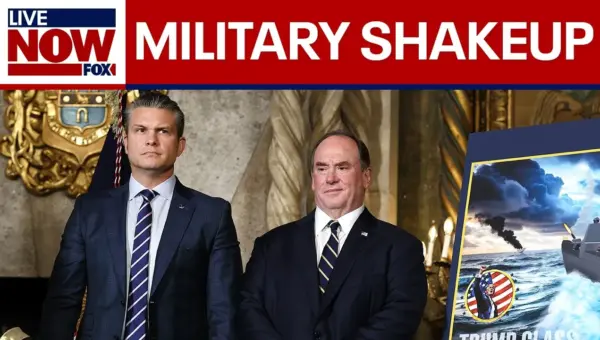
Navy Secretary John Phelan Out Amid Iran Blockade Tensions
Navy Secretary John Phelan has been removed from his position amidst escalating tensions in the Strait of Hormuz, marking the second high-profile military leadership change. Phelan's focus was primarily on administrative reforms, with less direct impact on current naval operations. Meanwhile, Iran has intensified its actions in the strait, seizing vessels, raising questions about its naval capabilities and the safety of maritime traffic.
US-Iran Ceasefire Extension Fuels Tensions Amid Strait of Hormuz Standoff
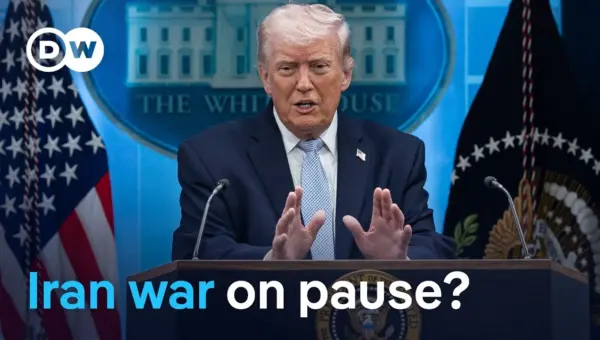
The U.S. has extended a ceasefire with Iran indefinitely, a move met with skepticism by Tehran, which views it as a tactic to prepare for an attack. Tensions remain high in the Strait of Hormuz, with both nations enforcing blockades and seizing vessels. Experts suggest the U.S. decision is driven by domestic pressure, while subtle shifts in positions hint at a potential, albeit private, preference for diplomacy.


Israel Marks 78 Years Amid War, Deep Political Divides
Israel celebrated its 78th Independence Day amidst ongoing wars and deep political divisions. Official ceremonies were marked by somber reflections, while alternative events highlighted concerns over democracy. The nation grapples with unresolved security issues and complex international relations.