Health Chief Dodges Measles Surge Question
The head of the nation's leading health agency faced tough questions about the growing measles surge and the president's awareness of the crisis. During a congressional hearing, the official struggled to provide a direct answer regarding the president's knowledge and their own role in addressing the outbreak. The exchange highlighted concerns about the administration's response to the public health threat.

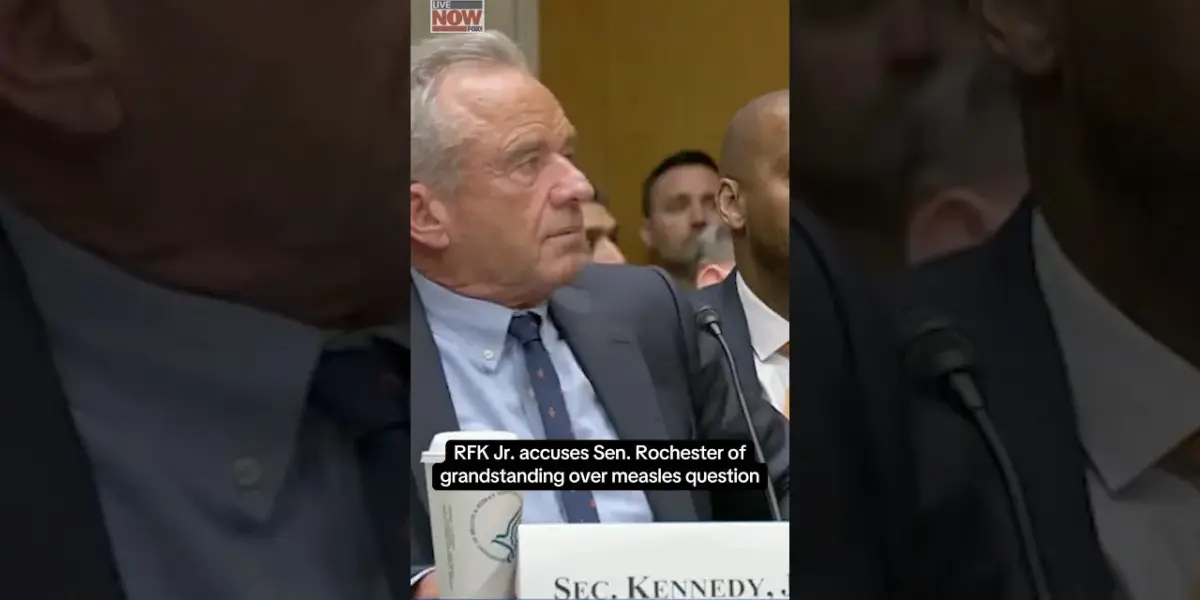
Health Secretary Faces Scrutiny Over Measles Outbreak
During a heated exchange, the head of the nation’s leading health agency was pressed on whether the president is aware of the ongoing, widespread measles surge. The official, who leads the Department of Health and Human Services (HHS), struggled to provide a direct answer to a simple yes or no question about the president’s knowledge of the historic outbreak. The interaction highlighted concerns about the administration’s response to the growing public health crisis.
Measles Surge and Official’s Response
The United States is currently experiencing a significant rise in measles cases, a highly contagious disease that was once nearly eliminated. Health officials have expressed alarm over the increasing number of outbreaks across the country. This surge has led to questions about the effectiveness of public health strategies and the communication from top officials regarding the severity of the situation.
Tense Questioning at Hearing
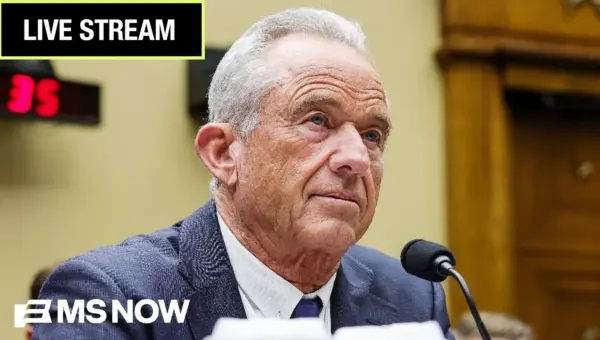
The exchange occurred during a congressional hearing where the HHS secretary was questioned by lawmakers. One representative repeatedly asked if the president knew about the measles surge, seeking a clear confirmation.
The secretary attempted to deflect the question, at one point stating, “I didn’t cause the measles. It started before I came in.” This response was met with frustration from the questioner, who accused the secretary of trying to “grandstand” rather than provide a direct answer.
The representative then pointed out that the president frequently makes public statements about other, less critical matters, such as plans for a new ballroom. The comparison aimed to highlight a perceived lack of urgency from the administration regarding the measles epidemic. The questioner stressed that the president speaks about the ballroom about once every three days, implying a disconnect in priorities.
“You’re going to get your opportunity to grandstand.”
HHS Secretary during questioning
Lack of Data on Presidential Awareness
When asked how many times the president had spoken about the measles epidemic, the HHS secretary admitted that such data is not tracked by the CDC. “I don’t count that.
We don’t keep track of that data at the CDC,” the secretary stated. This admission raised further concerns about the level of attention the measles surge is receiving at the highest levels of government.
Responsibility and Public Health Advice
The questioning continued, focusing on whether the HHS secretary had advised the president to sound an alarm and encourage measles vaccinations. The secretary responded by emphasizing their own job responsibilities, stating, “It’s my job and we do it.
So, yes or no? It’s my job, not the president’s job, and I do my job.” This answer suggested a reluctance to directly confirm whether specific advice had been given to the president about this public health threat.
The representative expressed concern about the secretary’s approach, noting past instances where blame for the measles situation was placed on various groups, including Mennonites and immigrants. The official stated, “I’ve watched a lot of these hearings. You’ve blamed the Mennonites, you’ve blamed immigrants, you’ve blamed the globe.
We’ve been part of the globe. And still, we are in this situation.” This pointed to a pattern of deflecting responsibility rather than taking ownership of the current public health challenge.
No Personal Responsibility Taken
Ultimately, when directly asked if they took any personal responsibility for the current measles epidemic, the HHS secretary reiterated that the outbreak began before they took office. “As I said, the measles epidemic began before I came into office,” they stated. The questioner interpreted this as a clear refusal to accept accountability, stating, “take that as a no.” This lack of direct responsibility-taking leaves the public with unanswered questions about the path forward.
Looking Ahead
As measles cases continue to rise, the public and health experts will be closely watching for clearer communication and a more defined strategy from the HHS. Future hearings and public statements will likely focus on accountability and the steps being taken to reverse the current trend and protect public health.
Source: RFK Jr. asked about measles (YouTube)

Related Articles
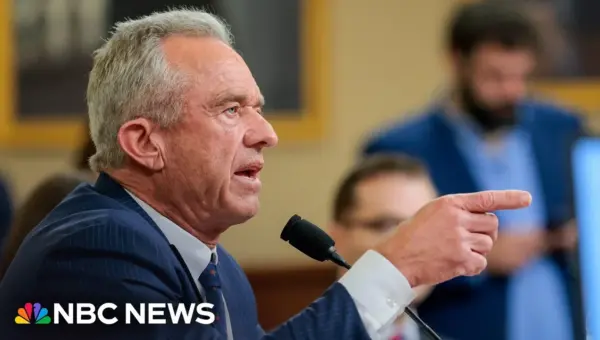
RFK Jr. Faces Scrutiny Over Vaccine Stance Amid Measles Outbreak
HHS Secretary Robert F. Kennedy Jr. faced intense questioning on Capitol Hill regarding vaccine policy amid a significant measles outbreak. He defended his current stance promoting the measles vaccine, despite past skepticism. The hearings also surfaced controversy over the CDC's decision to halt a study showing COVID-19 vaccine effectiveness.

Health Secretary’s Breathing Raises Alarm Bells
The Health Secretary's labored breathing during a recent hearing has sparked public concern and commentary. While the hearing addressed vital nutrition education initiatives, the Secretary's audible breathing drew comparisons to fictional characters and pets, raising questions about health leadership.
RFK Jr. Faces Senate Scrutiny on HHS Policies
Health and Human Services Secretary Robert F. Kennedy Jr. testified before the Senate HELP Committee this week for a crucial budget hearing. This appearance follows multiple testimonies last week, highlighting ongoing congressional oversight of HHS policies. The hearings focus on the department's budget, priorities, and its approach to national health challenges.