Navy Secretary John Phelan Out Amid Iran Blockade Tensions
Navy Secretary John Phelan has been removed from his position amidst escalating tensions in the Strait of Hormuz, marking the second high-profile military leadership change. Phelan's focus was primarily on administrative reforms, with less direct impact on current naval operations. Meanwhile, Iran has intensified its actions in the strait, seizing vessels, raising questions about its naval capabilities and the safety of maritime traffic.

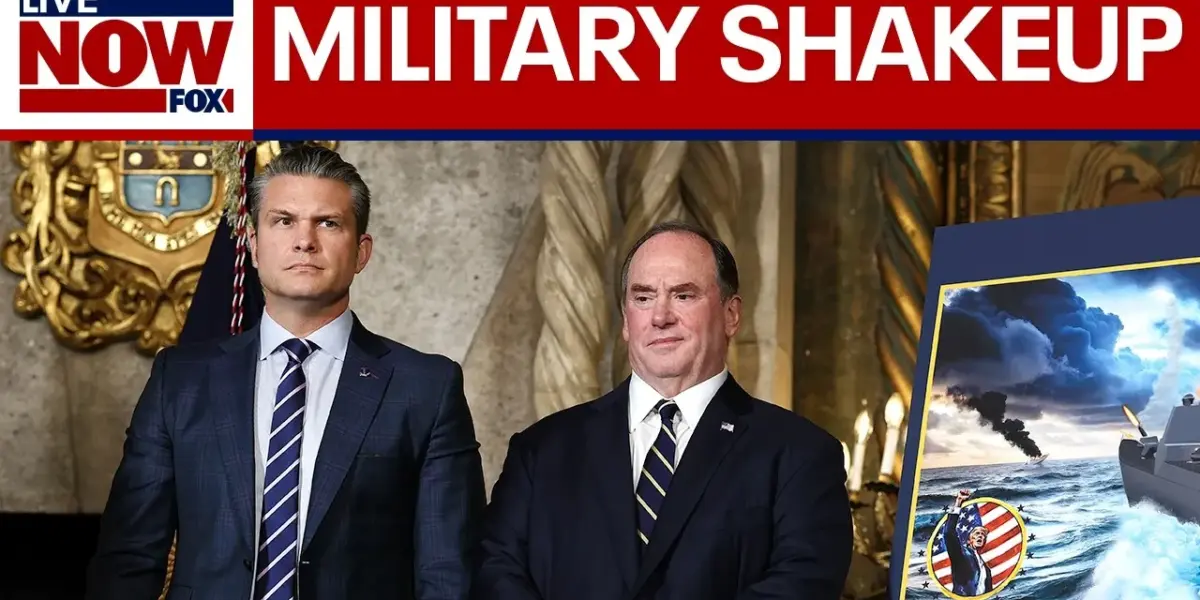
Navy Secretary John Phelan Departs Amidst Heightened Middle East Tensions
In a significant shift within the U.S. military leadership, Secretary of the Navy John Phelan has been removed from his post, effective immediately. The Pentagon announced the departure on social media, with spokesperson Shawn Parnell stating that Deputy Secretary of Defense Gore expressed gratitude for Phelan’s service.
Under Secretary Hunga Cow will serve as the acting Secretary of the Navy. This marks the second major change in military leadership in recent weeks, following the dismissal of Army top officer General Randy George by Defense Secretary Pete Heges.
Phelan’s Focus: Administration Over Operations
While Phelan oversaw the Navy department, his day-to-day focus was largely on administrative matters. He concentrated on reforming how the Navy buys equipment and investing in shipyards to revitalize shipbuilding efforts.
According to Associated Press Pentagon reporter Constantine Turopin, Phelan’s direct impact on current naval operations in the Strait of Hormuz may be limited or delayed. However, his departure raises questions about the future direction of the Navy as a major purchasing organization.
No Public Disagreements with Leadership
Publicly, there were no reported disagreements between Secretary Phelan and President Trump or Defense Secretary Pete Heges. Phelan was known to support initiatives like the unveiling of the Trump-class battleship and the renaming of the supply ship Harvey Milk.
He also participated in reviews of books at the Naval Academy, aligning with directions from Defense Secretary Heges. At least outwardly, Phelan appeared to be a willing participant in the administration’s directives.
Departures Create Instability, Experts Say
The departures of high-ranking officials like Phelan and General George contribute to instability within the Pentagon’s structure. While these individuals are not directly commanding troops in the field, their absence can create a chilling effect on the morale and approach of service members and leaders. This uncertainty, even if not directly linked to specific operations like those in the Strait of Hormuz, broadly impacts the culture within the Pentagon.
Civilian Leadership: Business Background Common
The Secretary of the Navy is a civilian role, and while many predecessors had military backgrounds, Phelan was an exception. He came from a business and money management background, without direct Navy experience.
Historically, these positions have often been filled by wealthy donors, political allies, or individuals with some prior, though sometimes limited, military connection. This trend reflects a broader pattern in political appointments for top civilian roles within military branches.
Iran Tensions Escalate in Strait of Hormuz
The Strait of Hormuz has become a focal point of escalating tensions. Over the weekend, the U.S. seized an Iranian vessel. In response, early Wednesday, Iran fired on three ships in the strait, seizing two of them.
This action intensified an ongoing assault and occurred just days after the U.S. President extended a ceasefire while maintaining a blockade. These events appear to be a tit-for-tat exchange, though they have not yet disrupted ongoing negotiations.
Iran’s Naval Capabilities Questioned
Despite claims from the Trump administration about the destruction of Iran’s navy, recent events suggest otherwise. Iran operates with what could be considered two naval forces: the formal Iranian Navy and the ships owned by the Iranian Revolutionary Guard Corps (IRGC).
U.S. military officials, including General Dan Kaine, have acknowledged that the IRGC’s naval capabilities may not have been as severely impacted as the regular Iranian Navy. This indicates Iran retains significant capacity, particularly with smaller, fast-attack vessels.
Strait Traffic at a Standstill Amidst Mine Threat
Maritime traffic through the Strait of Hormuz is reportedly at a standstill. Observers and intelligence companies monitoring the region indicate that this is due not only to physical blockades but also to high insurance rates and concerns for vessel and crew safety.
The U.S. administration faces the challenge of convincing shipping companies and nations that the strait is navigable and safe. Efforts are underway to clear mines from the strait, though the extent of the minefields remains unclear.
Ongoing Mine Clearance Efforts
The administration has highlighted its efforts to remove mines from the Strait of Hormuz. While officials acknowledge the presence of mines, the exact number and density of the minefields have not been disclosed. The ongoing mine clearance operation is a key development to monitor, as its success or failure could significantly impact maritime traffic and the broader dynamics in the region.
Source: John Phelan out as Navy secretary as Iran blockade continues (YouTube)

Related Articles
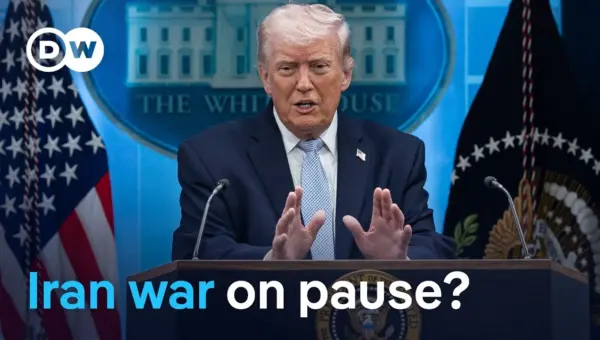
US-Iran Ceasefire Extension Fuels Tensions Amid Strait of Hormuz Standoff
The U.S. has extended a ceasefire with Iran indefinitely, a move met with skepticism by Tehran, which views it as a tactic to prepare for an attack. Tensions remain high in the Strait of Hormuz, with both nations enforcing blockades and seizing vessels. Experts suggest the U.S. decision is driven by domestic pressure, while subtle shifts in positions hint at a potential, albeit private, preference for diplomacy.


Iran Faces Economic Collapse Amid Blockade
The U.S. is applying significant economic pressure on Iran through a sustained blockade, aiming to force a favorable deal. Iran's strategy of delaying negotiations appears to be a miscalculation, as the U.S. signals a readiness to take decisive action if talks falter. The blockade is expected to cause severe economic hardship, potentially leading to internal instability.

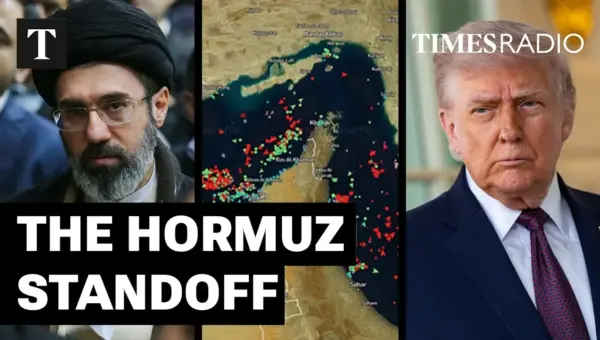
Strait of Hormuz: US and Iran Both Hold Key to Open Waters
The Strait of Hormuz, a vital global oil route, is effectively controlled by both the U.S. and Iran, requiring mutual agreement for open passage. Diplomatic efforts are stalled amidst escalating tensions, with both nations asserting control through actions like blockades and vessel seizures. Experts predict a negotiated resolution within weeks, though ensuring safe passage will remain a challenge.