Warsh Calls for Fed Overhaul, Blasts Inflation Failures
Kevin Warsh, a potential Federal Reserve chairman nominee, is calling for a major overhaul of the central bank's approach to inflation. He argues that policy errors have led to significant price increases and that the Fed's balance sheet expansion has blurred the lines with fiscal policy. Warsh advocates for a return to traditional tools like interest rates to manage the economy.

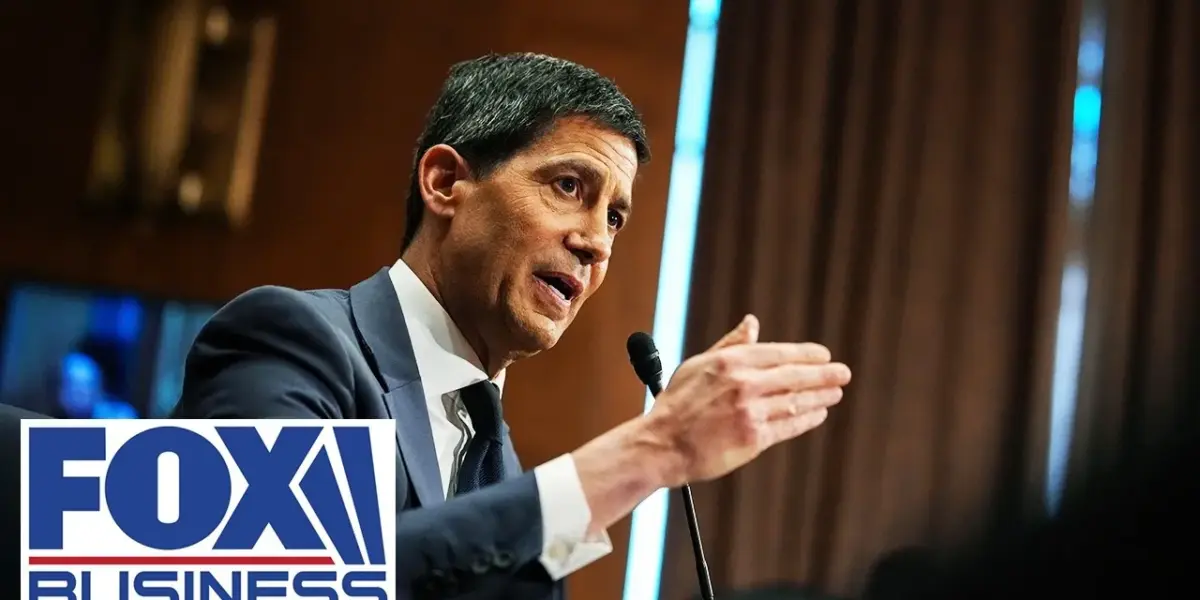
Warsh Demands Federal Reserve Overhaul Amid Inflation Woes
Kevin Warsh, a nominee for Federal Reserve chairman, is calling for a major reset in how Washington handles inflation. He argues the current approach isn’t working and that Americans are paying a high price for policy mistakes. Warsh believes fundamental reforms are needed to fix the economy’s lingering issues.
Warsh pointed to the significant price increases seen after COVID-19, with costs rising 25-35% for most Americans. He stated this clearly shows the Federal Reserve missed its mark.
The legacy of policy errors from 2021 and 2022 is still affecting the economy today. Letting inflation take hold makes it harder and more expensive to bring prices back down, he explained.
Critique of Fed’s Policy and Balance Sheet Expansion
During his testimony, Warsh was praised for his sharp and clear message that the Federal Reserve has gone too far. He stressed the need to rein in its policies.
Warsh also noted that former President Trump never asked him to commit to specific interest rate decisions. While presidents generally favor lower rates, Warsh believes this is a separate issue from the Fed’s core job.
He drew an analogy to how presidents interview judges. A president might have views on issues, but they wouldn’t ask a judge how they’d rule on a specific case.
Similarly, Warsh argued, presidents shouldn’t pressure the Fed on interest rates. The focus should be on a nominee’s character and qualifications, not their willingness to bend to political will.
Concerns Over Inflation Measurement and Fed’s Role
Warsh also raised concerns about the Federal Reserve’s ability to accurately measure inflation. He suggested that even their specialized inflation measures, like trimmed means or medians that remove high and low figures, are flawed. These methods, used by branches like the Cleveland and Dallas Fed, often show lower inflation than the overall Consumer Price Index (CPI) or Personal Consumption Expenditures (PCE) price index.
He questioned the Fed’s involvement in issues beyond monetary policy, like lobbying state legislatures or focusing on Diversity, Equity, and Inclusion (DEI) initiatives. These actions, Warsh implies, distract from the Fed’s primary mission. The Federal Reserve’s role is monetary policy, not fiscal policy, and the lines have become blurred.
The Balance Sheet and Fiscal Policy Entanglement
Warsh emphasized that the Federal Reserve’s massive balance sheet, which grew significantly and has since decreased, puts it in fiscal policy. A balance sheet of around $10 trillion in assets, down from just under $7 trillion now, is far larger than the $400-$600 million seen 15 years ago. He argued this scale of operation amounts to engaging in fiscal policy, potentially breaking the 1951 Fed-Treasury Accord.
This accord historically separated the responsibilities of the Fed and the Treasury. Warsh believes that Fed chairs like Ben Bernanke, Janet Yellen, and Jay Powell have continued a practice of trying to control interest rates through balance sheet actions, which he states is not their mandate. He finds it striking that modern monetary policy discussions rarely mention money supply or the monetary base, crucial elements in traditional monetary economics.
Impact on Wealth and the Path Forward
Warsh pointed out how the Fed’s balance sheet policies tend to benefit those with financial assets, often the wealthy. In contrast, using interest rates as the primary tool can help a broader range of people. He advocates for focusing on interest rates as the main tool to manage the economy and inflation, suggesting this approach can cut through class divides and assist everyone.
Warsh also defended his view that productivity gains from areas like artificial intelligence could eventually lead to lower costs and prices. He believes that by reining in the balance sheet and prioritizing interest rate policy, the Fed can better manage inflation. He also hinted at the need for deregulation to help the economy flourish while restraining the money supply.
Market Impact
Warsh’s strong stance suggests a potential shift in Federal Reserve policy if he were to lead the institution. His focus on traditional monetary tools like interest rates and his critique of balance sheet expansion could signal a move towards less interventionist policies. This could lead to greater market stability but might also require adjustments from sectors that have benefited from the Fed’s accommodative stance.
Investors will be watching closely to see if Warsh’s views gain traction within the Fed or influence future policy decisions. His emphasis on fiscal discipline and clear monetary policy objectives could reshape expectations for inflation control and economic growth in the coming years. The debate over the Fed’s role and tools is likely to intensify.
What Investors Should Know
Warsh’s critique highlights the ongoing debate about the Federal Reserve’s effectiveness and its expanding role in the economy. His call for fundamental reforms suggests that the current policies may not be sustainable long-term. Investors might consider how a Fed focused on traditional monetary policy could impact different asset classes.
The emphasis on interest rates over balance sheet management could mean a more predictable interest rate environment. However, it could also mean less direct support for financial markets during downturns. Warsh’s perspective suggests a return to a more constrained approach to monetary policy, which could have far-reaching implications for borrowing costs, investment strategies, and overall economic growth.
The discussion around the Fed’s balance sheet and its interaction with fiscal policy is crucial for understanding the broader economic picture. Warsh’s arguments suggest that clarity and adherence to established monetary policy principles are essential for long-term economic health.
Source: POWER CLASH: Kevin Warsh pushes back on political pressure narrative (YouTube)

Related Articles


California Homes Lag Demand as Crisis Deepens
California's housing market is struggling with a severe shortage, building far fewer homes than needed to meet demand. Factors like lifestyle changes, high prices, and low mortgage rates for existing owners are worsening the crisis. Experts say thousands more homes are needed annually to make a significant difference.


Iran Attacks Ships, Virginia Redistricting Sparks Political Firestorm
Iran has launched new attacks on ships in the Strait of Hormuz, disrupting peace talks with the U.S. Meanwhile, Virginia voters approved a redistricting plan that could shift the balance of power in Congress. Tense hearings on Capitol Hill saw President Trump's Federal Reserve nominee questioned, and Health Secretary Robert F. Kennedy Jr. faced scrutiny over vaccines.

Warren Pushes Wealth Tax, Profit Sharing for Corporations
Senator Elizabeth Warren is advocating for a wealth tax on billionaires and requiring corporations to share profits with employees. These proposals aim to reshape capitalism by redistributing wealth and ensuring workers benefit more directly from company success.