Fed Nominee Dodges Trump Election Question, Sparks Concern
Kevin Warsh, nominated by former President Trump for the Federal Reserve, has drawn criticism for refusing to state if he believes the 2020 election was legitimate. Critics argue this hesitation raises serious concerns about his judgment and the independence required for a key economic role. His response has cast doubt on his suitability for the central bank's leadership.

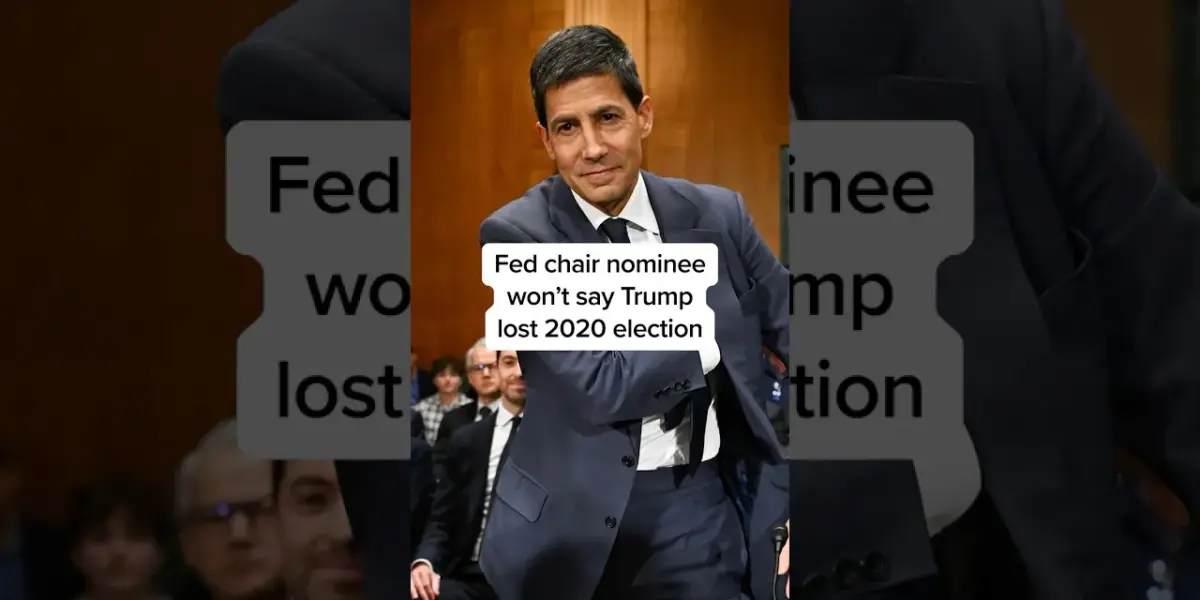
Warsh Silent on 2020 Election Integrity
Kevin Warsh, nominated by former President Donald Trump for a position at the Federal Reserve, refused to state whether he believes the 2020 election was legitimate. This hesitation has raised significant questions about his judgment and suitability for a key economic role. MSNBC host Chris Hayes described Warsh’s response as failing “the simplest test,” highlighting the perceived lack of a clear stance on a fundamental democratic process.
Warsh’s comments came during a period where he was being considered for a leadership role within the U.S. central bank. The Federal Reserve, often called the “Fed,” plays a crucial part in managing the nation’s economy. Its leaders make decisions about interest rates and other financial policies that affect everyone.
Concerns Over Judgment and Independence
The Federal Reserve is expected to remain independent from political influence. Its leaders must be seen as impartial and focused solely on economic stability. By not directly answering a question about the 2020 election’s validity, Warsh has fueled concerns that he might be swayed by political considerations.
This lack of a direct answer is seen by critics as a significant oversight. It suggests a potential unwillingness to confront difficult truths or a desire to avoid alienating any political factions. Such ambiguity is particularly troubling for an institution that requires trust and unwavering focus on its economic mandate.
The Role of the Federal Reserve
The Federal Reserve’s primary goals include maximizing employment, keeping prices stable, and moderating long-term interest rates. These objectives require leaders who can make tough decisions based on data and economic principles, free from partisan pressures. The integrity of the electoral process is a bedrock of democratic society, and a nominee’s stance on it can reflect their broader understanding of institutional norms and responsibilities.
Warsh’s background includes previous service at the Federal Reserve and a role on President Bush’s National Economic Council. However, his recent performance in addressing the election question has overshadowed this experience for many observers. It raises the question of whether he possesses the clear judgment needed for such a critical economic position.
Broader Implications for Trust
The Federal Reserve’s effectiveness relies heavily on public trust. When a nominee for a leadership position appears to equivocate on a matter of democratic integrity, it can erode that trust. This is especially true at a time when economic stability is already a major concern for many Americans.
A central bank leader’s perceived political leanings or their willingness to engage with politically charged issues can impact market confidence. Investors and the public need to believe that the Fed’s decisions are based on sound economic analysis, not political favoritism or personal beliefs. Warsh’s silence on the 2020 election outcome creates a cloud of uncertainty around his ability to uphold the Fed’s essential independence.
What to Watch Next
The confirmation process for any Federal Reserve nominee involves scrutiny of their qualifications, experience, and temperament. Warsh’s nomination will now face further examination in light of his public statements. Future hearings and public appearances will likely focus on clarifying his views on election integrity and his commitment to the Fed’s independent role.
Senators will be looking for clear assurances that Warsh understands the gravity of the Federal Reserve’s mission and can operate without political bias. His ability to articulate a firm commitment to democratic processes and economic stability will be crucial for his confirmation prospects.
Source: Fed chair nominee won't say Trump lost 2020 election (YouTube)

Related Articles
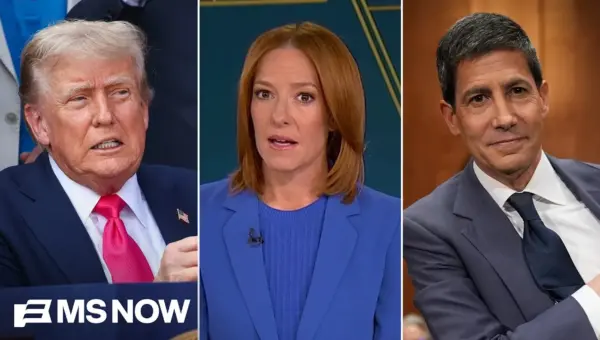
Trump Nominee’s Fed Hearing Reveals ‘Puppet’ Fears
Kevin Warsh, Donald Trump's nominee for Federal Reserve Chair, faced intense scrutiny over his independence during a recent hearing. Senator Elizabeth Warren questioned his ability to resist political pressure, especially after Warsh hesitated to confirm Trump's 2020 election loss. The hearing also touched on broader concerns about financial conflicts of interest and the mysterious dissolution of a Trump-affiliated fund.

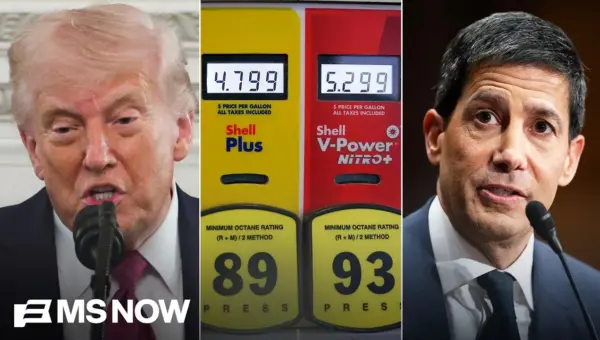
Trump Urges Companies to Skip Tariff Refunds, Sparks Outrage
President Trump's suggestion that companies are "brilliant" for not seeking tariff refunds has sparked controversy. Experts and commentators are raising concerns about corporate governance, shareholder rights, and the potential for a system based on personal favor rather than established law. The situation also highlights broader economic uncertainties and questions surrounding the future leadership of the Federal Reserve.
Trump’s Fed Pick Faces Scrutiny Over Independence
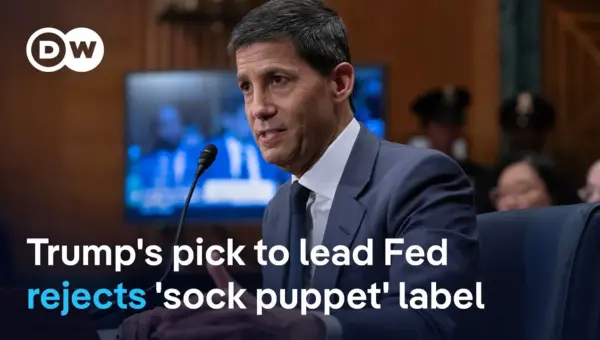
Kevin Warsh, President Trump's nominee for Federal Reserve chair, faced intense questioning about his independence from the White House during his Senate confirmation hearing. While Warsh asserted he would be an independent actor, concerns remain about his close ties to Trump and potential influence on monetary policy. Experts highlight the critical importance of Fed independence for stable economic outcomes, both domestically and globally.