Small Nuclear Reactors Spark Energy Debate Amid Global Instability
Small modular reactors (SMRs) are emerging as a potential solution for reliable, cleaner energy, aiming to overcome the challenges of traditional nuclear power. While promising enhanced safety and flexibility, SMRs face hurdles in cost, deployment timelines, and public perception, especially when compared to rapidly advancing renewables. Global energy instability is fueling interest, but their actual impact remains to be seen.

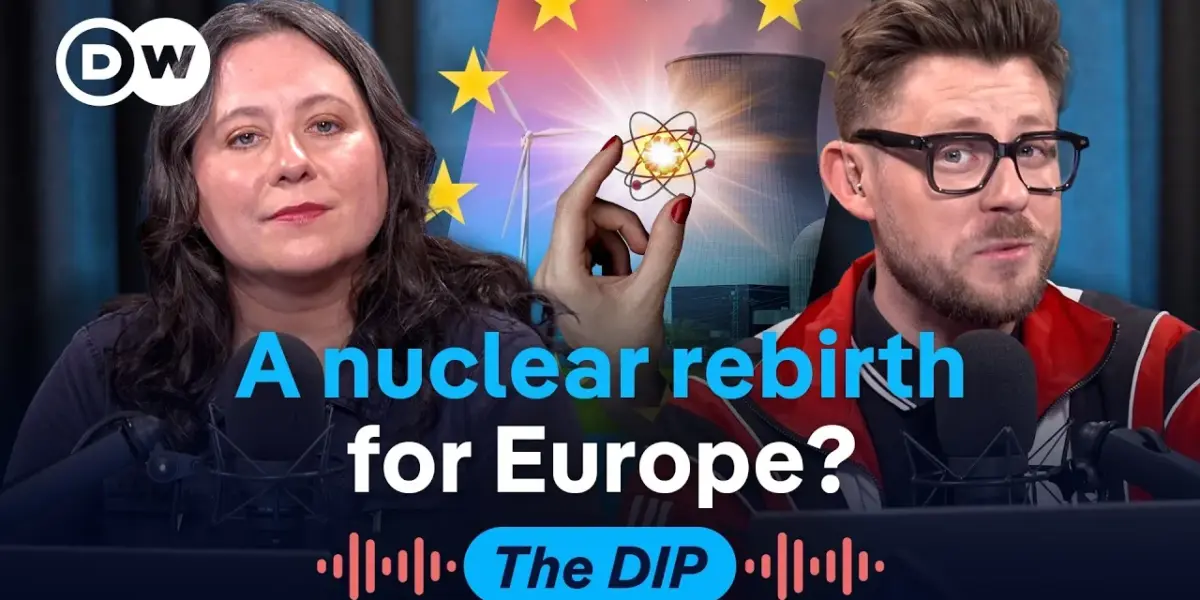
Nuclear Power’s New Look: Small Modular Reactors Emerge
Nuclear energy is experiencing a resurgence in global discussions, driven by the push for reliable power sources and the advent of small modular reactors (SMRs). These new designs aim to overcome the challenges of traditional nuclear power, offering a potentially more flexible and cost-effective solution. However, questions remain about their readiness, cost, and safety compared to existing renewable energy options.
What Are Small Modular Reactors?
Small modular reactors, or SMRs, are a new approach to nuclear power generation. The core idea is to build smaller, standardized reactors in factory settings.
This mass production aims to lower costs through efficiency, unlike the large, custom-built traditional reactors. These SMRs are designed to be significantly smaller than current nuclear power plants, making them potentially easier to deploy.
Global Race and EU Skepticism
While many countries are exploring SMR designs, their actual deployment is still in the early stages. Poland and Romania are considered leaders in the European Union, progressing through regulatory and planning phases, though no reactors are under construction yet.
Sweden also has plans in development. The EU hopes to have the first SMRs operational by the early 2030s, with a target of 2035.
The current global crises, including the war in Ukraine and disruptions to energy supply chains, are spurring hopes that these SMR projects could be accelerated. This is especially true for regulatory and licensing processes.
However, the history of nuclear construction shows frequent delays, sometimes by decades. Since SMRs are first-of-a-kind technologies, unforeseen issues, both good and bad, are expected during their development and construction.
SMRs vs. Renewables: A Systemic View
Renewable energy sources like wind and solar are often highlighted for their low cost and ease of installation, especially when paired with battery storage. These technologies can provide power when the sun shines or the wind blows.
However, nuclear power’s main advantage is its ability to provide consistent, 24/7 energy, often referred to as baseload power. This steady output can be crucial for grid stability.
While battery prices are falling, some experts argue that incorporating nuclear power can actually lower overall energy system costs. As renewable energy penetration increases, the need for reliable, dispatchable power sources becomes more critical. The argument is that nuclear and renewables have complementary strengths, and an ideal energy mix might include both.
Addressing Safety and Waste Concerns
A significant concern with traditional nuclear reactors has always been safety and waste management. SMR designs are incorporating advanced safety features, often called passive safety systems.
These systems are designed to prevent meltdowns through inherent design principles, rather than relying on active mechanical or electrical systems. The goal is to make severe accidents virtually impossible.
Regarding nuclear waste, while some SMR designs use different fuels or processes, they are still expected to produce highly radioactive waste. The management and disposal of this waste remain a challenge.
However, proponents argue that the radioactive waste from nuclear power is contained and monitored, unlike the widespread pollution from fossil fuels that causes millions of deaths globally and contributes to climate change. SMRs, being smaller, contain less nuclear fuel, which is seen as a safety advantage over larger traditional reactors.
Geopolitics and Energy Security
Global instability, particularly the disruptions to natural gas supplies in Europe, has highlighted the need for energy security. Russia’s invasion of Ukraine and issues with liquefied natural gas (LNG) supplies have pushed European nations to seek alternatives to imported fossil fuels. Nuclear power, including SMRs, is being considered as a way to replace natural gas power plants and complement renewable energy sources.
The idea of widespread SMRs, perhaps one in many towns, is also being discussed as a way to decentralize power generation and reduce reliance on single, large facilities or vulnerable pipelines. This distributed model could offer greater energy independence.
However, concerns exist about the potential for a single country to dominate the manufacturing of SMR components, creating new dependencies. The economics of building many small, single reactors versus a few large ones needs further examination.
The Road Ahead for SMRs
The development of SMRs is still in its early phases, with many different designs being explored. It is unlikely that all proposed SMRs will reach commercial success; only a few are expected to make it to market. While projections for the first operational SMRs in the US have been repeatedly pushed back, some believe that once the initial units are built and proven, a faster rollout could occur due to a steep learning curve.
The ultimate success of SMRs will depend on their ability to prove their safety, manage waste effectively, and become economically competitive. The coming years will be crucial in determining if these advanced nuclear technologies can indeed play a significant role in the global energy transition, especially in the face of ongoing geopolitical challenges and climate change concerns. The first operational SMRs are anticipated by the early 2030s.
Source: Small Modular Reactors: Is nuclear power making a comeback amid war? | The Dip Podcast (YouTube)

Related Articles


Trump Halts Iran Talks, Extends Ceasefire Amid Nuclear Standoff
President Trump has extended a ceasefire as crucial nuclear talks with Iran have collapsed, with Vice President Vance returning to the White House after Iran refused to attend negotiations. The U.S. cited Iran's refusal to commit to talks and its recent aggressive actions, including firing on an oil tanker, as reasons for the breakdown. Despite economic pressure, Iran's military capabilities remain significant.


Bitcoin Eyes $85K Amidst Conflicting Ceasefire News
Bitcoin is testing key resistance levels, potentially aiming for $85,000 amidst conflicting geopolitical news. Analysts are watching energy markets and historical cycles for clues, while warning of potential bull traps due to low volume and bearish divergences. The market remains at a critical decision point.


Iran’s Regime Plans to Fight to the Bitter End
Iran's regime is preparing for a prolonged fight, believing it holds a strong hand despite military setbacks. Colonel Wes Martin explains that the regime prioritizes its survival over its people's well-being and shows no intention of complying with international agreements. True change, he suggests, may only come from supporting the Iranian people's uprisings.