Fed Nominee Falters Under Pressure in Senate Hearing
Kevin Worsh, Donald Trump's nominee for the Federal Reserve, faced intense scrutiny during his Senate confirmation hearing. Questions about his independence, past statements, and undisclosed assets revealed a stark contrast with current Fed Chair Jay Powell, raising concerns about political influence over monetary policy.

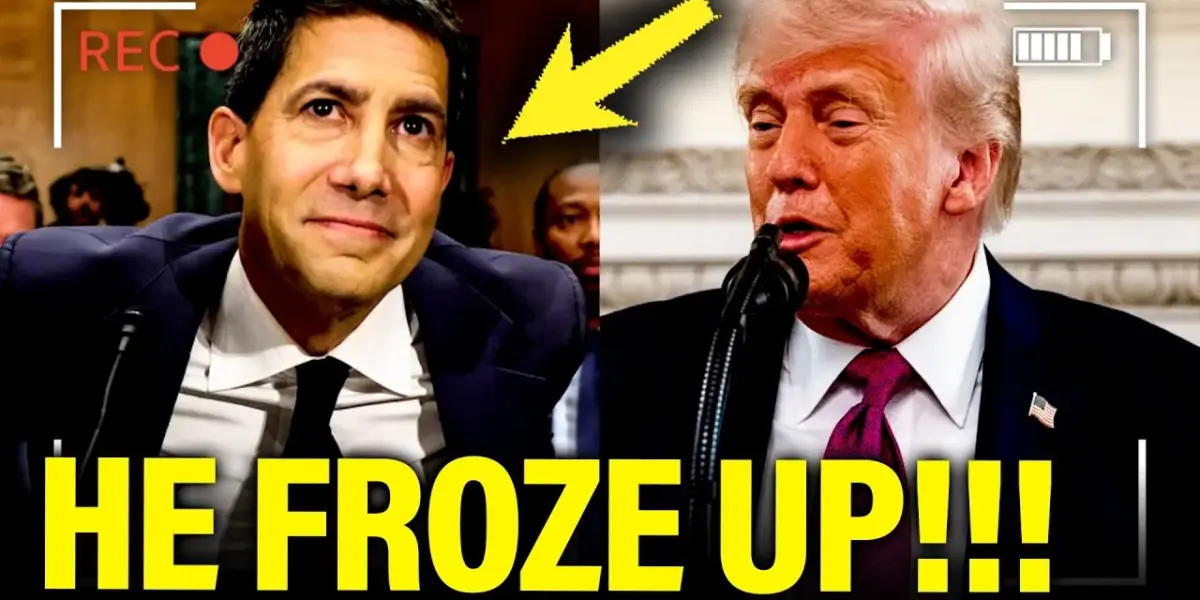
Fed Nominee Falters Under Pressure in Senate Hearing
During a recent Senate confirmation hearing, Donald Trump’s nominee for the Federal Reserve, Kevin Worsh, faced tough questions that highlighted a stark difference in approach compared to current Fed Chair Jay Powell. The hearing put Worsh’s independence and willingness to stand up to political pressure under intense scrutiny.
Worsh’s Stumbles on Election Question
A key moment in the hearing involved a direct question about whether Donald Trump lost the 2020 election. Worsh struggled to give a clear ‘yes’ or ‘no’ answer, instead trying to deflect by stating his desire to keep politics out of the Federal Reserve. This response was seen by some as a lack of straightforwardness when asked a factual question designed to test his independence.
In contrast, Jay Powell, the current Fed Chair, has consistently focused on economic data and the Fed’s mandate, avoiding direct engagement with political matters. This distinction was emphasized by those questioning Worsh, suggesting Powell’s approach is more aligned with the non-partisan nature of the central bank.
Concerns Over Political Influence
The hearing also touched upon President Trump’s past actions regarding the Federal Reserve. Trump had previously suggested that interest rates would drop once his chosen nominee, Kevin Worsh, was in place. This statement raised concerns that Worsh might prioritize political desires over economic conditions.
Further questions arose about Worsh’s potential involvement in or knowledge of actions taken against Fed Governor Lisa Cook. Trump’s administration had attempted to fire Cook, an action that Supreme Court Justice Brett Kavanaugh had warned could weaken the Fed’s independence. Worsh’s response, citing the ongoing legal nature of the case, did not offer a clear commitment to defending Cook’s tenure, unlike Powell’s past support.
“The point of independence is not to protect policy makers or anything like that. It just is that every advanced economy democracy in the world has come around to this common practice.” – Jay Powell
Ethical Questions and Undisclosed Assets
Senator Elizabeth Warren pressed Worsh on ethical concerns, specifically regarding over $100 million in undisclosed assets. Warren questioned if these investments included companies affiliated with President Trump, companies involved in money laundering, or financing vehicles linked to Jeffrey Epstein. Worsh stated his agreement to sell all financial assets if confirmed, but his reluctance to provide direct answers fueled further skepticism.
The discussion highlighted the importance of credibility for the Federal Reserve. Scandals or perceived conflicts of interest can damage public trust, making it harder for the central bank to effectively carry out its duties. Powell’s own experience, facing threats of criminal indictment related to building renovations, was presented as an example of a leader standing firm for the Fed’s independence against political pressure.
The Role of Senator Tom Tillis
A significant hurdle for Worsh’s confirmation emerged from Senator Tom Tillis. Tillis stated he would not vote to confirm Worsh unless a criminal case against Jay Powell, related to building cost overruns, was dropped. Tillis argued that the investigation was politically motivated and hindering the confirmation process.
This stance put Worsh’s nomination in a precarious position. With a narrow majority in the Senate, Tillis’s vote is crucial. His demand to end the investigation, rather than directly blaming President Trump, indicated a focus on resolving the procedural blockage.
Historical Context and Future Outlook
The Federal Reserve has historically operated with a degree of independence from direct political control. This independence is seen as vital for making monetary policy decisions based on economic factors rather than short-term political gains. Past actions, such as the attempts to pressure Jay Powell, illustrate the ongoing tension between political influence and the Fed’s mandate.
If confirmed, Worsh would join a Federal Reserve Board that operates by majority vote. Currently, the board has a Democratic majority, which would likely continue even with a Republican appointee like Worsh. This structure suggests that controlling interest rates would remain challenging for any single president, including Donald Trump, without broader consensus among the committee members.
The situation mirrors broader efforts to influence long-term institutional control, similar to attempts to shape the Supreme Court. The upcoming weeks will be critical in determining whether Worsh’s nomination proceeds and what conditions might be met to secure the necessary votes for confirmation.
Why This Matters
The independence of the Federal Reserve is a cornerstone of a stable economy. When the Fed can set interest rates and manage monetary policy based on economic data, it helps control inflation and promote employment without political interference. A nominee who appears swayed by political pressure or unwilling to answer direct questions about their independence raises concerns about the future stability and credibility of this crucial institution.
The hearing demonstrated the checks and balances within the U.S. system. Senators used their oversight role to question a nominee’s fitness, and individual senators like Tom Tillis can significantly impact the outcome. The outcome of this confirmation process will influence the direction of monetary policy and the public’s trust in the Federal Reserve’s ability to act in the nation’s best interest.
The debate over Worsh’s nomination highlights a fundamental question: What kind of leadership is needed at the Federal Reserve? Is it someone who can navigate political pressures while maintaining independence, or someone who seems to prioritize appeasing political figures? The answer has real-world consequences for every American’s financial well-being.
Source: Trump Nominee LEFT SPEECHLESS on Live TV in BRUTAL MOMENT (YouTube)

Related Articles
Fed Nominee Faces Heat; Tariffs and FBI Probe Fuel Debate
Kevin Warsh's nomination to the Federal Reserve faces scrutiny over independence, while debates rage over tariff refunds and alleged FBI overreach in Operation Arctic Frost. These issues highlight tensions between political influence and institutional integrity.
Fed Nominee Warsh Promises Policy Overhaul
Federal Reserve nominee Kevin Warsh signaled a desire for a less interventionist central bank during his Senate testimony. He advocated for reducing the Fed's balance sheet and focusing on core monetary policy, suggesting a potential shift in economic strategy. Warsh aims to bring a "fresh air" approach to the Federal Reserve.

Fed Nominee Rejects CBDC; Military Calls Bitcoin Strategic
Potential Fed Chair Kevin Worsh rejected the concept of a U.S. central bank digital currency, while military officials testified to Bitcoin's national security value. Meanwhile, Arbitrum froze $71 million in Ethereum following a DeFi exploit, sparking decentralization debates.