US Readies Military Might for Iran; Fed Nominee Faces Scrutiny
President Trump signals readiness to bomb Iran if deal talks fail, amidst naval blockades and potential Chinese involvement. Meanwhile, Federal Reserve nominee Kevin Warsh faces a key Senate hearing, discussing economic policy and independence. The military also shifts its vaccine policy, and investigations into Medicare fraud and the Southern Poverty Law Center continue.

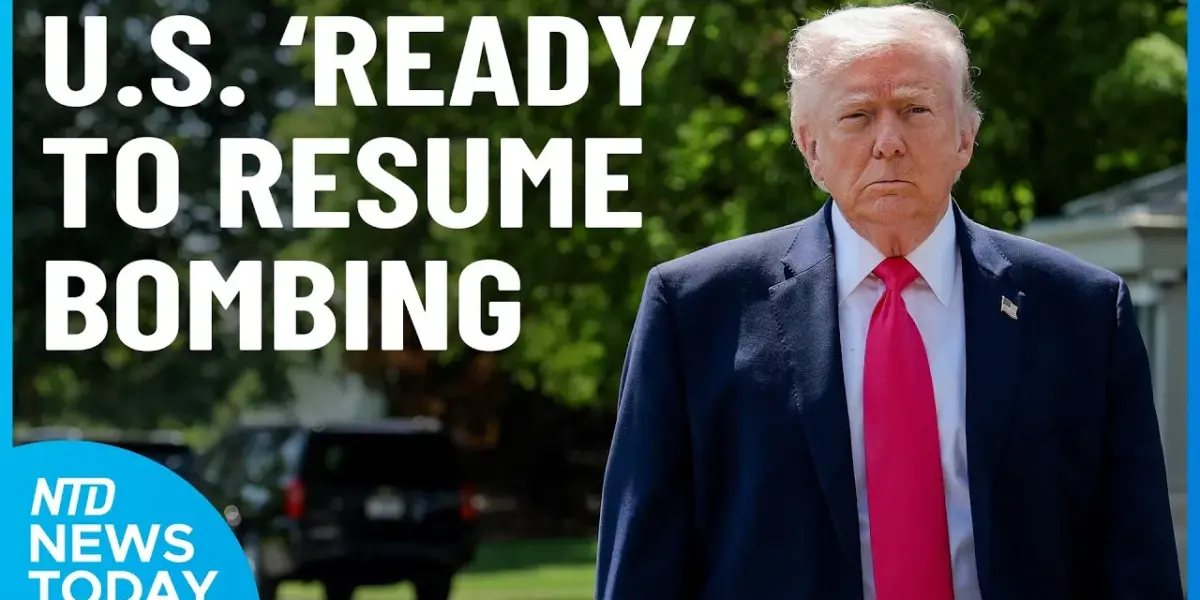
US Signals Readiness for Military Action Against Iran Amidst Deal Talks
President Trump has declared the United States is prepared to use military force against Iran if a deal is not reached before a crucial ceasefire deadline. This strong stance comes as negotiations are underway, with Vice President Mike Pence set to engage in further talks. The President expressed confidence in securing a positive outcome but stressed the nation’s readiness for decisive action should talks falter.
“I expect to be bombing because I think that’s a better attitude to go in with, but we’re ready to go. I mean, the military is raring to go,” Trump stated, highlighting the high stakes of the impending deadline. He also accused Iran of violating the ceasefire and called for the release of eight Iranian women facing execution, suggesting this would be a constructive first step in negotiations.
Tensions Escalate with Naval Blockade and Chinese Involvement
The situation has been further complicated by an ongoing U.S. naval blockade in the Strait of Hormuz. U.S. forces recently seized an Iranian flag ship that attempted to breach the blockade, an action President Trump linked to China. He suggested the ship’s cargo might have been a “gift from China,” indicating potential Chinese support for Iran’s military activities.
Shipping data confirms the seized vessel traveled from China and was reportedly carrying dual-use items usable by the Iranian military. The Department of Defense also announced the interception of another tanker in the Indo-Pacific, suspected of transporting materials to aid Iran. These actions are part of a U.S. strategy to limit Iran’s revenue and pressure it toward negotiations.
Federal Reserve Nominee Faces Key Senate Hearing
Meanwhile, Kevin Warsh, President Trump’s nominee to lead the Federal Reserve, underwent a critical confirmation hearing. Senators questioned him on his plans to address economic affordability and ensure the Fed’s independence from political influence. Warsh emphasized the need for fundamental policy reforms to combat the rising cost of living, even as inflation rates have eased.
“Hardworking Americans are no doubt feeling it,” Warsh told the committee, suggesting a “regime change in the conduct of policy” and a “different new inflation framework.” He indicated a preference for using the Fed’s interest rate and balance sheet tools more effectively, with a focus on interest rates being a fairer approach.
Warsh’s Stance on Monetary Policy and Economic Outlook
Warsh expressed his belief that interest rates are currently too high and that the Federal Reserve should have begun lowering them sooner. However, he acknowledged that the ongoing conflict in Iran and the resulting rise in oil prices and inflation might delay any immediate rate cuts. He anticipates waiting for oil prices and inflation to stabilize before making a move, possibly by June or July.
Regarding the economy’s future, Warsh sees artificial intelligence as a significant factor. While acknowledging that AI might initially lead to job displacement, he believes it will ultimately boost worker productivity, leading to increased economic output and downward pressure on inflation in the long run. This perspective aligns with historical technological advancements like personal computers.
Challenges to Warsh’s Nomination
Despite Warsh’s qualifications, his nomination faces potential hurdles. Some Republican senators, like Tom Tillis, are concerned about President Trump’s focus on the cost of rebuilding the Federal Reserve building, which has led to accusations of mismanagement against the current Fed chair. If Tillis delays his vote, it could complicate Warsh’s path to confirmation.
An economist and policy analyst, Michael Bustler, believes Warsh will likely be confirmed, despite Democratic senators expressing reservations about potential political pressures on the Fed. Bustler noted that Warsh plans to focus on the Fed’s core goals of price stability and full employment, avoiding political agendas.
Shifting Vaccine Policy in the Military
In a significant policy change, the Department of Defense has announced that annual influenza vaccines will no longer be mandatory for service members. Secretary Pete Buttigieg stated that the previous blanket mandate was overly broad and irrational, restoring personal choice for troops.
“Our new policy is simple. If you, an American warrior entrusted to defend this nation, believe that the flu vaccine is in your best interest, then you are free to take it,” Buttigieg explained. This change follows the earlier removal of mandatory COVID-19 vaccine requirements and aims to rebuild trust within the military, preventing situations where troops felt forced to choose between their conscience and their country.
Medicare Fraud Crackdown and Government Investigations
The U.S. is also intensifying efforts to combat fraud within the Medicare program. Reports indicate a surge in fraudulent hospice facilities, some of which are allegedly non-existent or abandoned. The scale of the problem is immense, with Medicare estimated to lose around $60 billion annually to waste, fraud, and abuse.
A national task force launched by the Trump administration has led to arrests of alleged fraudsters, including licensed medical professionals who are accused of defrauding the nation of approximately $50 million. A new initiative will require all 50 states to revalidate their healthcare providers receiving Medicare benefits to ensure they are legitimate and operational.
Southern Poverty Law Center Under Investigation
The Southern Poverty Law Center (SPLC) has confirmed it is under investigation by the Justice Department. The probe reportedly centers on the organization’s past use of paid informants to infiltrate groups it identifies as extremist. The SPLC stated that these informants were used to monitor threats of violence and that their identities were kept confidential for safety reasons.
Founded in 1971, the SPLC initially focused on civil litigation against white supremacist groups. However, critics, including many Republicans, argue that the organization has become overly partisan and unfairly targets groups based on their political views, deviating from its original mission.
Concerns Over Transnational Repression and Missing Scientists
In Canada, lawmakers have heard testimony alleging a coordinated campaign by the Chinese Communist Party (CCP) to target the Falun Gong spiritual group worldwide through threats and disinformation. Witnesses described escalating tactics, including bomb threats and violent intimidation, impacting groups like Shen Yun Performing Arts, which has faced performance cancellations due to these threats.
Separately, the House Oversight Committee has launched an investigation into reports of at least 11 scientists with access to sensitive U.S. nuclear or rocket technology who have gone missing or died under mysterious circumstances. If confirmed, this situation could pose a significant threat to national security, prompting inquiries to agencies like the FBI, NASA, and the Department of Energy.
Why This Matters
The confluence of these events highlights significant global and domestic challenges. The escalating tensions with Iran, coupled with the potential nomination of a Fed chair who favors lower interest rates, could impact global markets and U.S. economic policy. The ongoing investigations into organizations like the SPLC and the disturbing reports of missing scientists raise critical questions about national security and the integrity of governmental institutions.
Domestically, the efforts to combat Medicare fraud and the policy shifts within the military reflect ongoing adjustments to protect public funds and ensure the well-being and freedom of service members. These developments highlight the complex interplay between foreign policy, economic stability, and internal governance that will shape the coming months.
Looking Ahead
The coming weeks will be crucial for understanding the trajectory of U.S.-Iran relations, the direction of Federal Reserve policy under a potential new leadership, and the outcomes of various government investigations. The confirmation hearing for Kevin Warsh is a key event to watch for shaping future economic policy, while the situation with Iran remains a volatile factor in international affairs.
The Justice Department’s investigation into the Southern Poverty Law Center and the probe into missing scientists are also significant, potentially revealing deeper issues within law enforcement and national security. The outcome of these investigations could have far-reaching implications for public trust and governmental accountability.
Source: Trump: Ready to Resume Bombing Iran if No Deal; Kevin Warsh Testifies | NTD News Today April 21 (YouTube)

Related Articles
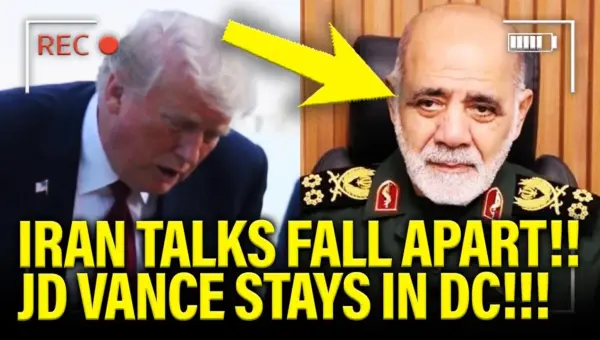
Trump’s Iran Standoff: Talks Collapse Amidst Threats
U.S.-Iran talks have collapsed amid a continued naval blockade, with Iran refusing to negotiate under threat. President Trump expects renewed conflict, while Iran warns of retaliation. Conflicting reports and aggressive rhetoric create a volatile situation with global implications.


Iran Hides Missiles as War Clouds Gather
As a ceasefire nears its end, Iran is reportedly moving its ballistic missiles to hidden locations, signaling potential preparations for renewed conflict. The U.S. military stands ready to resume bombing campaigns if necessary, while diplomatic efforts face uncertainty with Iran's response to peace talks still pending. China's alleged involvement in supplying missile parts adds another layer of complexity to the volatile situation.
Americans Reject Trump’s Iran Stance Swiftly
A new NBC poll reveals that a vast majority of Americans disapprove of Donald Trump's handling of the Iran situation, with opinions forming much faster than during past conflicts. This rapid disapproval, coupled with a lack of clear justification from the administration, highlights a public that is highly engaged and critical of foreign policy decisions.